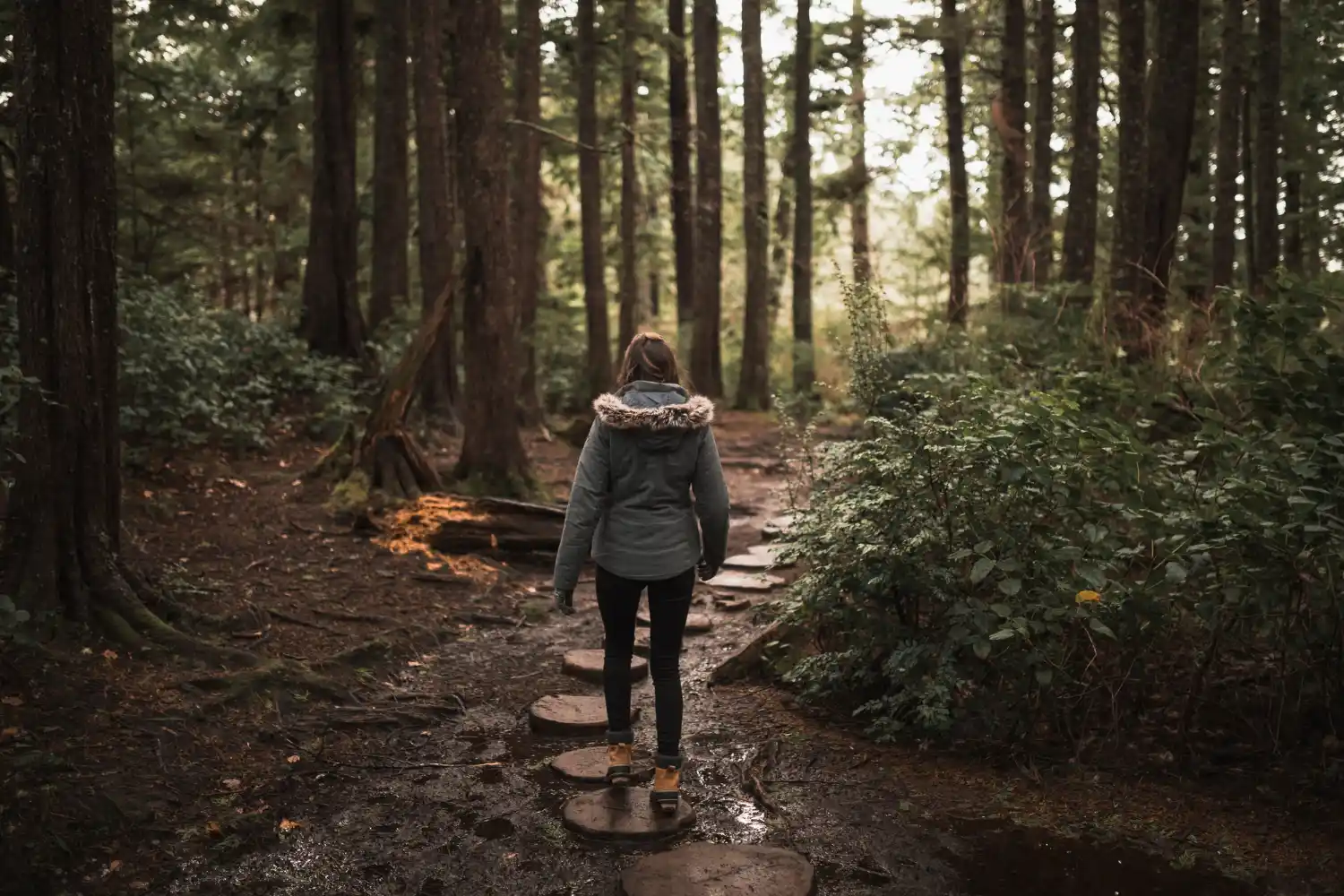
The gentle rustle of ornamental grasses catches the breeze. Sunlight filters through Japanese maple leaves, casting dappled shadows on smooth stones. A small fountain bubbles quietly, its rhythm matching your deepening breath. This sensory symphony forms the backdrop of a meditation garden – a purposeful outdoor space designed to calm the nervous system and invite presence. It offers a personal retreat just steps from your door, a place where you can reset, breathe, and reconnect with yourself and nature.
Planning Your Tranquil Retreat
Whether you dream of a sprawling backyard meditation garden or a compact corner sanctuary, the first step is honestly evaluating your available area. Even tiny spaces can become powerful meditation spots when thoughtfully designed.
For those working with limited room, a small meditation garden might consist of a comfortable seat surrounded by potted plants and a tabletop fountain. Apartment dwellers can transform balconies into miniature sanctuaries using container plantings and wall-mounted features.
Consider these practical factors before selecting plants or features:
- Sun patterns throughout the day
- Existing noise sources (and potential buffers)
- Privacy levels from neighbors or street view
- Natural windbreaks or exposed areas
- Accessibility during different seasons
Setting Clear Intentions
What draws you to create a space for meditation in garden settings? Your specific goals should guide every design decision. Some gardens primarily serve as quiet reading retreats, while others support formal meditation practice or gentle movement like tai chi. Choose a focal point that anchors your practice – perhaps a small statue, distinctive plant, or water feature. This central element gives your eyes a resting place and helps signal the brain that this space serves a specific purpose.
Essential Elements and Sensory Design
Water Features
Nothing soothes the nervous system quite like the sound of water. Even modest fountains create an acoustic curtain that masks background noise while drawing the mind into the present moment. Options range from simple ceramic bowls with miniature pumps to elaborate recirculating streams. The key is selecting water features that match your garden’s scale and require maintenance you can realistically manage.
Plant Selection
Plants form the living heart of your meditation garden ideas. Select varieties that engage multiple senses:
- Scent: Lavender releases calming aromatics when brushed against; rosemary offers refreshing clarity; jasmine provides sweet evening fragrance
- Touch: Lamb’s ear presents soft, velvety leaves; ornamental grasses offer gentle movement; smooth stones provide grounding contact
- Sound: Bamboo creates gentle clicking sounds in the breeze; grasses whisper when touched by the wind; leaves rustle soothingly
Color Palette
Colors affect our psychological state, making thoughtful palette selection crucial. Blues and purples typically create feelings of serenity and depth. Greens connect us with nature’s balancing influence. Soft whites and pale yellows can add brightness without stimulation. Limit bold colors like bright red or orange to small accents, as they tend to energize rather than calm the mind.
Seating Options
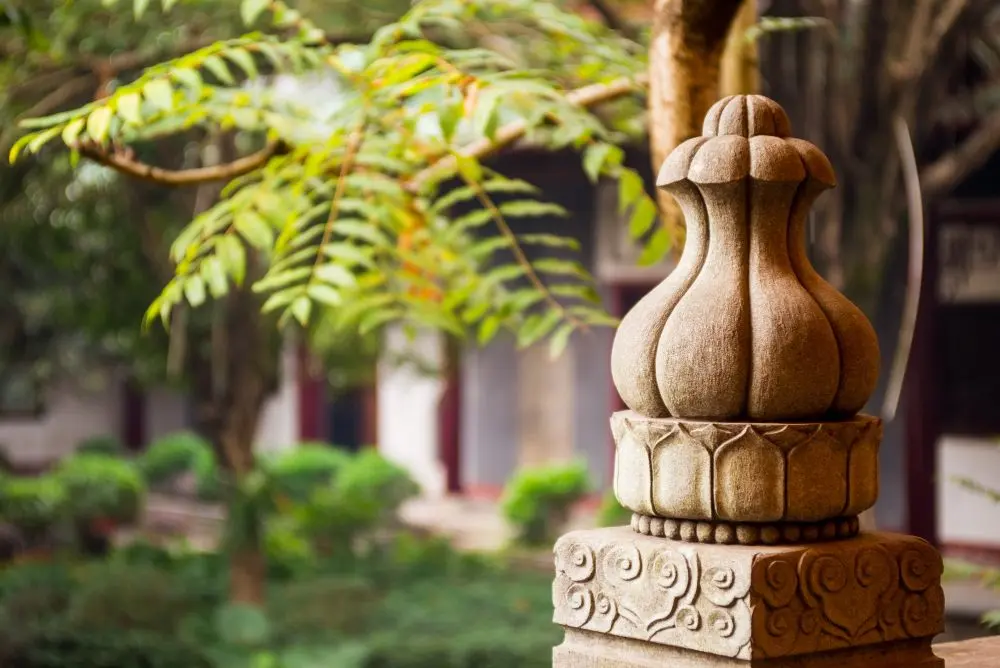
Your meditation seat becomes the human element in this natural composition. Choose options that support good posture without creating discomfort:
- Weather-resistant meditation benches
- Flat boulders or stone slabs
- Simple wooden platforms with cushions (storable in weather-protected containers)
- Hammocks for gentle, suspended relaxation
- The best seating disappears from awareness during practice, supporting your body without calling attention to itself.
Pathways
Paths in meditation spaces serve both practical and symbolic purposes. Practically, they guide movement and protect plants. Symbolically, they represent the journey inward.
Consider creating paths that:
- Encourage slower walking through narrower widths
- Incorporate textural changes to promote awareness
- Lead circuitously rather than directly to seating areas
- Use materials that complement your overall design aesthetic
Sound Elements
Beyond water features, thoughtfully placed elements can enhance your garden’s acoustic environment:
- Wind chimes (select deeper tones rather than high, tinkling sounds)
- Hollow bamboo that creates natural percussion in breezes
- Bells that ring only with intentional touching
- Dense plantings that attract birds with natural songs
Visual Simplicity
A cluttered garden creates a cluttered mind. Practice restraint in your design, allowing for open space between elements. This visual “breathing room” translates to mental spaciousness during practice.
Creating Boundaries and Sacred Space
Privacy Solutions
Physical boundaries serve dual purposes in meditation spaces: they block distractions and create psychological containment that supports turning inward. Natural screens like bamboo, arborvitae, or tall ornamental grasses create living walls that move and change with seasons. Solid elements like wooden fences can be softened with climbing vines or espalier plantings.
For immediate privacy in a small meditation garden, consider:
- Portable trellises with climbing plants
- Large container plantings grouped strategically
- Outdoor screens made from natural materials
- Canvas panels that filter rather than completely block views
Entrance Markers
The transition between everyday space and meditation area deserves special attention. Creating a clear threshold helps the mind shift gears from doing to being.
Simple entrance markers might include:
- An arbor or gate, even if purely symbolic
- A change in the path material
- A pair of potted plants flanking the entrance
- A small bell to ring before entering
Secret Garden Meditation Concepts
The concept of a “secret garden meditation” space draws on the power of enclosure. When we feel safely held within boundaries, the nervous system relaxes its vigilance, allowing deeper states of contemplation.
This doesn’t require complete isolation – even symbolic boundaries can create this effect. A circle of stones, a change in ground material, or a simple ring of plants can define a meditation area within a larger garden.
A family retreat benefits tremendously from incorporating a garden meditation space where all ages can experience quiet connection. Create areas where children can engage in shorter, age-appropriate mindfulness activities alongside adult practice spaces.
Adapting for Small Spaces and Year-Round Enjoyment
Vertical Gardening Techniques
Limited horizontal space calls for creative vertical thinking. Wall-mounted planters, trellises, and hanging gardens maximize growing area while creating immersive green surroundings.
For tiny urban spaces, try these small meditation garden approaches:
- Living walls with built-in irrigation
- Hanging kokedama (moss ball) planters
- Tiered shelving for container arrangements
- Climbing plants on balcony railings or walls
Evergreen Foundation Plants
A meditation garden should offer solace year-round. Incorporate evergreen elements that maintain structure and interest during dormant seasons:
- Compact conifers
- Evergreen groundcovers
- Ornamental grasses that retain form through winter
- Plants with interesting bark or branch patterns
Seasonal Considerations
Different seasons offer unique meditation experiences. Plan for continuous interest while acknowledging the beauty in seasonal changes:
- Spring: Early bloomers like hellebores and snowdrops welcome renewal practices
- Summer: Shade-creating elements protect from heat during peak months
- Fall: Plants with colorful leaf changes support contemplation of impermanence
- Winter: Structural elements and winter-blooming plants maintain garden function
Your garden outdoor meditation space can become a personal day retreat throughout the year when designed with all seasons in mind. This consistent connection with nature’s cycles deepens meditation practice through direct experience of impermanence and renewal.
Maintaining Your Mindful Sanctuary
Low-Maintenance Plant Selection
Garden upkeep should complement rather than compete with meditation time. Choose plants suited to your climate that don’t require constant attention:
- Native species adapted to local conditions
- Drought-tolerant varieties once established
- Slow-growing plants that need minimal pruning
- Self-mulching ground covers that suppress weeds
Simple Routines
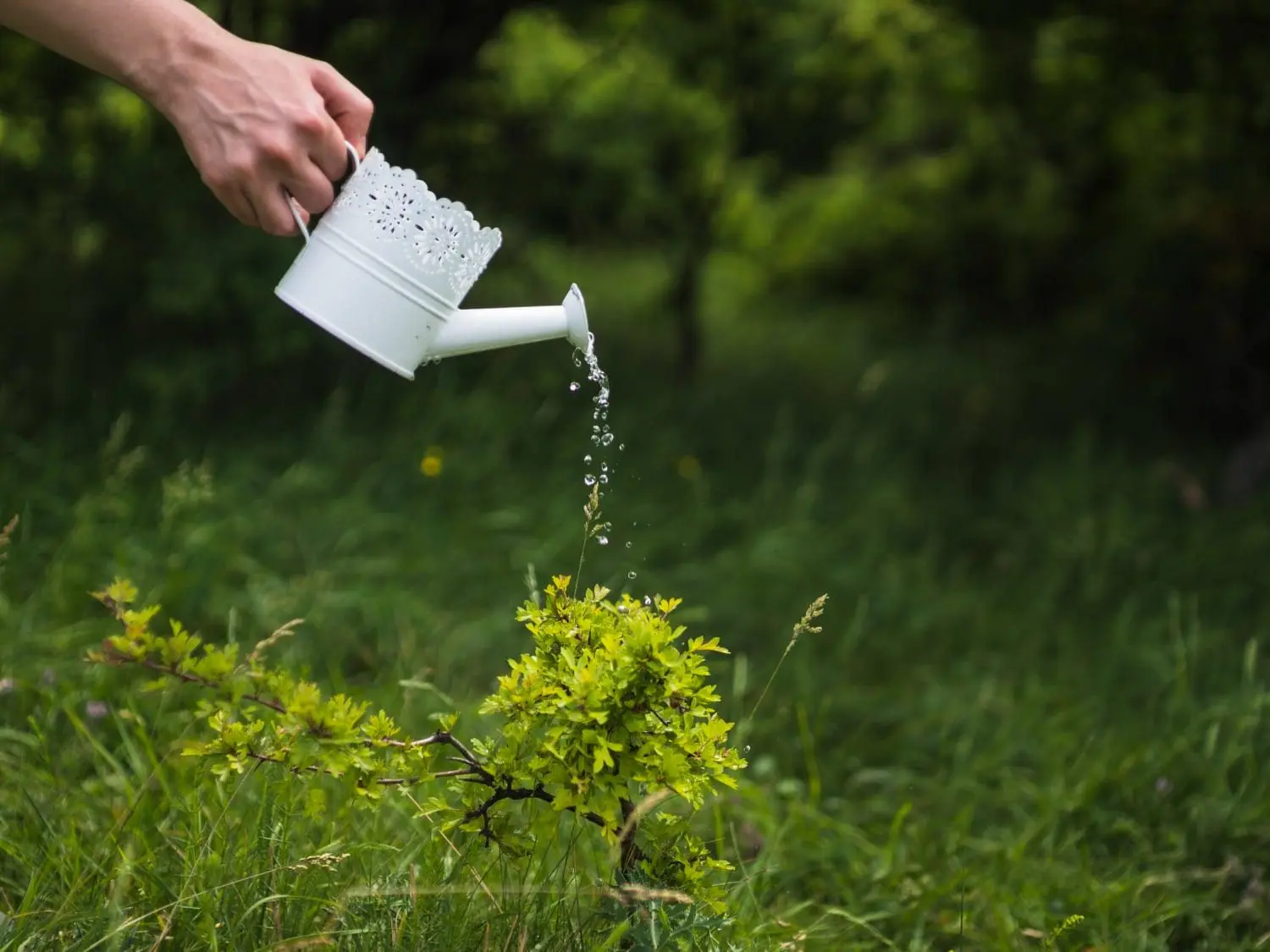
Transform necessary garden tasks into extensions of your practice. Mindful watering, thoughtful pruning, and intentional weeding become opportunities for presence when approached with awareness. Create seasonal maintenance rhythms that prevent overwhelming workloads. Monthly rather than weekly tasks often suffice in well-designed meditation gardens.
Mindful Gardening
The line between meditation and gardening blurs when both are approached mindfully. Allow yourself to fully experience the sensory aspects of garden care:
- The scent of soil after watering
- The texture of leaves between your fingers
- The visual details of new growth or subtle color variations
- The sounds of insects and birds attracted to your plants
Garden care becomes less about achieving perfection and more about participating in an ongoing relationship with living systems.
Your Garden as a Living Meditation
A meditation garden does more than provide a setting for practice – it becomes the practice itself. The act of creating and tending this space teaches patience, acceptance, and the beauty of natural cycles.
Begin simply, perhaps with just a comfortable seat and one plant that speaks to you. Allow your garden to evolve organically as you spend time there, noticing what elements enhance your practice and which might be reconsidered.
The true power of these gardens comes through regular connection. Even short daily visits – a morning meditation, an evening moment of gratitude – build a relationship between you and this living space.
Ready to expand your mindfulness practice beyond your garden? Explore more spiritual practices and retreats with Wheel of Bliss to deepen your meditation journey and connect with like-minded practitioners.