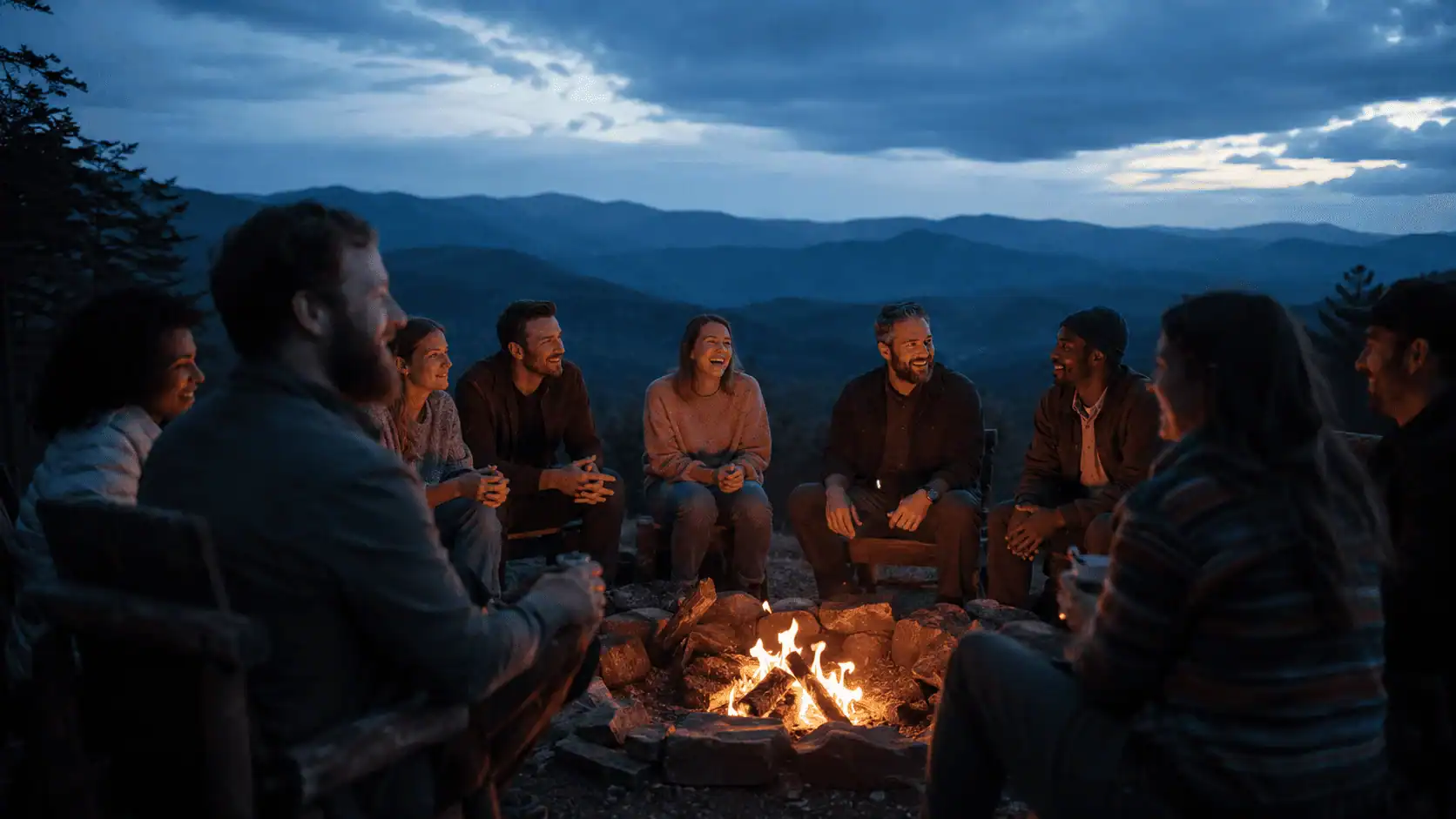
The laughing echoes across a moonlit lake. Stories shared around crackling flames. Simple moments that strengthen lasting bonds. Family retreats offer something deeper than standard vacations – dedicated time to reconnect, reset, and create memories that endure. In this article, we will provide practical steps for crafting a retreat that engages everyone, addresses specific family needs, and builds traditions worth continuing.
Does Your Family Need a Retreat?
A successful family retreat starts with clear intentions. Unlike standard vacations centered around sightseeing or relaxation, retreats focus on connection, growth, and addressing specific family dynamics.
Begin by asking: What does your family need right now? Perhaps it’s healing after challenging times, strengthening bonds weakened by busy schedules, or creating space for difficult conversations. Family healing retreats succeed when they match specific needs with appropriate settings and activities.
Getting everyone involved in planning sets the right tone. Try these approaches:
- Hold a pre-retreat family meeting where each person shares one hope for the experience
- Use anonymous suggestion cards for those hesitant to speak up
- Ask everyone to complete the sentence: “Our family would benefit from more…”
- Create a shared online document where members can add ideas anytime
The answers might surprise you, revealing underlying needs that everyday life masks. Children might crave undivided attention, teens might want to be trusted with responsibilities, and adults might need space for vulnerability.
Consider creating a simple motto or theme that captures your retreat’s purpose. Phrases like “Remember, Reconnect, Renew” or “Our Time, Our Way” can unite the experience and provide focus when making activity choices.
Finding Your Perfect Retreat Spot
Your retreat location should match your family’s personality and goals. The right setting naturally supports your purpose without forcing connections. Consider these factors when evaluating potential locations:
- Distance: Close enough for manageable travel but far enough to create psychological separation from routine
- Accommodations: Space that allows both togetherness and privacy when needed
- Natural elements: Access to outdoor spaces that calm minds and encourage play
- Available activities: Options that match your family’s interests and energy levels
- Seasonal considerations: Weather patterns that support your planned activities
Our mountain retreat offers particular advantages for families seeking deeper connections. The majesty of peaks provides perspective, while mountain air energizes tired minds. Evening stargazing creates natural moments for conversation, and hiking trails allow family members to pair off in different combinations throughout the day.
For families with varied outdoor comfort levels, look for locations with a mix of wild and managed spaces. Some members might thrive on challenging hikes while others prefer gentle paths or indoor observation areas.
Family retreat ideas often center around water. Lakeside cabins provide swimming, fishing, and boating opportunities that naturally bring people together without feeling forced. The repeated motions of paddling a canoe or casting a line create perfect low-pressure moments for meaningful conversations.
When evaluating accommodations, prioritize common spaces. A large kitchen where meals can be prepared together, an ample dining table for extended mealtimes, and comfortable seating arranged for eye contact will foster connection better than luxurious private bedrooms.
Can Everyone Participate in Your Retreat?

The most successful family wellness retreat includes activities that everyone can participate in while accommodating different abilities, interests, and energy levels.
Create a balanced schedule with these categories:
- Active pursuits that engage the body
- Reflective experiences that engage the mind
- Creative projects that engage the imagination
- Service opportunities that engage the heart
- Free time that allows for spontaneous connections
A wellness retreat as a family affair requires particular attention to pacing. Unlike adult-only retreats with back-to-back scheduled activities, family versions need breathing room. Schedule no more than two structured activities daily, leaving ample time for rest, spontaneous play, and processing experiences.
Consider these multi-generational activities:
- Nature scavenger hunts customized for different ability levels
- Family cooking challenges using local ingredients
- Storytelling circles with prompts appropriate for all ages
- Simple team challenges that require cooperation
- Creative projects that contribute to a collective outcome
- Guided mindfulness practices adjusted for different attention spans
Assign activity leadership roles across generations. Perhaps a teenager leads a morning stretching session, a grandparent teaches a skill from their youth, and younger children design an obstacle course. This approach honors each person’s contributions while creating balanced participation.
Pay careful attention to transition times between activities. These often become pressure points during family gatherings. Provide clear information about what’s coming next, what to bring, and how long it will last. Build in buffer time for slower-moving family members.
Can Your Retreat Deepen Conversations?
The distinct value of a family therapy retreat lies in conversations that rarely happen during normal routines. Creating spaces for authentic communication requires thoughtful structure and sensitive facilitation.
Design conversation settings with these elements:
- Physical comfort that allows extended sitting time
- Minimal distractions (visual and auditory)
- Circular arrangements where everyone can see each other
- Neutral territory where no one person “owns” the space
- Optional fidget items for those who think better with movement
For guidance on deep family discussions, the principles of a focus on the family retreat provide valuable structure. These include establishing clear speaking guidelines, practicing active listening skills, and providing prompts that move beyond surface sharing. Try these conversation catalysts:
- Pass around a meaningful family object, with each person sharing a memory tied to it
- Use photo albums as prompts for retelling family stories
- Create personal timelines and identify where they intersect with others
- Share three personal highlights and one challenge from the past year
- Exchange “appreciations” where each person recognizes specific qualities in others
Younger children can participate through drawing prompts like “draw our family doing something fun” or “draw how you’re feeling today,” which often reveal perspectives they cannot verbalize. For families addressing challenging dynamics, consider having a neutral third party lead certain conversations. This might be a trusted family friend with good facilitation skills or even a professional counselor for more serious issues.
Are All Your Details Covered?
Even the most inspiring family retreat vision requires practical underpinnings. Thoughtful logistics prevent the frustrations that can undermine connection.
Three months before:
- Secure location and transportation
- Create a shared planning document
- Assign pre-retreat preparation responsibilities
- Consider any special accommodations needed
One month before:
- Plan meals and create shopping lists
- Outline a loose daily schedule
- Gather any special equipment or supplies
- Send reminders with packing guidance
One week before:
- Check weather forecasts and adjust plans if needed
- Prepare any printed materials or activity supplies
- Confirm all reservations and arrangements
- Have a final planning meeting to address questions
For meals, consider these approaches:
- Each family unit takes responsibility for one dinner
- Pre-prepare and freeze certain meals before departure
- Use meal kit delivery services at your destination
- Create a cooking rotation that includes everyone
Your Bliss Retreat House offers an excellent middle ground between self-catering and full-service options. With well-equipped kitchens and spaces designed for gathering, such facilities reduce logistical burdens while maintaining the intimacy of family-prepared meals.
What Challenges Might You Face?

Every family retreat faces obstacles. Anticipating common challenges allows you to address them before they undermine your experience.
Technology management often becomes a point of tension. Rather than imposing strict bans, consider:
- Designated technology times and spaces
- Photo-sharing sessions where devices are used purposefully
- A community charging station outside bedrooms
- Tech-free meals and activities with clear expectations
For personality differences, create a rhythm that respects various needs:
- Morning quiet time for reflective family members
- Energetic afternoon activities for those needing movement
- Optional activities alongside core gatherings that everyone attends
- Buddy systems that pair complementary personalities
Weather disruptions happen despite careful planning. Prepare by:
- Researching indoor options near your location
- Packing games and activities that work in confined spaces
- Creating a “rainy day” schedule that everyone knows about
- Framing weather changes as adventures rather than disappointments
Conflict inevitably arises during extended family time. Family healing retreats acknowledge this reality and create processes for addressing tensions:
- Establish basic communication guidelines at the start
- Create a simple conflict resolution process appropriate for your family
- Allow for cooling-off periods when emotions run high
- Remember that working through conflict together builds valuable skills
For multi-generational retreats, consider energy management carefully. Older adults might need afternoon rest periods, while young children benefit from consistent bedtimes despite the special occasion.
What’s Next After the Retreat?
The value of a family retreat extends beyond the actual gathering. Thoughtful documentation and follow-through help integrate insights into everyday life.
During the retreat, capture memories through:
- A shared journal where everyone contributes entries
- A designated photographer role that rotates daily
- Voice recordings of meaningful conversations (with permission)
- Physical artifacts created during activities
- Simple surveys capturing highlights and learnings
Create a meaningful closing ceremony that:
- Acknowledges what each person contributed
- Summarizes key insights and moments
- Establishes specific intentions for the return home
- Creates accountability partnerships for continuing growth
The transition back to regular life often proves challenging. A family wellness retreat can address this through:
- Physical reminders placed in your home environment
- Continued practices adapted from retreat activities
- Planning for the next gathering while momentum exists
Consider creating a family retreat box containing meaningful objects, photos, and written reflections. This can be opened during future family gatherings or when the connection needs refreshing.
Building Cherished Family Traditions
Creating a meaningful family retreat requires intention, planning, and flexibility. The effort yields far more than a pleasant break from routine – it builds a foundation for deeper understanding and connection that carries into everyday life. Whether you choose a structured approach addressing specific family dynamics or a more relaxed gathering focused on fun, the time invested pays dividends in strengthened relationships.
Begin with modest expectations for your first retreat. Learn what works for your specific family, adjust accordingly, and allow this practice to evolve into a cherished tradition that family members anticipate throughout the year. The memories and bonds formed during these intentional gatherings often become the moments family members treasure most across their lifetimes.