You cancel plans and feel relief. Then guilt shows up anyway, whispering that something must be wrong with you. Here’s what nobody mentions. Learning how to be happy alone is a skill that changes everything else in your life, and it’s one worth developing.
Key Takeaways
- Loneliness and solitude produce completely different emotional experiences, even though both involve being by yourself
- Your brain needs recovery periods from social interaction to function at its best
- Small daily habits can reshape your entire relationship with alone time
- Meditation works. Studies at UCLA showed measurable drops in loneliness after just eight weeks
- Sometimes you need to physically remove yourself from familiar surroundings to break old patterns
The Emotional Difference Between Being Alone and Feeling Lonely
Here’s what most people get wrong about loneliness vs solitude. They assume the two feel similar. They don’t.
Loneliness is a radio station you can’t turn off. It plays in the background at parties, during phone calls, even when someone sits right next to you. The volume has nothing to do with how many people are around.
Solitude is choosing to sit in silence and finding it peaceful. People who actively seek out solitude report higher creativity, sharper self-awareness, and stronger boundaries in their relationships. They’re not running from connection. They’re building a home base inside themselves.
| Loneliness | Solitude |
| Feels like painful emptiness | Feels like peaceful restoration |
| Can strike in crowded rooms | Requires intentional choice |
| Drains energy over time | Replenishes mental reserves |
| Creates neediness in relationships | Builds genuine independence |
If you’ve felt that ache recently, know this. The feeling is real and it’s hard. You’re not broken for experiencing it. But you can learn to spend time alone without that ache following you.
Why Your Brain Needs Quiet
Ever notice how exhausted you feel after a full day of meetings? That’s not laziness. Your brain processes massive amounts of information during every conversation. Facial expressions. Tone shifts. Body language. All of it drains mental energy faster than you’d think.
Stepping away lets your nervous system reset. Racing thoughts settle. That background hum of anxiety quiets down.
Researchers at the University of Rochester found something striking. People who spent meaningful time alone showed better emotional regulation across the board. They responded to stressors more calmly. Less reactivity.
Creative breakthroughs also tend to happen during quiet moments. Your unconscious mind needs space to connect dots, and it can’t do that work while tracking a conversation about weekend plans.
Learning How to Enjoy Your Own Company

We’ve trained ourselves to avoid silence. The second things get quiet? We reach for the phone. Open Netflix. Call someone. Anything to fill the void.
Breaking this pattern takes intention. Worth it, though.
Start small. Sit with a cup of coffee for fifteen minutes tomorrow morning. No phone. No podcast. Just you and whatever thoughts float through. Notice them. Let them pass. This builds tolerance for stillness, which then opens doors to deeper experiences.
Once quiet stops feeling uncomfortable, explore activities you genuinely enjoy solo.
- Reading books that make you lose track of time
- Cooking elaborate meals just for yourself
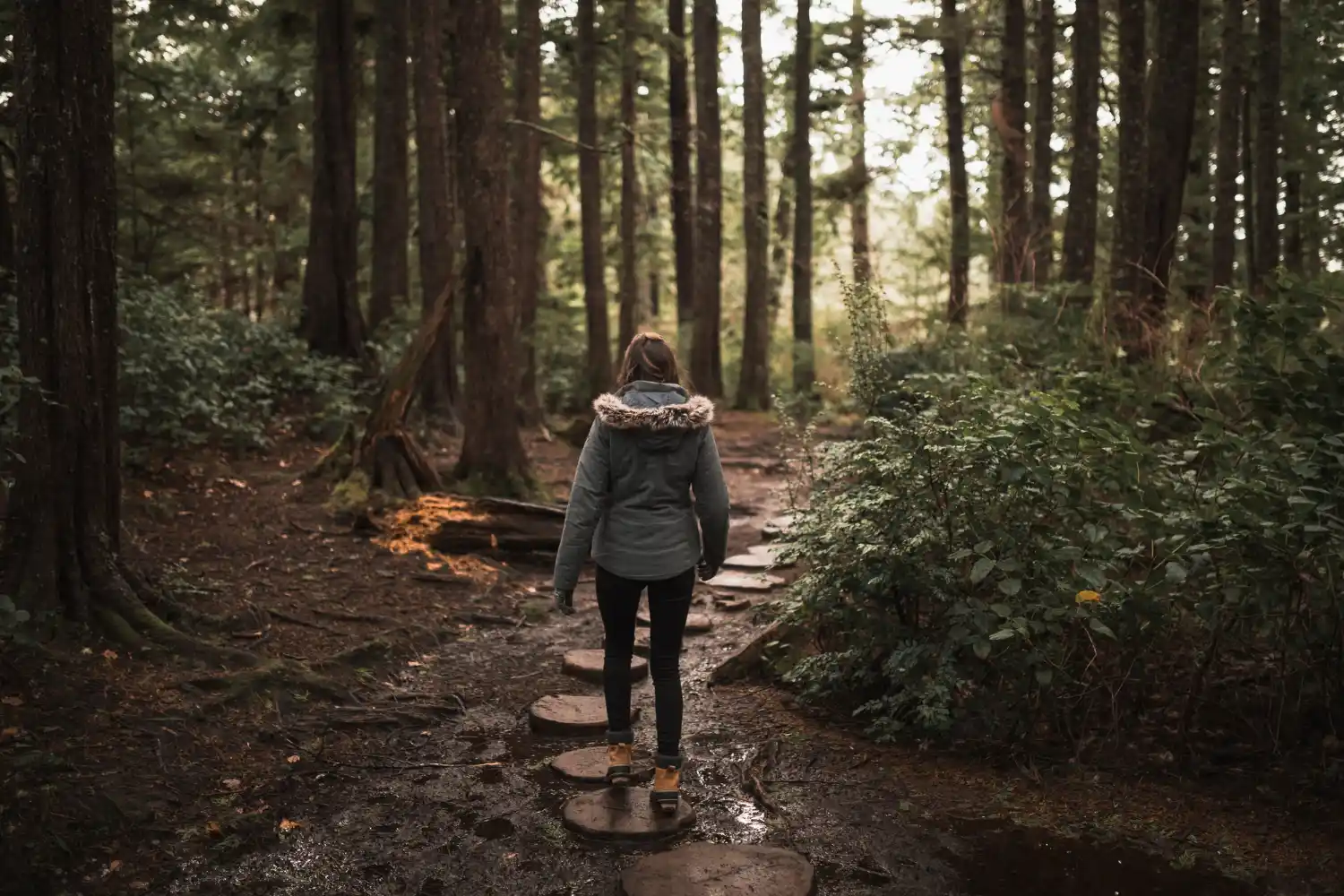
- Walking trails without earbuds or distractions
- Tending plants0 or a small garden
- Sketching, journaling, or working with your hands
- Playing an instrument with no audience
When you discover how to enjoy your own company, these moments stop feeling like waiting rooms between social events. They become destinations.
From there, create rituals that belong only to you. A Sunday morning with nowhere to be. An evening walk through the same neighborhood that reveals different details each time.
Movement and Stillness as Gateways to Self-Connection
Physical practices offer surprisingly powerful entry points into comfortable solitude. Yoga links breath with movement, pulling attention inward. Forty-five minutes on the mat becomes forty-five minutes getting to know yourself.
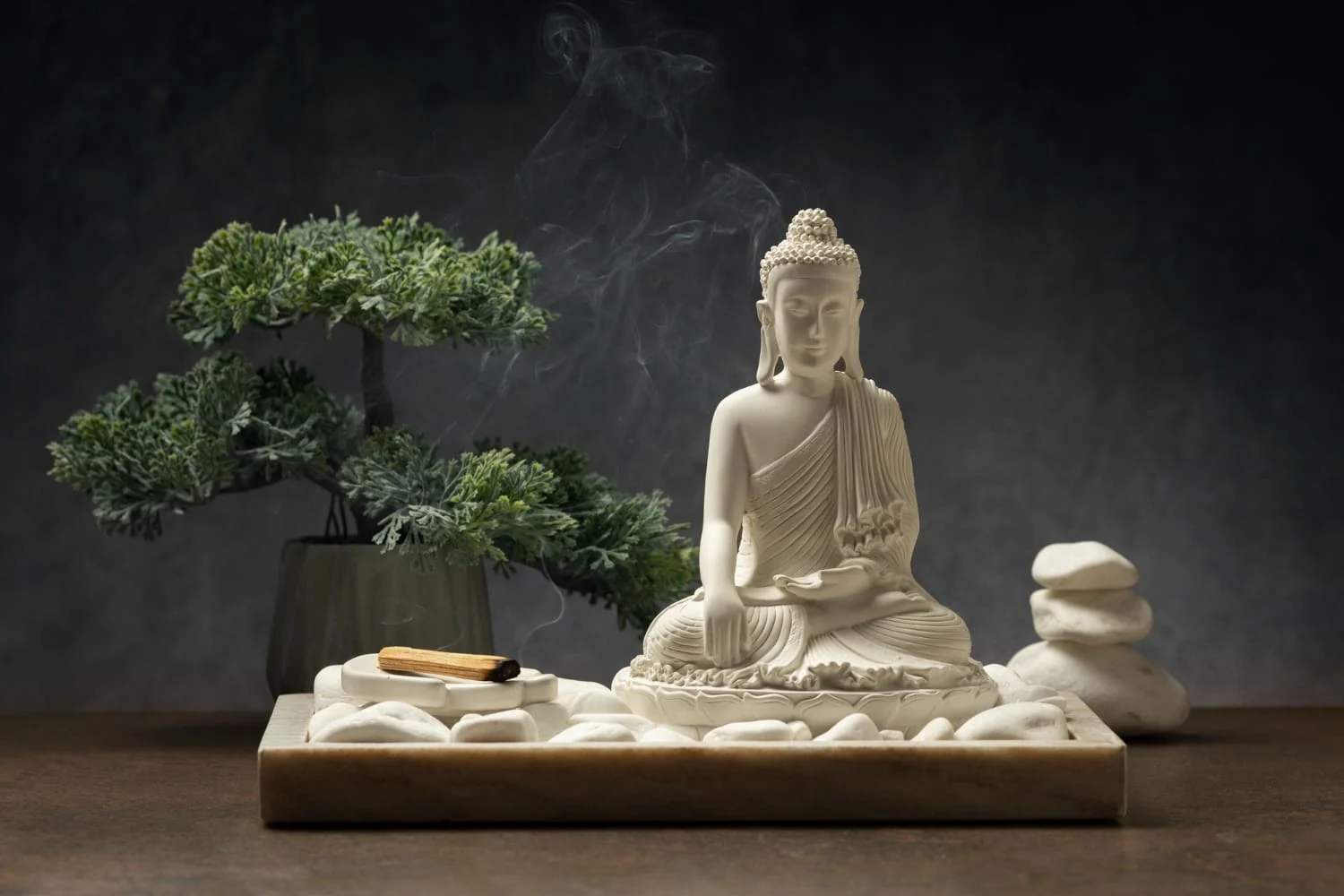
Meditation takes this deeper. Even five minutes of sitting quietly shifts brain chemistry. Regular meditators show increased activity in regions tied to emotional stability and self-awareness.
Here’s what meditation teaches you that nothing else quite does. You learn to observe thoughts without drowning in them. This skill proves invaluable when loneliness surfaces. You notice the feeling without getting consumed by it. Watch it move through. Let it pass without setting up permanent residence in your head.
New to contemplative practices? Guided meditation offers an easier starting point. Audio instructions anchor wandering attention and provide structure during those first awkward attempts at stillness. Learn to begin a simple meditation practice that builds this skill gradually over weeks and months.
Practical Daily Habits That Cultivate Contentment
Becoming happy to be alone doesn’t require overhauling your life. Small consistent actions reshape your emotional baseline over time. These work best when woven into routines you already have.
Morning Pages
Write three pages by hand right after waking. Don’t edit. Don’t censor. Just dump whatever’s in your head onto paper. This clears mental clutter and creates space for self-reflection before anyone else’s demands arrive.
Unplugged Time Outside
Take a walk without earbuds. Birdsong becomes audible. Wind patterns become visible. Your senses sharpen when they’re not competing with a podcast. Try twenty minutes in a park and notice what you observe that you’d normally miss.
Solo Dining Rituals
Cook dinner for yourself with the same care you’d show a guest. Set the table. Use the nice plates. This shifts your internal narrative. You become someone worth taking care of. And honestly? The food tastes better.
Quiet Reflection Notes
Keep a small notebook nearby. Jot down thoughts during quiet moments. After a few weeks, you’ll start recognizing what genuinely matters to you.
When a Change of Scenery Becomes Necessary

Sometimes learning how to be happy alone requires getting out of your usual space. Home carries accumulated habits and associations that make genuine solitude difficult. Same couch. Same distractions. Same patterns running on autopilot.
New settings interrupt all of that. Your brain wakes up to process unfamiliar surroundings, and this heightened awareness creates openings for different ways of being with yourself.
The Wheel of Bliss retreat center in picturesque North Carolina was created just for this. Nestled on 63 acres in the Blue Ridge Mountains, mornings here start with mist rising off the creek and birds you can actually identify by sound. No traffic. No notifications. Just space to remember what your own thoughts sound like when nothing competes for attention. Some guests come for structured retreats. Others simply want quiet days away from ordinary life. Either way, immersive environments like these accelerate the whole process considerably.
The Unexpected Gift of Your Own Presence
People who master being happy to be alone rarely turn into hermits. They become better friends, partners, and colleagues because they no longer need others to fill some emptiness inside. You stop grasping and start choosing.
FAQ
How long until spending time alone feels comfortable?
This varies by person. Many notice shifts after consistent daily practice over several weeks. Start with fifteen to thirty minutes of intentional solitude and build from there.
Can meditation actually help with loneliness?
Research says yes. UCLA researchers found that even brief meditation programs decreased loneliness scores among participants. The practice helps by changing your relationship to difficult emotions, not making them vanish entirely.
What activities work best for enjoying your own company?
Anything requiring focused attention tends to work well. Reading, creative projects, physical movement, cooking, time in nature. Once you understand how to enjoy your own company, the best activity is simply whatever genuinely absorbs you.
Is wanting alone time a sign of depression?
Not on its own. Depression typically involves withdrawal plus loss of pleasure, persistent sadness, and difficulty functioning. Choosing solitude while still enjoying things and maintaining your responsibilities? That's healthy self-care.