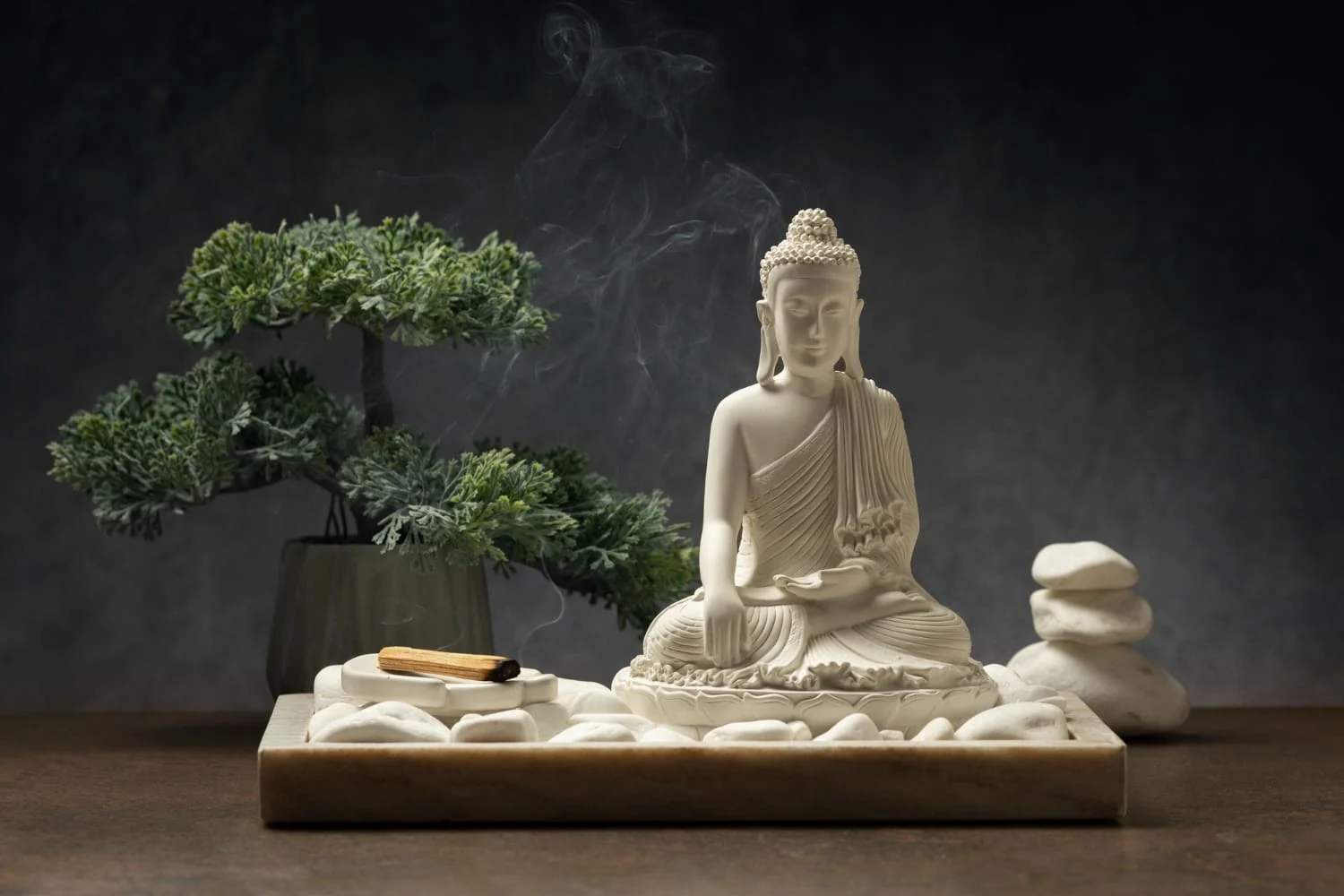
Sit still. Close your eyes. Breathe deeply. That’s what most people picture when they hear the word meditation. But here’s the thing. You don’t have to sit at all. Walking meditation works with your body’s natural desire to move, turning ordinary footsteps into anchors for awareness. For anyone who’s felt restless on a cushion, this practice offers a welcome alternative that’s been calming minds for over 2,500 years.
Key Takeaways
- Mindful walking meditation links your breath, your steps, and your attention into one grounded experience
- Works anywhere, though forest trails and mountain paths tend to amplify the effects
- Just ten minutes a day builds the habit. Longer sessions come naturally once you’re hooked
- Practitioners often notice less anxiety, sharper focus, and a surprising sense of calm after only a few weeks
- The Blue Ridge Mountains near Asheville offer some of the best terrain for combining walking meditation with time outdoors
What Makes Walking Meditation Different
On a meditation cushion, you watch your thoughts float by. With walking meditation, you drop into your body instead. Your heel touches dirt. Weight rolls forward. Toes press down and grip. These sensations demand attention in a way that abstract thoughts simply can’t.
Buddhist monks developed this practice centuries ago. Between long seated sessions, they’d walk slowly through monastery grounds to maintain awareness. The Buddha himself taught mindful walking meditation as one of the four postures fit for practice.
And something curious happens when you slow way down. Colors pop. Sounds sharpen. That constant mental chatter? It fades into background noise. Your nervous system gets the memo that you’re safe. Maybe that’s why so many people who struggle with seated meditation find walking meditation clicks for them right away. The body wants to move. Why fight it?
How to Do Walking Meditation Step by Step
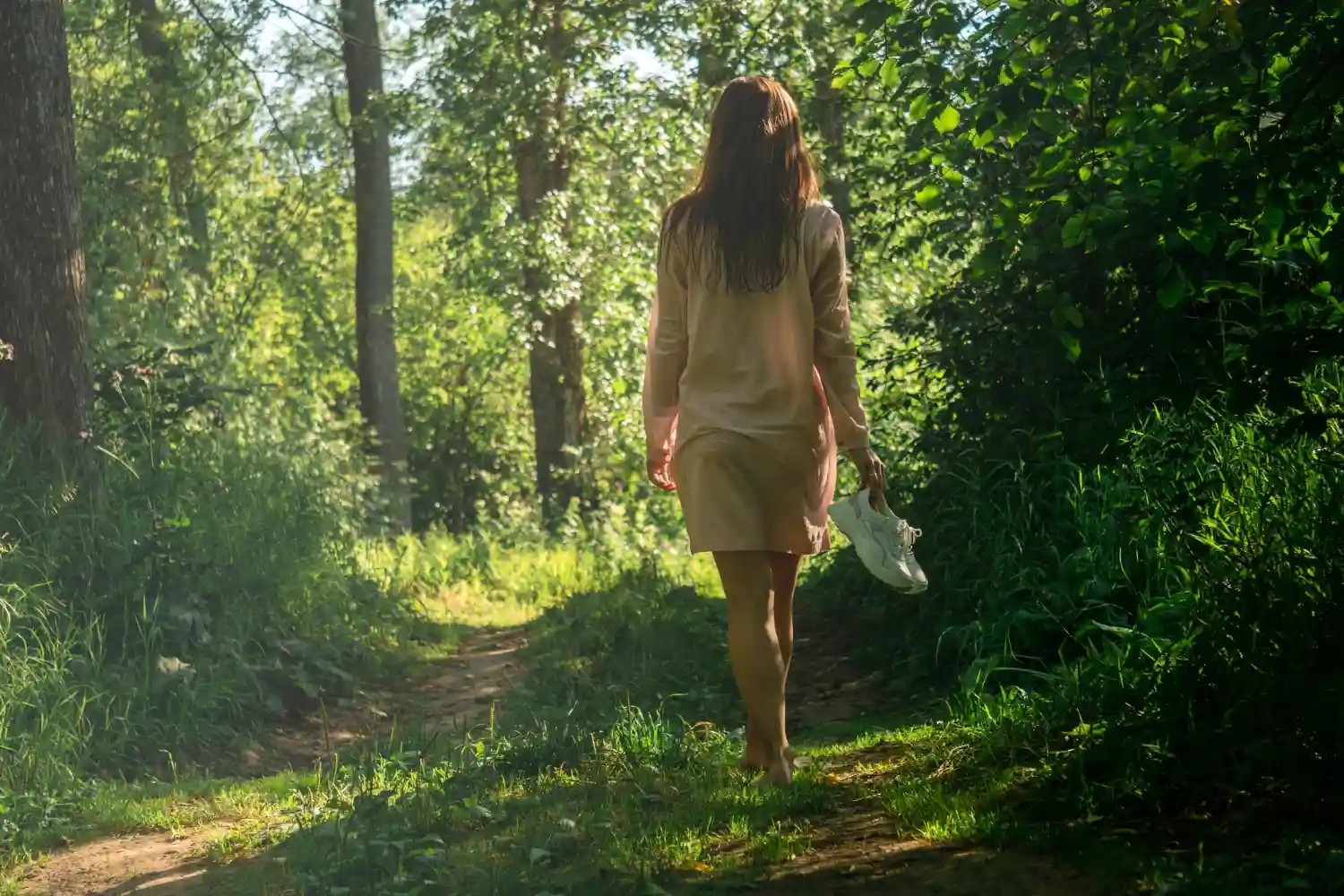
No fancy equipment needed. No apps, no special clothes. Just find a stretch of ground where you can walk slowly without dodging obstacles. A hallway works fine. So does a backyard path. Fifteen to twenty paces gives you enough room.
Before your first step, stand still. Feel where your weight settles between both feet. Notice the ground pushing back against your soles. Take three slow breaths and let your shoulders drop.
Now move. Slowly. Maybe one-third of your normal speed. Lift your right foot and feel the calf muscle engage. Swing the leg forward. Set the heel down first, then roll your weight across the sole until all five toes connect with the earth. Pause there.
Repeat on the other side. Heel lifts. Leg swings. Heel lands. Weight shifts. The rhythm turns meditative through sheer repetition.
Your breath can match your steps if that feels natural. Two steps per inhale, two per exhale. Or three and three. There’s no correct ratio.
Thoughts will interrupt. They always do. When you notice your mind wandering, gently return attention to your feet. No scolding yourself. The practice lives in that return.
How to do walking meditation outdoors follows the same basic steps but opens up more possibilities. Leaves crunching underfoot. A woodpecker drumming overhead. Let these sensations arrive without chasing them. Keep returning to the feet while using everything around you as support.
Walking Meditation Benefits for Body and Mind
Researchers have started catching up to what practitioners figured out long ago. Walking meditation benefits reach into nearly every system your body runs.
A 2014 study in The Journal of Alternative and Complementary Medicine tracked 45 elderly participants through a 12-week Buddhist walking meditation program. Depression scores dropped. Physical fitness improved across strength, flexibility, and balance measures. Blood pressure responds to mindful walking too. Heart rate variability improves, signaling a healthier stress response.
Mental fog clears because your attention stops splitting. When you fully commit to walking, your mind quits bouncing between yesterday’s regrets and next week’s worries. Lots of people report solving sticky problems right after practice, almost by accident.
Sleep gets better for regular practitioners. A nervous system trained to downshift carries that skill into bedtime hours. Emotional steadiness grows over time as well.
Best Trails for Mindful Walking Near Asheville
Mountain terrain amplifies everything about this practice. Forested paths, trickling streams, meadows opening onto long views. Walking meditation in spaces like these hits differently than pacing your living room.
| Trail | Distance | Elevation | Best For |
| Craggy Gardens | 1.9 miles round trip | 5,600+ feet | High meadows, rhododendron tunnels, panoramic views |
| Crabtree Falls | 2.5-mile loop | 3,400 feet | Waterfall meditation, forest immersion, flowing water sounds |
Craggy Gardens Trail climbs above 5,600 feet into tunnels of twisted rhododendron and grassy balds stretching toward the horizon. Short enough to walk at a contemplative pace. Temperatures run 10 to 20 degrees cooler than Asheville up there. June brings explosive pink and purple blooms that reward anyone willing to stop and actually look.
Crabtree Falls Trail pairs dense forest canopy with the constant sound of moving water. The loop descends through a hardwood forest before reaching a 70-foot cascade that plunges into a crystalline pool. Walking the approach slowly turns each switchback into its own meditation station. Standing at the base, mist rising around you, thoughts tend to quiet on their own.
Both trails sit within an hour of the retreat center. Perfect additions to a mindful walking meditation practice rooted in this part of North Carolina.
Creating a Personal Practice
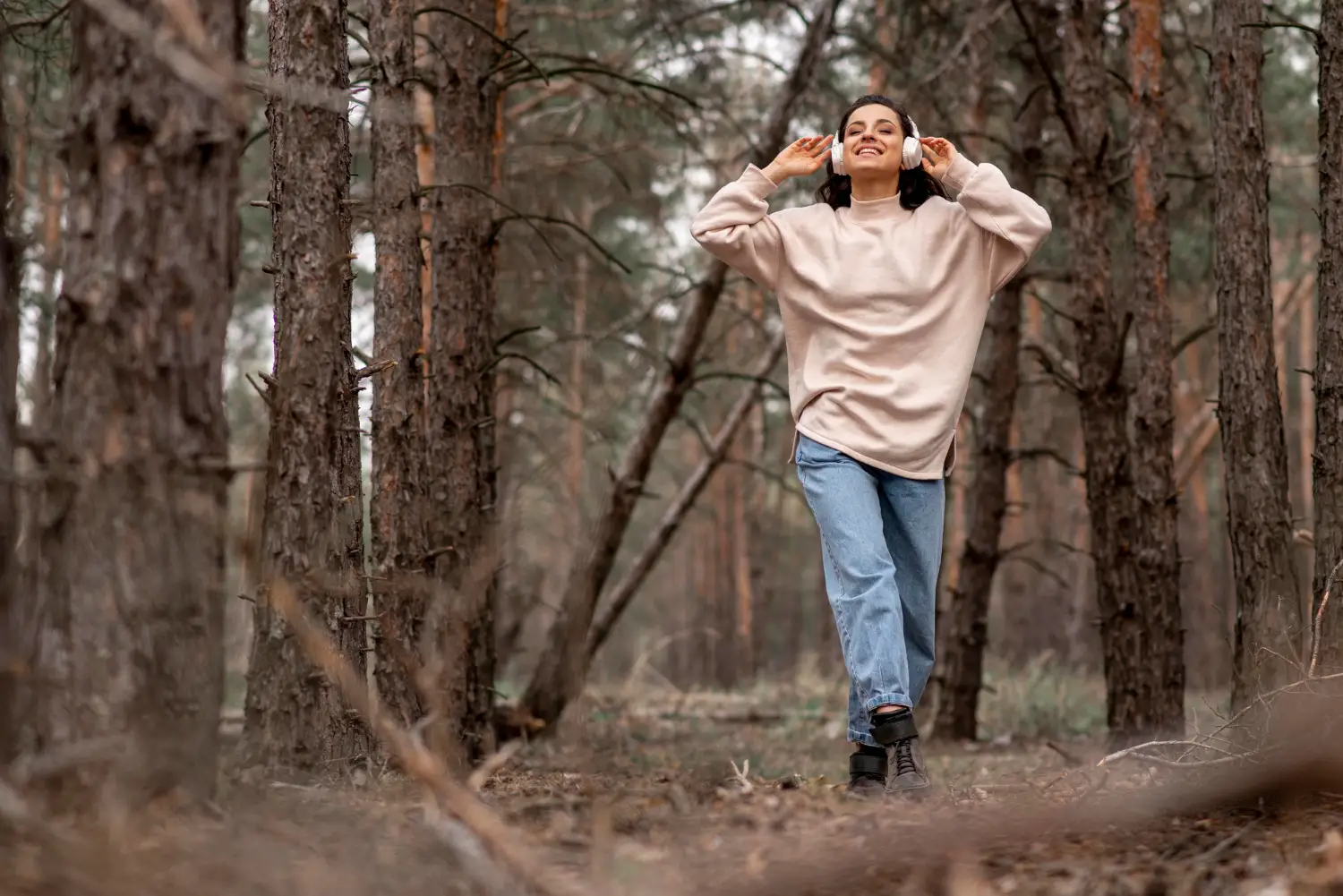
Frequency beats duration every time. Ten minutes daily builds stronger habits than two-hour sessions once a month. Pick a time slot that already exists in your routine. Early morning sets your intention before emails hijack your attention. Evening practice helps shake off the day’s accumulated stress.
Bad weather? Walk indoors. A hallway or large room provides plenty of space. Kick off your shoes to boost sensation through your soles.
Outdoor practice adds layers that walls can’t replicate. Uneven terrain forces you to pay attention. Temperature shifts wake up your skin. Bird calls and rustling leaves offer natural focal points. Even a bland suburban sidewalk becomes a meditation path when you approach it right.
For trail-based sessions, pack light but smart:
- Comfortable shoes with good grip for uneven ground
- Water bottle, especially in warmer months
- Light layers since mountain temperatures shift quickly
- Phone on airplane mode to avoid interruptions
- Small journal if you like capturing insights afterward
Keep loose notes after practice. Did focus come easier today? Did a particular route help? Patterns emerge over time that guide your next adjustments.
A Sanctuary for Deeper Practice
Wild spaces change something about this practice. Your body recognizes environments it evolved within. Mountains, old-growth forest, rushing creeks. These places signal safety at levels beneath conscious thought. Mindful walking meditation deepens when you bring it into terrain like that.
Wheel of Bliss occupies 63 acres surrounded by the National Forest in the Blue Ridge Mountains. Trails crisscross the property past streams and small waterfalls, creating ready-made paths for walking practice. The Celestial Center yurt hosts group instruction. The Sacred Mountain Sanctuary offers secluded ground for silent solo work.
Day retreats let participants experience guided walking meditation alongside other contemplative practices. Expert facilitation, dedicated practice space, pristine natural setting. That combination creates conditions for breakthroughs that solo work might never produce.
Finding Your Path Forward
Your feet already know this. They’ve been walking since you were a toddler wobbling across the living room, arms stretched toward the couch. Mindful walking meditation simply asks you to notice what the body mastered decades ago. Pay attention to something that ordinary, and a funny thing happens. The mind’s constant commentary takes a break. Peace shows up not as something you achieved, but as something that was always there waiting.
FAQ
Can I practice walking meditation anywhere?
Pretty much. Parks, sidewalks, hallways, backyards, hiking trails. Natural settings tend to support the practice better, but any space where you can walk uninterrupted works.
What pace works best for beginners?
Much slower than you'd normally walk. One-third your usual speed makes sensations easier to catch. Speed up slightly as skill develops, but never so fast that awareness slips away.
Do I need to close my eyes during walking meditation?
Definitely not. Keep them open with a soft downward gaze. Let your vision rest loosely on the ground a few feet ahead. All your real attention stays with your feet.
How does this differ from taking a mindful walk?
A mindful walk lets attention roam across whatever catches your interest. Walking meditation keeps the primary focus on the physical act of walking itself. You return again and again to the feet. Both offer value, but train attention differently.