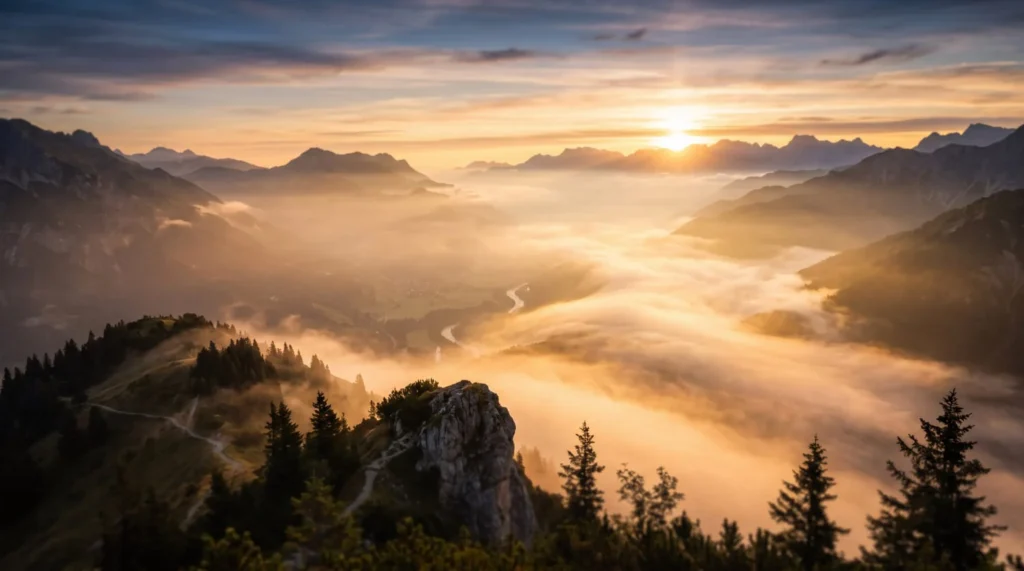
The Crabtree Falls Trail winds through ancient forests where rushing water echoes off moss-covered rocks. This gem along North Carolina’s Blue Ridge Parkway offers more than spectacular views. The 70-foot cascade plunges into a crystalline pool below, creating a natural meditation space where countless seekers have paused to reconnect with something larger than themselves. Located at Milepost 339.5, the trail beckons hikers seeking both physical adventure and inner stillness.
Key Takeaways
- Crabtree Falls NC features a stunning 70-foot waterfall accessible via a 2.5-mile loop trail with moderate difficulty
- The route offers two options: 1.8 miles round trip to the falls or a complete loop through diverse forest ecosystems
- Spring brings exceptional wildflower displays including rhododendron, mountain laurel, and trillium blooming along the path
- Rocky terrain and 570 feet of elevation change require sturdy footwear and careful attention on stone stairways
- Early morning visits provide solitude for contemplative practice and better lighting for photography
- The trail embodies nature as teacher, offering countless moments for mindful awareness
Crabtree Falls Directions and Trail Access
Finding your way to this mountain sanctuary proves straightforward. Travel north on the Blue Ridge Parkway from Asheville for approximately 45 miles until you reach Milepost 339.5. The entrance sits clearly marked on your left as you approach from the south.
GPS sometimes misleads visitors. Ignore any prompts directing you to “Crabtree Road.” The trailhead lies directly accessible from the parkway itself at 39000 Blue Ridge Parkway, Marion, NC 28752.
Parking fills quickly on weekends and peak seasons. The main lot sits at the former visitor center. Arrive before 9 AM on summer weekends to secure a spot. During winter months, the Blue Ridge Parkway experiences periodic closures due to ice and snow.
The Trail Experience and Crabtree Falls
From the parking lot, follow signs marked “Falls” that lead northward past an old wooden amphitheater. The initial quarter-mile traverses relatively flat terrain on a wide gravel path. Wildflower meadows flank both sides here, bursting with color from May through August.
At 0.25 miles, you’ll reach the official loop junction. A wooden sign and bench mark this decision point. Turn right for the counterclockwise route, which saves the steepest climbing for your return.
The descent covers approximately one mile from the junction to the falls. Dense hardwood canopy closes overhead, creating cool shade. Mountain laurel and rosebay rhododendron form thick understory growth. During July, these rhododendrons bloom into tunnels of white flowers.
Roots and rocks appear underfoot. Pay attention. The descent follows switchbacks punctuated by stone stairways. Water sounds grow louder as you drop in elevation. White-tailed deer browse in early morning and evening hours. Ovenbirds call from the leaf litter. Each element contributes to an ecosystem that has thrived here for millennia.
Most hikers complete this section in 25 to 35 minutes, though taking time to pause enriches the experience immeasurably. Slowing down reveals layers of awareness usually missed in our hurried daily lives.
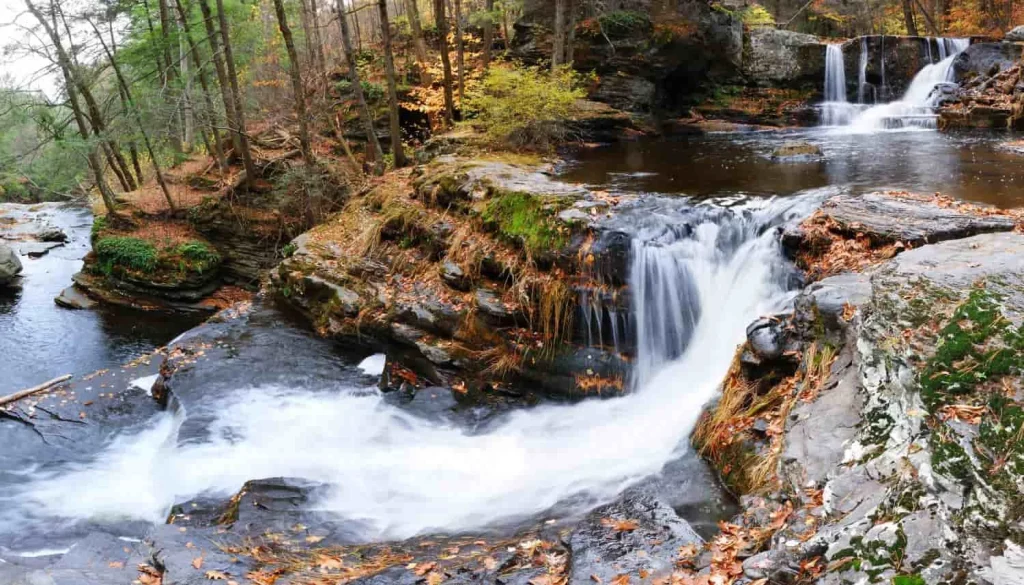
Rounding a final bend, you’ll hear the falls before seeing them. Then the view opens. Crabtree Falls cascades 70 feet down a broad rock face into a deep plunge pool below. Mist rises from the impact zone, creating rainbow effects in afternoon sunlight.
A wooden footbridge spans the base of the falls. Stand here. Feel the cool spray on your skin. Notice how the constant white noise of falling water quiets mental chatter. The rock face shows fascinating geological features carved over thousands of years.
Photographers flock here for good reason. Morning light from the east illuminates the falls beautifully between 8 and 10 AM. Late afternoon also offers excellent conditions. Bring a tripod for long exposure shots. Wide-angle lenses capture the entire scene, while telephoto lenses isolate specific details.
For those drawn to contemplative practice, this spot offers rare power. Many visitors report feeling a palpable shift here. The combination of natural beauty, negative ions from the falling water, and sheer presence of this ancient place creates conditions conducive to deep meditation.
Completing the Loop
Most hikers turn back at the falls. However, completing the full loop reveals additional treasures. Cross the footbridge and prepare for a challenging climb. Stone steps lead sharply upward. This represents the most strenuous section. Your heart rate will climb along with your elevation.
The trail levels as it follows along Crabtree Falls Creek upstream. You’ll cross several wooden footbridges over tributary streams. Small cascades tumble between pools where native brook trout sometimes dart in shadows.
The forest character changes along this upper section. Larger trees appear, including magnificent oaks, tulip poplars, and ancient hemlocks. Some specimens measure three feet or more in diameter. Federal protection has allowed this forest to mature into old-growth characteristics.
Birdsong fills the canopy. Warblers, thrushes, and vireos migrate through in spring and fall. Wood thrushes produce flute-like calls that epitomize the mountain forest soundscape. Simply listening becomes a form of meditation here.
Best Times to Visit
Spring remains the favorite for many hikers. April through early June brings the wildflower explosion. Trillium carpets the forest floor. Mountain laurel follows in late May. By June, the rhododendrons peak.
Spring also brings maximum water flow. Snowmelt and frequent rains ensure the falls thunder with impressive volume. Temperatures range from the 50s to 70s Fahrenheit.
Summer heat in the valleys drives visitors to higher elevations. The Crabtree Falls Trail sits at approximately 3,400 feet, providing temperatures 10 to 15 degrees cooler than Asheville. Afternoon thunderstorms occur frequently. Plan to finish your hike by early afternoon.
Autumn brings spectacular color. Peak fall foliage typically occurs between mid-October and early November at this elevation. Sourwood trees blaze scarlet. Hickories and oaks display golden yellows. Sugar maples contribute brilliant reds.
Winter brings the parkway’s frequent closures. When roads open during mild spells, the trail offers stark beauty. Ice formations cling to cliffs near the waterfall. Very few visitors brave winter conditions, offering true solitude.
What to Bring and Safety Tips
Footwear makes or breaks this hike. Those rocky sections and stone stairs demand boots or sturdy trail runners with aggressive tread. Leave the sneakers at home.
Trekking poles reduce stress on knees during the descent and provide stability on uneven terrain. Water needs vary by season. Carry at least one liter per person, more in summer heat.
Layered clothing works best. Temperatures shift between the parking lot and the creek valley. A light windbreaker or rain jacket belongs in every pack. Pack snacks for energy, particularly if you’re completing the full loop.
First aid basics prove wise. Cell service drops to nothing in the creek valley. Don’t count on calling for help. Bug spray matters during warm months. Ticks remain active from spring through fall. Check carefully after your hike.
Respect the prohibition on swimming at the base of the falls. That inviting pool conceals hazards including submerged rocks and unpredictable currents.
The Spiritual Dimension
Something shifts when you walk forest trails with awareness. The Japanese practice of forest bathing recognizes what contemplatives have known for centuries. Natural settings facilitate inner stillness in ways our built environments rarely can.
Crabtree Falls Trail offers countless opportunities for this kind of practice. Each footstep becomes an opportunity for mindfulness. The rhythm of walking meditation naturally emerges when you’re simply present with your body moving through space.
Water serves as a powerful teacher. Watching the falls, you witness impermanence in real-time. The creek continues flowing regardless of human observation, following laws older than our species.
For those seeking sacred ceremony spaces in nature, this trail demonstrates the power of natural settings. No building constructed by humans matches the cathedral created by towering trees.
Many spiritual seekers discover that time in nature produces shifts unavailable through other means. Mountain retreat settings tap into this reality. Crabtree Falls Trail provides an accessible microcosm of that same potential.
Ecology and Conservation
The forests surrounding Crabtree Falls represent a temperate deciduous ecosystem characteristic of the Southern Appalachians. Over 100 tree species inhabit these slopes. Rosebay rhododendron and mountain laurel form dense understory thickets, providing habitat for numerous bird species and small mammals.
The creek itself supports native brook trout, a species declining throughout its range. Crabtree Falls Creek maintains cold, clean water these trout require.
Wildflowers bloom in waves throughout spring and summer. Early bloomers like bloodroot and trillium emerge before tree canopy closes. Later species like black-eyed susan flourish in meadow openings.
Bird diversity peaks during spring and fall migrations. Warblers, tanagers, thrushes, and vireos pass through in impressive numbers. Mammals range from tiny shrews to black bears.
Visitors help protect this biodiversity through simple practices. Stay on designated trails. Trampling damages plant roots and accelerates erosion. Pack out everything you bring in. Resist picking wildflowers or collecting natural items. Give wildlife space.
The Blue Ridge Parkway represents one of America’s great conservation successes. Your responsible behavior helps maintain this treasure for future generations.
Walking with Intention
The trail itself asks nothing from you. It simply exists, offering what it offers. How you meet that offering determines what you receive. Rush through focused only on reaching the waterfall, and you’ll get decent exercise and a photo opportunity. Walk with awareness, and you might discover something you didn’t know you were seeking.
Retreat centers in these mountains exist as containers for this kind of discovery. Crabtree Falls Trail provides a similar container, wild and unstructured but equally potent. Each visit brings different gifts. Spring’s wildflowers give way to summer’s green cathedral. Autumn’s color show becomes winter’s stark beauty.
Nature doesn’t judge your fitness level or mind state. It simply continues being itself. That acceptance creates space for something to shift. So walk this trail when you can. Let the water teach you about flowing. Let the rocks demonstrate stability. Let the forest show you how interconnection actually works.
FAQ
Can I bring my dog on Crabtree Falls Trail?
Dogs are welcome but must remain leashed at all times. The rocky terrain challenges some dogs, particularly small breeds or those with joint issues. Bring water for your pet. Clean up after your dog and pack out all waste.
What's the best time of year to see the waterfall at full flow?
Spring offers maximum water volume, typically from March through May when snowmelt combines with frequent rains. The falls remain impressive year-round but flow diminishes during late summer dry spells.
Is there a fee to hike Crabtree Falls Trail?
No entrance fee applies for day use. Parking is free at the visitor center lot. The adjacent campground requires fees for overnight stays, with sites available through recreation.gov.
How far is Crabtree Falls from Asheville?
Crabtree Falls NC sits approximately 45 miles north of Asheville via the Blue Ridge Parkway, roughly a one-hour drive. Little Switzerland lies about 5 miles south. The nearest major services are in Spruce Pine or Marion.
Are there facilities at the trailhead?
Restrooms operate seasonally at the nearby campground, typically from May through October. During off-season, no facilities are available. Plan accordingly.