What is marma therapy? This healing modality involves applying pressure, massage, and herbal treatments to 107 specific energy points on your body. These marma points act as gateways between your physical body and subtle energy channels, located where muscles, bones, nerves, and blood vessels intersect. Practitioners stimulate these junctions to release blockages, reduce pain, calm anxiety, and restore natural energy flow throughout your system.
Key Takeaways
- Marma therapy works by stimulating 107 specific energy points located at the intersections of muscles, veins, ligaments, bones, and joints
- Marma meaning translates to “hidden” or “secret” in Sanskrit, referring to these concealed energy centers that influence your entire system
- Marma therapy benefits include pain relief, improved circulation, reduced anxiety, better sleep, and enhanced immune function
- Sessions typically last 60-90 minutes and combine pressure techniques with aromatherapy, heat application, or herbal oils
- Practitioners require specialized training to locate and treat these precise points safely and effectively
- You can practice self-marma therapy at home for simple stress relief and energy maintenance
Ancient Origins of Marma Therapy
Marma therapy originated over 5,000 years ago as part of Ayurvedic medicine in India. Physicians treating warriors on battlefields noticed that injuries to certain body locations caused death or disability beyond what the wound size suggested. Other injuries to different spots healed quickly despite appearing severe. This observation led healers to map 107 precise points across the human body where life force concentrates.
The marma meaning translates from Sanskrit as “hidden” or “secret.” These points remain concealed from casual observation but hold tremendous power over your health. Each point marks a junction where multiple body systems meet—where nerves cross blood vessels, where muscles attach to bones, where lymphatic channels converge. Stimulating these junctions sends signals through your nervous system, shifts blood flow patterns, and influences organ function.
Marma points vary in size. The smallest measure less than a fingertip. The largest span several inches across. Size determines treatment approach—tiny points require pin-point accuracy with fingertips, while larger points respond to broad palm pressure or circular massage. Practitioners train for years to locate each point precisely and apply the correct pressure depth, duration, and technique.
The practice works by removing energetic blockages. When physical trauma, emotional stress, or illness affects your body, energy flow becomes restricted at specific junctions. Your system compensates by creating tension patterns that radiate outward. A blocked point at the base of your skull might cause headaches. Restriction in your lower back could trigger digestive problems. Marma therapy addresses the source rather than chasing symptoms around your body.
Types of Marma Therapy Approaches
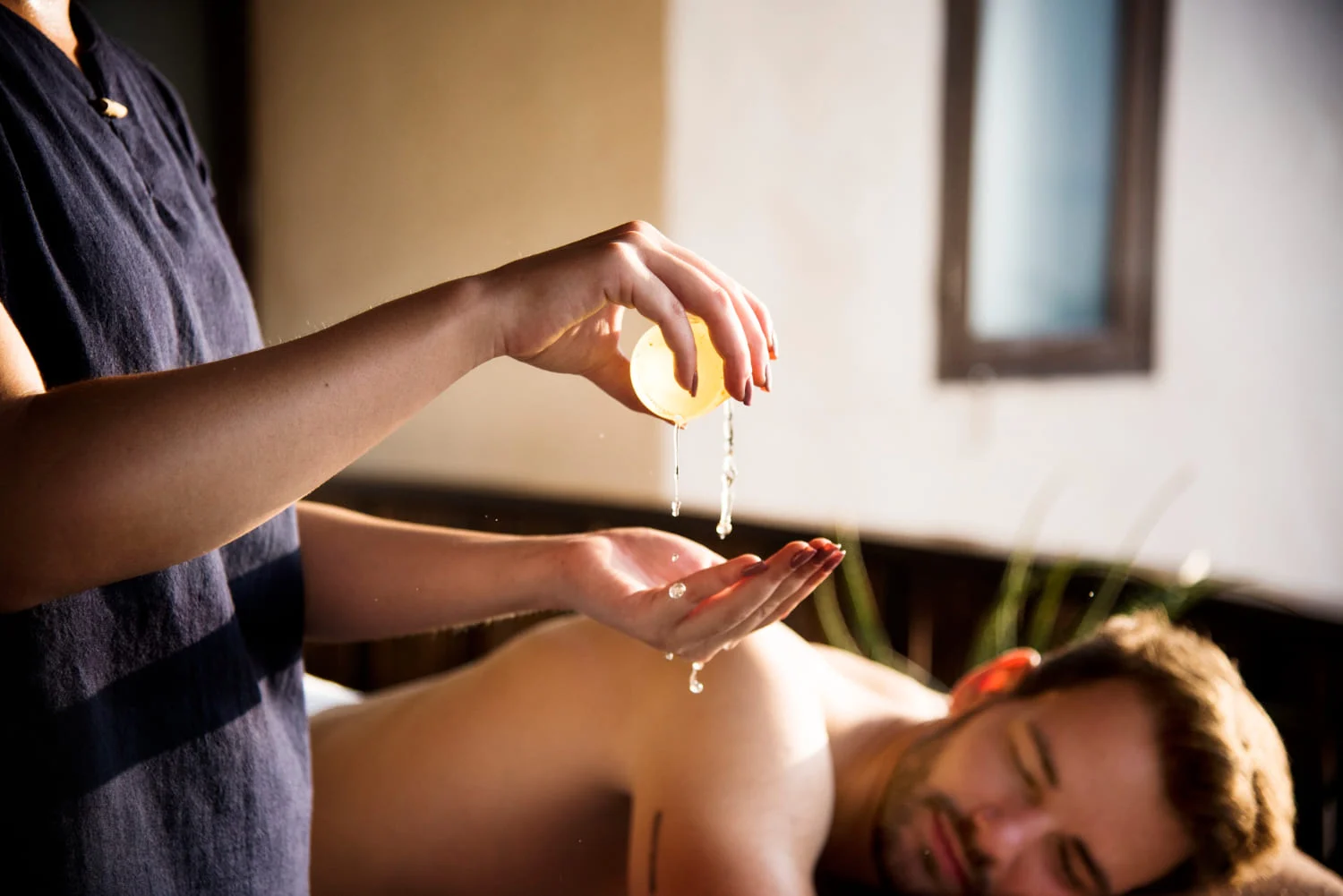
Practitioners select their approach based on your specific needs. Soothing work uses gentle, circular movements combined with warm oils to calm the nervous system—ideal for anxiety, insomnia, or emotional distress. Stimulating treatments employ firmer pressure and quicker movements to awaken sluggish energy, often chosen by athletes seeking improved performance and faster recovery.
Therapeutic interventions target specific health concerns by focusing on three to five key points related to your condition—such as chronic headaches, digestive problems, or joint inflammation. Preventive maintenance keeps your energy flowing smoothly before problems arise. Many people at retreat centers like Wheel of Bliss incorporate this practice into their wellness routines, combining it with meditation and nature immersion for deeper restoration.
The Science Behind Marma Points
Your body contains 107 marma points distributed from head to toe. Each point corresponds to specific organs, tissues, or physiological functions. Thirty-seven points exist on your head and neck alone. Twenty-two line your arms. Twenty-two more run along your legs. The remaining points cluster around your torso.
The marma meaning extends beyond simple pressure points. These junctions represent places where different tissue types converge—where muscle meets bone, where vessels branch, where nerves intersect. Modern research using thermal imaging cameras has detected measurable changes at these points. Blood flow increases. Muscle tension releases. Electrical conductivity shifts.
Research from Indian medical universities shows that stimulating certain points triggers measurable hormonal responses. One study tracked cortisol levels before and after sessions. Stress hormones dropped by an average of 28%. Another study measured pain perception in chronic back pain patients. Seventy-three percent reported reduced pain intensity after eight weeks of treatments.
These points also connect to your subtle energy channels—what Ayurveda calls nadis. When marma points clear, these energy rivers flow unobstructed. When blocked, stagnation occurs. That stagnation creates the conditions for disease to take root.
Major Marma Therapy Benefits You Can Experience
Pain relief tops the list of marma therapy benefits. Practitioners successfully treat headaches, back pain, arthritis, and sports injuries by addressing the root cause rather than masking symptoms. One patient with chronic migraines found relief after three sessions, reducing her headache frequency from fifteen episodes monthly to just two.
Digestive health improves through targeted abdominal work. Points around your navel and lower abdomen influence gut motility and enzyme production. Your sleep quality deepens when tension releases from head and neck points. Emotional balance becomes more accessible when specific points on your chest and upper back are worked, creating space for feelings to move through you.
Immunity strengthens when your lymphatic system flows freely. Regular sessions stimulate lymph drainage, helping your body eliminate toxins. Energy levels rise as circulation improves and cellular metabolism optimizes.
What to Expect During a Session
Your first appointment begins with consultation. The practitioner asks about your health history, current concerns, and wellness goals. You’ll lie on a comfortable massage table, typically remaining clothed or wearing loose garments. Sessions at retreat centers like Wheel of Bliss often take place in serene spaces overlooking mountain vistas or beside flowing streams.
The practitioner locates points through palpation. Pressure application varies from feather-light touching to firm sustained holds. You might feel warmth spreading from the point, tingling sensations, or gentle pulsing. Some people experience emotional releases—spontaneous tears, sighs, or memories surfacing. After treatment, many people feel simultaneously relaxed and energized.
Self-Care Practices You Can Use at Home
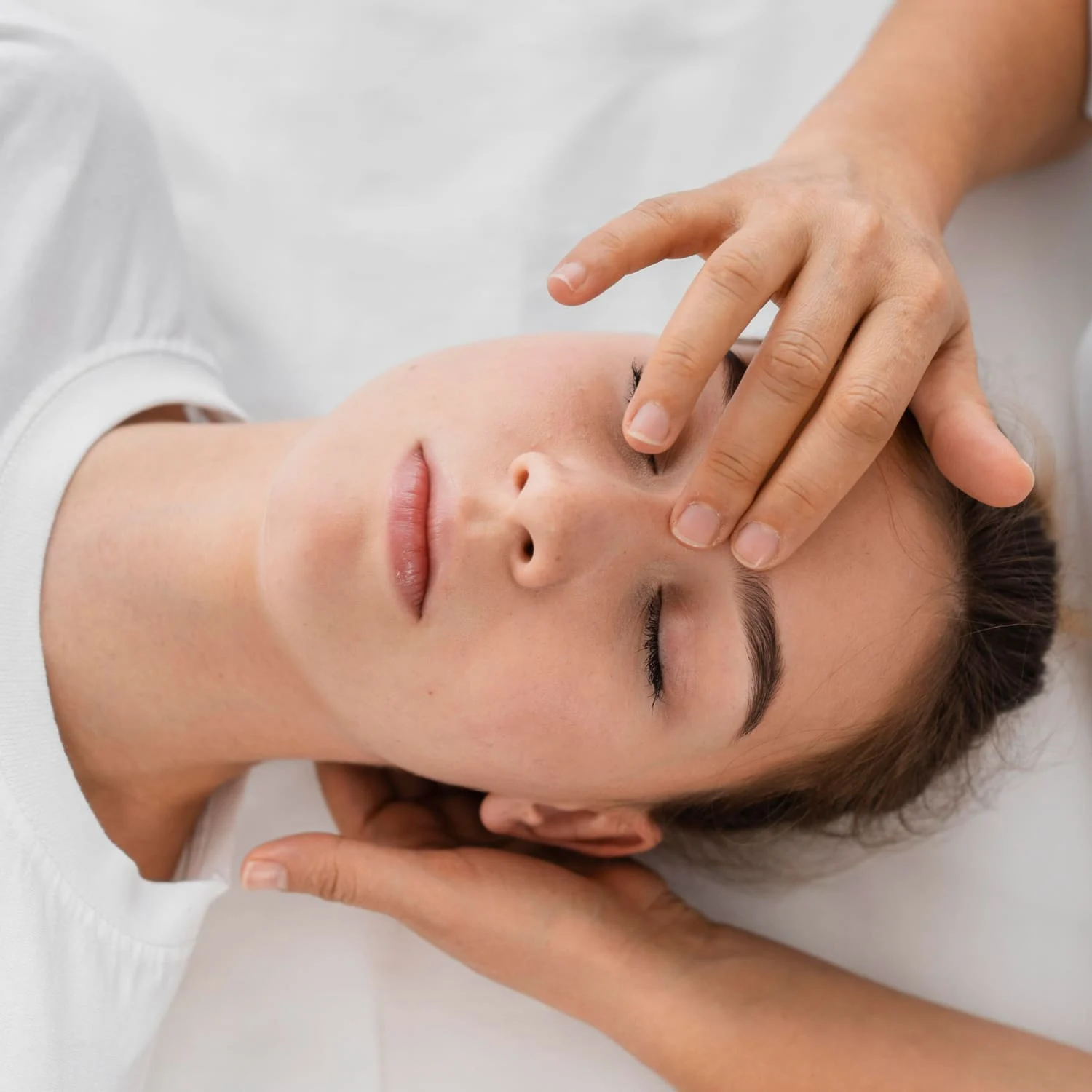
The third eye point sits between your eyebrows. Apply gentle circular pressure here for thirty seconds to clear mental fog and reduce stress. Your hand contains a powerful point in the webbing between thumb and forefinger. Squeeze this spot firmly for one minute on each hand to relieve headaches and facial tension.
The heart center point rests at your sternum, level with your fourth rib. Place your palm here with gentle warmth. Breathe slowly for two minutes to calm anxiety and create emotional grounding. Two points flank your spine at the base of your skull. Press upward gently into the hollow spaces where skull meets neck to release neck tension and improve mental clarity.
Who Can Benefit
This practice serves people across all life stages and health conditions. Those recovering from injury find it accelerates healing without causing additional strain. Individuals managing chronic conditions like fibromyalgia or autoimmune disorders discover gentle relief when other treatments fall short.
Spiritual seekers find this work complements meditation, yoga, and breathwork. Clearing energy blockages allows practices to deepen. Many retreat participants combine treatments with silent sitting, forest walks, and other contemplative activities for accelerated transformation.
Moving Forward with Healing
Marma therapy offers a time-tested pathway to release what no longer serves you. The practice honors your body’s innate wisdom to heal when given proper support. Whether you seek relief from physical discomfort, emotional clearing, or deeper spiritual connection, these ancient techniques meet you exactly where you are and guide you toward greater wholeness.
FAQ
How often should I receive marma therapy sessions?
Frequency depends on your goals and condition severity. Acute issues might benefit from weekly sessions for a month. Chronic concerns often respond well to treatments every two to three weeks for several months. Maintenance work typically happens monthly. Your practitioner will recommend a schedule based on your individual response.
Is marma therapy painful?
Most techniques feel relaxing and pleasant. Some tender points might create momentary discomfort, similar to a "good hurt" feeling when tight muscles release. You should never experience sharp pain or feel forced beyond your tolerance. Always communicate with your practitioner about pressure levels. Effective treatment happens within your comfort zone.
Can I learn to do marma therapy on myself?
You can learn basic self-care techniques for common concerns like stress, headaches, or fatigue. Simple protocols exist for accessible points on your hands, feet, face, and abdomen. Professional treatment reaches points you can't access yourself and applies advanced techniques requiring specialized training. Consider self-practice as supplementary to—not replacement for—professional sessions.