Ancient wisdom meets modern healing through the timeless practice of smudging. This sacred ceremony has helped Indigenous communities for thousands of years connect with spiritual realms while clearing away negative energy. When you burn specific herbs and allow their smoke to flow through your space, you’re participating in something much deeper than a wellness trend. Whether your goal is clearing stagnant energy from your home or preparing your mind for deeper meditation practices, smudging offers genuine spiritual benefits that continue helping people today.
Key Takeaways
- Smudging comes from ancient Indigenous spiritual practices that use sacred smoke to cleanse and purify energy
- This ritual helps connect people to spiritual realms while clearing negative energy from spaces and individuals
- Various herbs like sage, cedar, and sweetgrass each have unique healing properties and spiritual benefits
- Today’s practitioners can honor this tradition respectfully while creating their own meaningful personal ceremonies
Understanding What Smudging Truly Means
Ancient Roots in Indigenous Wisdom
So what is smudging exactly? It started with Native American and Indigenous cultures across North America, where it’s been a central part of spiritual life for countless generations. These communities didn’t see smudging as just energy clearing—for them, it was direct communication with the Creator, ancestors, and the living world around them.
The ceremony carries deep meaning beyond individual cleansing. Indigenous peoples have used smudging to prepare for important gatherings, heal community problems, and mark life’s big moments. When people participate in smudging, they’re connecting to ancestral wisdom while honoring the sacred relationship between humans and plants.
Beyond Wellness Trends
Today’s world has discovered smudging, but this popularity needs to come with respect for its sacred beginnings. The spiritual power of smoke works as a bridge between physical and spiritual realms, carrying prayers upward while bringing divine blessings back down.
Real smudging isn’t about casually burning herbs. It’s a ceremony with specific steps, respectful intentions, and acknowledgment of the Indigenous communities who kept this wisdom alive through centuries of challenges.
The Sacred Science Behind Smoke Ceremonies
How Spiritual Energy Moves Through Smoke
Here’s how the spiritual side of smudging works: smoke acts like a messenger, carrying both prayers and cleansing energy wherever it travels. As sacred herbs burn, they release compounds that Indigenous teachings say can attach to negative or stuck energies.
The smoke grabs onto heavy feelings, leftover tension from arguments, and spiritual blockages that build up in both people and places. As the smoke rises, it takes these burdens away while making room for fresh, positive energy.
Wisdom Backed by Modern Understanding
Science is catching up to what Indigenous peoples always knew. Research shows that burning certain herbs, especially white sage, creates antimicrobial effects that reduce airborne bacteria for hours.
The mental benefits make sense from a psychological perspective too. The ceremonial parts of smudging—setting intentions, breathing mindfully, focusing attention—activate the same brain pathways that meditation and prayer use, creating relaxation and mental clarity.
Sacred Plants and Their Spiritual Properties
Traditional Smudging Herbs
Each plant brings its own spiritual medicine to ceremony. White Sage (Salvia apiana) stands as the most powerful purifier, offering deep energy clearing that works especially well for major life changes, new home blessings, and situations where you need to clear the air after conflicts. This sacred plant has been revered by Indigenous peoples for its ability to cut through even the heaviest spiritual debris.
Cedar (Thuja occidentalis) works differently, focusing on protection and grounding energy rather than intense clearing. Many people turn to cedar for daily protection rituals, grief work, and connecting with ancestral wisdom. Its gentle but steady presence creates energetic boundaries that feel safe and supportive.
Sweetgrass (Hierochloe odorata) brings the opposite energy—instead of clearing away negativity, it actively attracts positive energy and blessings. This makes sweetgrass perfect for prayer ceremonies, gratitude practices, and celebrations where you want to amplify joy and invite beneficial spiritual forces.
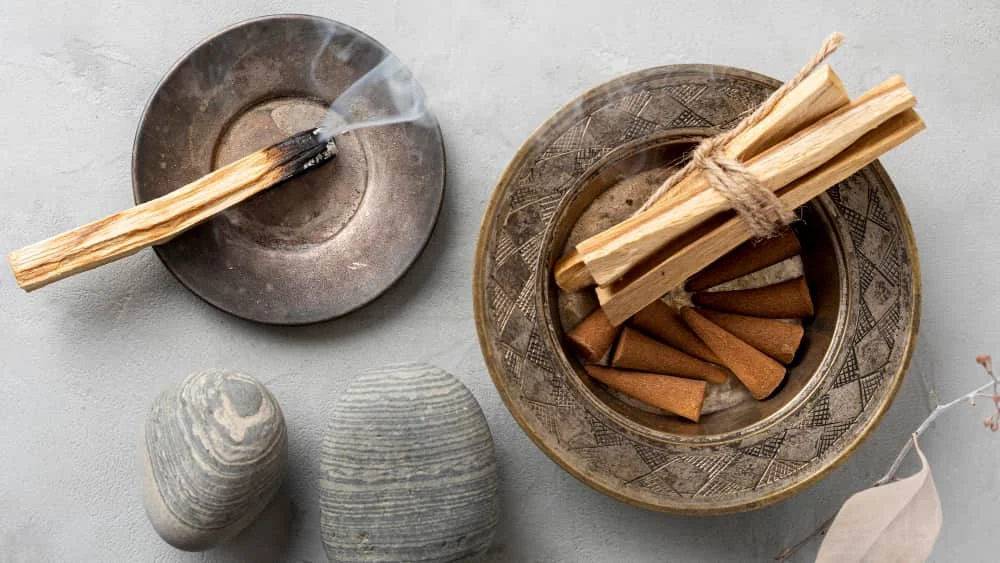
Palo Santo (Bursera graveolens) serves as the perfect finishing touch, sealing intentions and promoting deep healing. Creative people often love palo santo for artistic projects, while healers appreciate its ability to create sacred space and support emotional restoration work.
Choosing the Right Plant for Your Intention
Success in smudging comes from matching the plant’s gifts with what your ceremony needs. When you’re dealing with heavy emotional baggage or major life upheavals, white sage provides the strongest purification power to cut through spiritual clutter. For ongoing daily protection and maintaining healthy boundaries, cedar offers gentle but consistent energetic support that won’t overwhelm sensitive people.
If you’re celebrating positive changes, manifesting new opportunities, or simply want to amplify gratitude in your life, sweetgrass works beautifully to invite more blessings and joy into your space. When your focus is on creative projects, healing work, or establishing a deeply sacred atmosphere, palo santo supports inspiration and provides the perfect energetic foundation for spiritual work.
Creating Your Sacred Smudging Space
Preparing Your Heart and Environment
Good smudging starts way before you light anything. Begin by getting clear on your intentions—what exactly do you want this smudging ritual to accomplish?
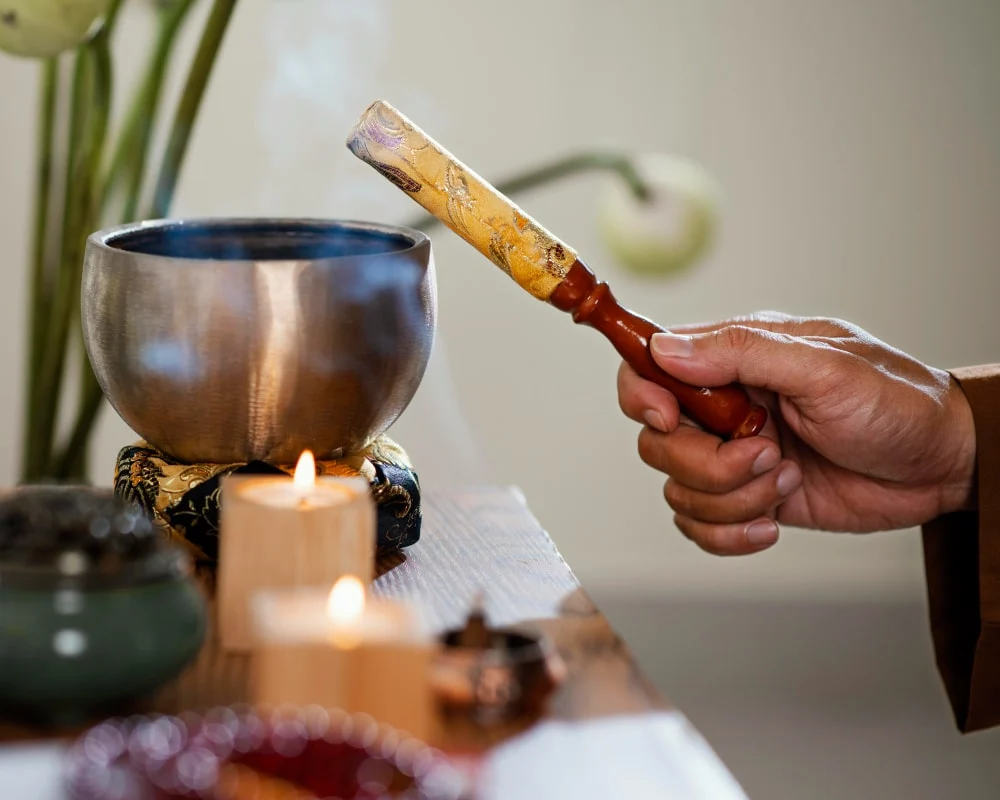
Pick your timing thoughtfully. Many people love dawn or dusk when the energy feels more open between worlds. Others time their ceremonies with moon phases or season changes. The space matters too—clear away clutter and maybe light some candles to set a reverent mood.
Essential Tools for Meaningful Ceremony
Traditional smudging uses specific tools that each carry spiritual meaning:
- Abalone shell or clay bowl: Represents water and gives you a fireproof container
- Feather: Symbolizes air and helps you direct smoke with purpose
- Sacred herbs: Fire transformed into purifying smoke
- Sand or earth: Represents earth and safely puts out your herbs
The Art of Sacred Smudging Ritual
Step-by-Step Ceremony Guide
A proper smudging ritual follows traditional ways while leaving room for your own spiritual expression:
Starting Your Ceremony:
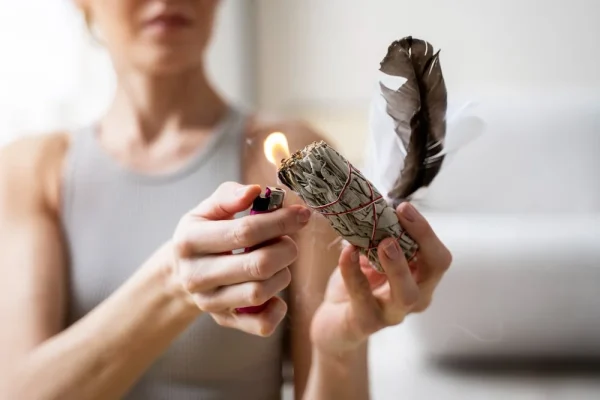
- Light your herb bundle with a candle or match
- Let flames burn briefly, then gently blow out to create smoking embers
- Hold the bundle over your fireproof container to catch falling pieces
- Start with yourself—move smoke over your head, heart, and body
- Say your intentions clearly, either out loud or silently
Cleansing Your Space:
- Move clockwise through your area, beginning at the entrance
- Give extra attention to corners where stuck energy gathers
- Don’t forget closets, storage spaces, and areas that feel energetically heavy
- Keep windows or doors open so cleared energy can leave
Rituals for Different Intentions
Various ceremonies need specific smudging ritual approaches:
For Personal Healing: Direct smoke around areas of physical or emotional pain while picturing healing light entering those places.
For New Beginnings: Begin with thorough clearing using sage, then follow with sweetgrass to welcome fresh possibilities.
For Protection: Use cedar while visualizing a protective barrier around yourself or your space.
Bringing Ancient Wisdom into Modern Life
Daily Spiritual Integration
Regular smudging deepens your connection to spiritual dimensions while keeping clear energetic boundaries. Think about adding brief smudging sessions to your daily routine—maybe after work to shift from worldly concerns to home sanctuary.
Weekly deeper ceremonies can handle built-up stress and keep your space spiritually clean. Some people smudge before important meetings, difficult conversations, or creative projects. Find what works for your lifestyle and stick with it.
Honoring Indigenous Traditions Respectfully
Respectful smudging needs ongoing learning about Indigenous cultures and recognition of where this wisdom comes from. Buy your herbs ethically from suppliers who work directly with Native communities when you can.
Don’t claim Indigenous identity or teach smudging as your own tradition. Instead, approach the practice with humility, thankfulness, and commitment to supporting Indigenous rights and cultural preservation efforts.
Deepening Your Spiritual Connection
The real power of smudging comes through follow-up practices that extend the ceremony’s benefits throughout daily life. After smudging, spend time in meditation or quiet reflection, letting the cleared space fill with your highest intentions.
Keep the sacred energy by making conscious choices about what you invite into your newly cleansed space. Consider keeping a smudging journal to track patterns, insights, and how the ceremony affects your spiritual development.
Regular practice often leads to increased spiritual sensitivity, better boundary-setting abilities, and stronger connection to intuitive guidance.
Ready to start your sacred smudging journey? Check out our guide to creating sacred space or learn about preparing for your next spiritual retreat experience.
FAQ
How often should I perform a smudging ceremony?
Trust your instincts—some people smudge daily while others prefer weekly or when feeling energetically heavy. Consistency and mindful intention matter more than rigid scheduling.
Can I smudge if I’m not Native American?
Yes, when you approach it with deep respect, cultural understanding, and ethical sourcing. Always acknowledge the Indigenous origins and don’t claim it as your own tradition.
What’s the difference between smudging and burning incense?
Smudging uses specific sacred plants in ceremonial context with prayers and intentions, while incense burning is usually for fragrance or general spiritual atmosphere without specific protocols.
Is it safe to smudge indoors?
Yes, with proper ventilation and fire safety precautions. Always use fireproof containers, make sure you have adequate airflow, and completely put out all embers after your ceremony.
How do I know if my smudging practice is working?
You might notice energy shifts, improved mood, better sleep, or enhanced clarity in your spiritual practice. Trust your gut feeling that the space feels “lighter” and more peaceful.