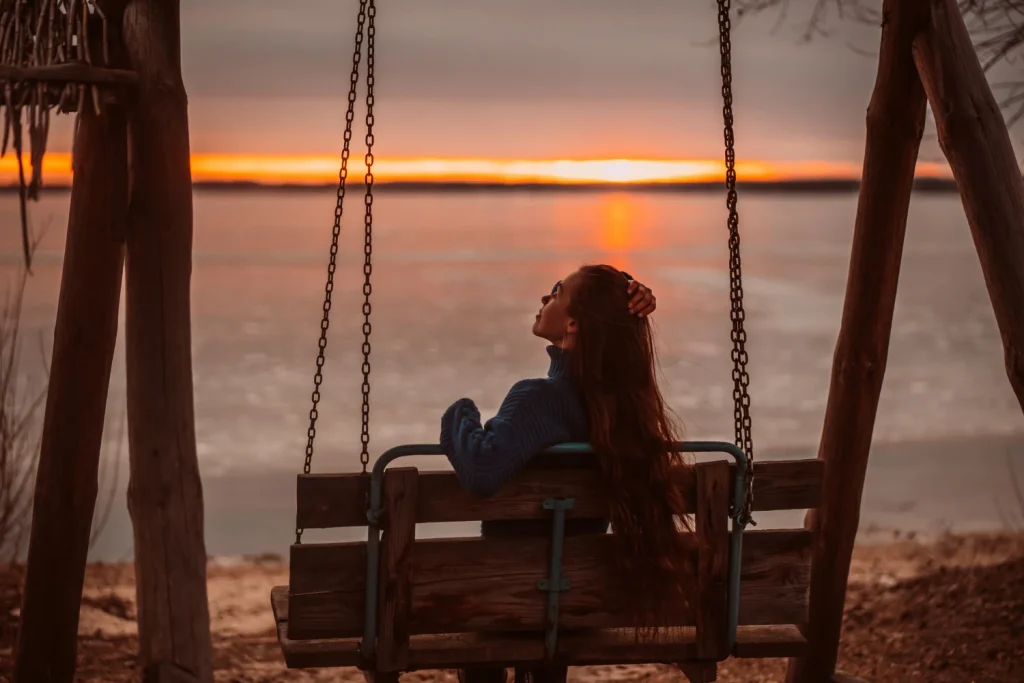
Your brain never stops. Even when you sleep, it processes, organizes, repairs. But what happens when you deliberately choose to do nothing-not sleep, not meditate with intention, just exist? The niksen, unlike mindfulness practices that demand focus, the art of doing nothing invites you to simply be.
Key Takeaways
- Niksen originates from Dutch culture and means doing absolutely nothing without guilt or purpose
- This practice differs from traditional meditation because it requires no technique, focus, or goal
- Research links the art of doing nothing to reduced stress hormones, improved creativity, and better problem-solving abilities
- Americans often resist stillness due to cultural conditioning around productivity and “hustle culture”
- Starting small-even five minutes of purposeless sitting-can rewire your relationship with rest
- Natural settings like forests and mountains amplify the benefits by reducing sensory overload
Why Doing Nothing Actually Does Something
Your default mode network activates when you stop focusing on external tasks. This brain system lights up during daydreaming, memory consolidation, and self-referential thought. Scientists discovered that some of our most creative insights emerge when we’re not actively trying to solve problems.
Think about your last breakthrough idea. Did it arrive during a brainstorming session? Probably not. More likely, you were in the shower. Walking the dog. Staring out a window. Niksen’s meaning extends beyond mere idleness-it creates space for your subconscious to work. Research consistently shows that participants who engage in mind-wandering activities often perform better on creative tasks. Our brains need unstructured time to make novel connections between disparate ideas.
Niksen in the Wild: How Nature Changes Everything
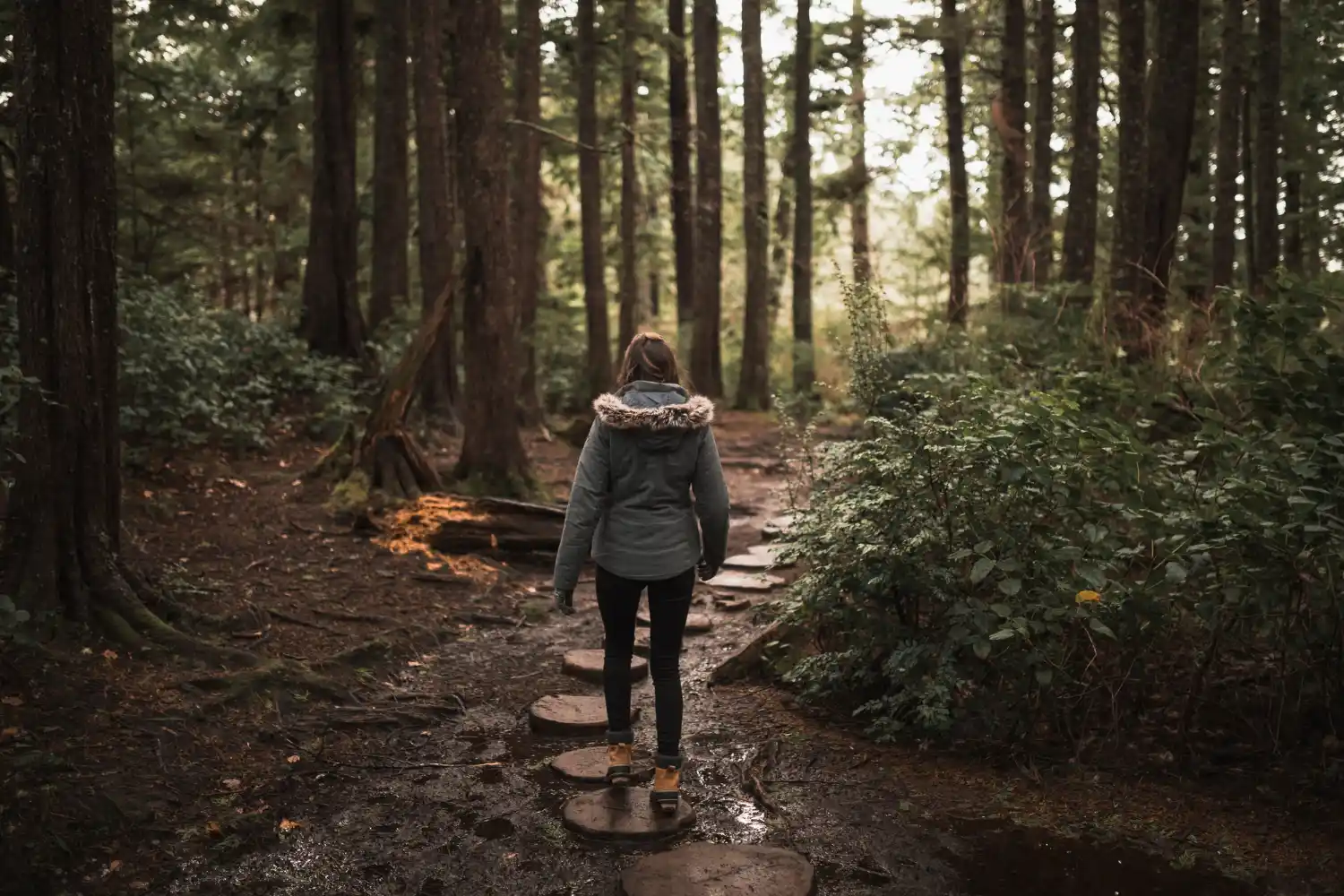
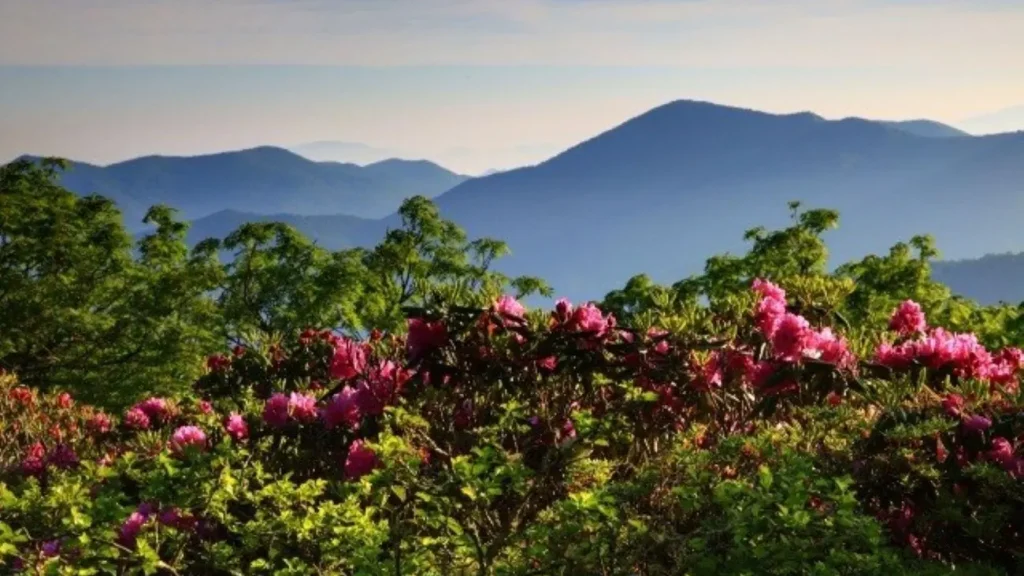
Practicing the art of doing nothing looks different surrounded by trees. Natural soundscapes-water over stones, wind through leaves-provide just enough sensory input to prevent restlessness without demanding attention. Your mind has something to rest on without being pulled into active thought.
Japanese researchers coined the term “shinrin-yoku” (forest bathing) after discovering that spending time among trees lowered cortisol levels more effectively than urban relaxation. The mechanism? Trees release phytoncides, organic compounds that reduce stress hormones when inhaled. Your body relaxes at a chemical level, not just through conscious effort.
Forest settings create ideal conditions for doing nothing. No cars. No sirens. No notification pings. Just birdsong and the rhythm of moving water. The natural world operates on a different timeline-one that doesn’t care about your productivity metrics or quarterly goals.
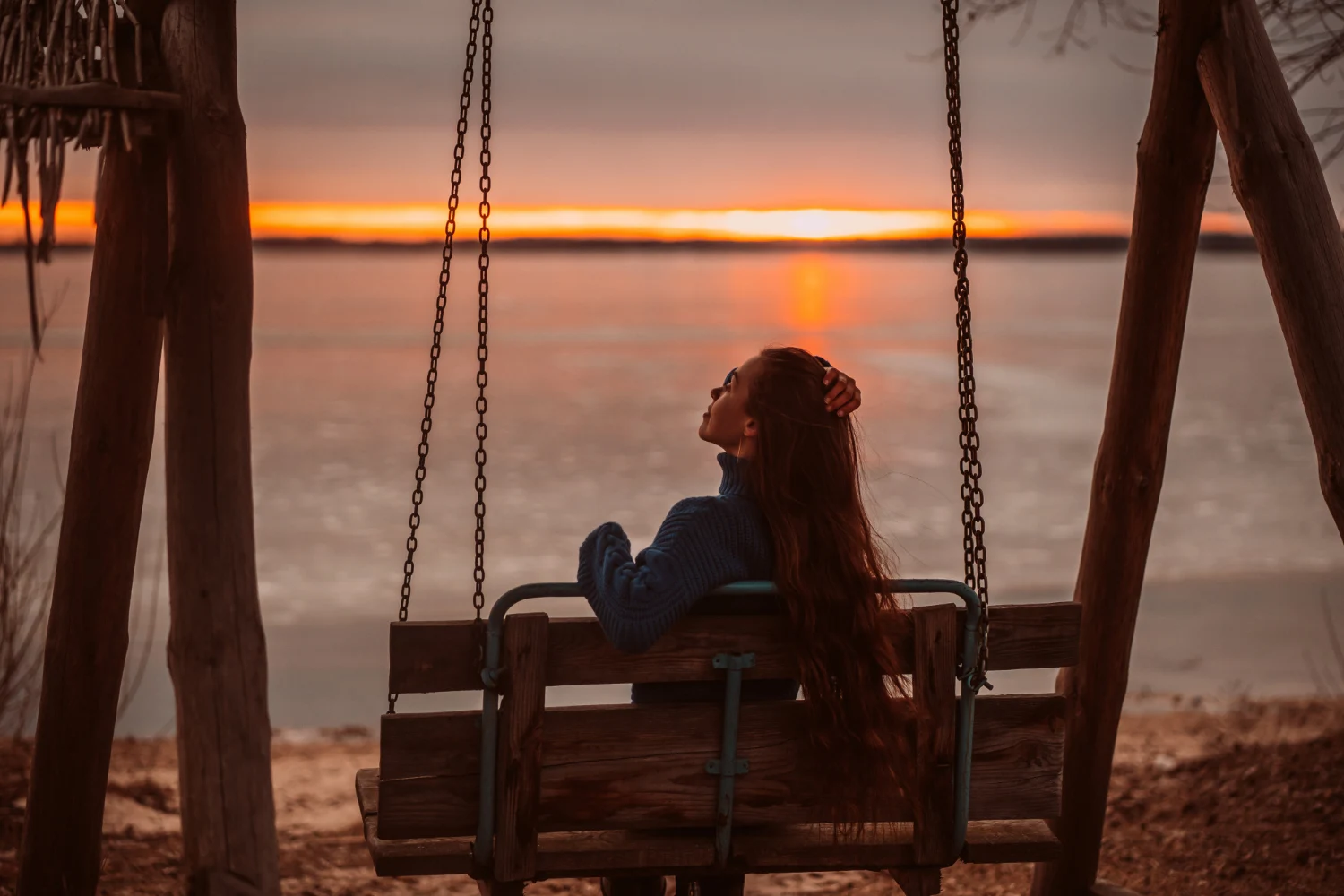
Many people report that their first successful experience with niksen happens outdoors rather than in their living room. One woman described sitting without her phone, watching light move through leaves for an hour. The simplicity of the experience surprised her more than any meditation technique ever had.
Practical Strategies for the Perpetually Busy
- If do nothing meditation sounds impossible given your schedule, you’re already missing the point. This isn’t another task to optimize. Still, some structure helps beginners overcome resistance.
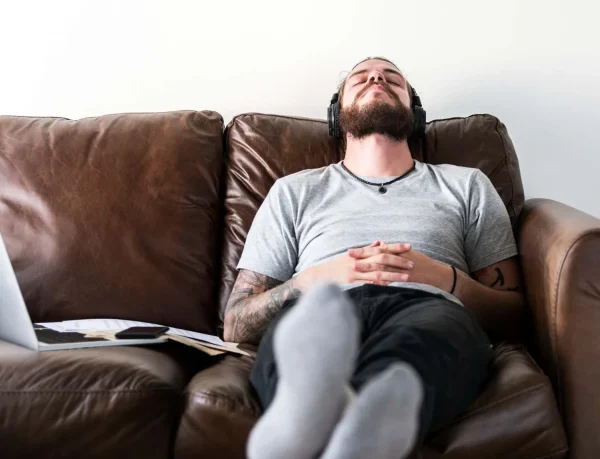
- Start ridiculously small. Set a timer for three minutes. Sit in a comfortable chair. Don’t meditate, don’t practice gratitude, don’t “work on yourself.” Just sit. Your mind will wander, let it. No corrections needed.
- Remove achievement from the equation. You can’t “succeed” at doing nothing. This paradox frustrates high achievers until they grasp that the practice itself is the point. No improvement necessary.
- Use transition times. Instead of scrolling while your coffee brews, stand at the counter and do nothing-those 90 seconds count. Waiting rooms become practice spaces. Traffic lights offer micro-opportunities.
- Normalize the discomfort. Your first attempts will feel awkward, maybe even painful. Muscles accustomed to tension don’t immediately release. Minds trained on tasks resist aimlessness. This discomfort doesn’t mean you’re doing it wrong.
Find your spot. Location matters more than duration. A specific chair, a particular trail, a favorite rock by the creek-returning to the same place signals to your nervous system that this is a safe time.
Retreating from Achievement Culture
American culture glorifies busyness. We brag about full calendars, early mornings, late nights. Rest is earned through exhaustion, not chosen as a default state. This makes the art of doing nothing feel almost rebellious.
The pressure starts young. Children’s schedules overflow with activities, sports, tutoring-each one carefully selected to build a competitive edge for college applications that won’t arrive for another decade. These children grow into adults who carry the same frantically packed calendars, now filled with meetings, networking events, side hustles. We’ve learned to measure our worth through output, confusing constant motion with meaningful progress. Even vacations become packed itineraries where we rush from landmark to landmark, snapping photos to prove we maximized every moment. Productivity has simply changed costumes, wearing leisure as its disguise.
This obsession with constant activity extracts a price. Burnout rates climb year after year. Anxiety disorders proliferate across demographics. We’ve normalized perpetual exhaustion as proof of dedication, wearing our fatigue like medals of honor, never stopping to question whether all this relentless doing actually serves us or simply keeps us too busy to notice how depleted we’ve become.
Doing Nothing with Others
Solo do nothing meditation serves one purpose; shared stillness creates something different. When a group gathers in our Celestial Center yurt and simply sits without an agenda, collective energy shifts the experience in ways that surprise even longtime practitioners.
You’re not meditating together in the traditional sense-no one’s leading, no technique guides the practice. Yet the presence of others, equally committed to purposelessness, reduces the pressure to “do this right” that so often sabotages individual attempts at rest. Everyone’s awkwardness normalizes everyone else’s. When the person next to you shifts uncomfortably, it gives you permission to shift too. When someone’s stomach growls loudly in the silence, the shared humanity of it breaks the illusion that you’re supposed to be achieving some perfect state of transcendence.
There’s a peculiar vulnerability in shared stillness that doesn’t exist in ordinary social situations. We’re so accustomed to performing, maintaining our social masks, filling conversational gaps with pleasantries and small talk. Sitting together without purpose strips away these defenses. You can’t hide in silence-or rather, you can finally stop hiding behind all the noise you usually create. Your thoughts become louder without distraction, your discomfort more apparent, your humanness impossible to disguise.
Yet groups consistently report feeling connected without speaking, as if the absence of words creates space for something deeper to emerge. No philosophical discussions, no sharing circles, no words exchanged at all-yet everyone leaves feeling seen in a way that hours of conversation rarely achieve. This paradox challenges our fundamental assumptions about communication and connection. Maybe we don’t need constant interaction to feel less alone. Maybe true connection requires space, silence, the courage to simply be present without trying to impress or entertain or prove our worth.
Some traditions have understood this for centuries. Quaker meetings practice communal waiting, believing truth emerges not from clever rhetoric but from collective silence where individual egos are quiet enough to hear something larger. Tibetan monks spend years mastering dzogchen, a state of effortless presence that can’t be forced through technique or achieved through striving. Vipassana retreats ask participants to sit in shared silence for ten days straight, not because silence is inherently virtuous but because it strips away everything we use to avoid confronting ourselves.
The forms differ across cultures and traditions, but the principle remains consistent: sometimes the most powerful practice is no practice at all. When we stop trying to accomplish something together, when we release the need for group activities to have outcomes or lessons or takeaways, authentic connection becomes possible in its purest form. Shared niksen creates space for a different kind of community-one built not on doing, achieving, or even deliberately bonding, but on the simple courage of being present together without purpose. That’s when something remarkable happens: you discover that you were never really alone, even in your aloneness.
The Mountains Know How to Rest
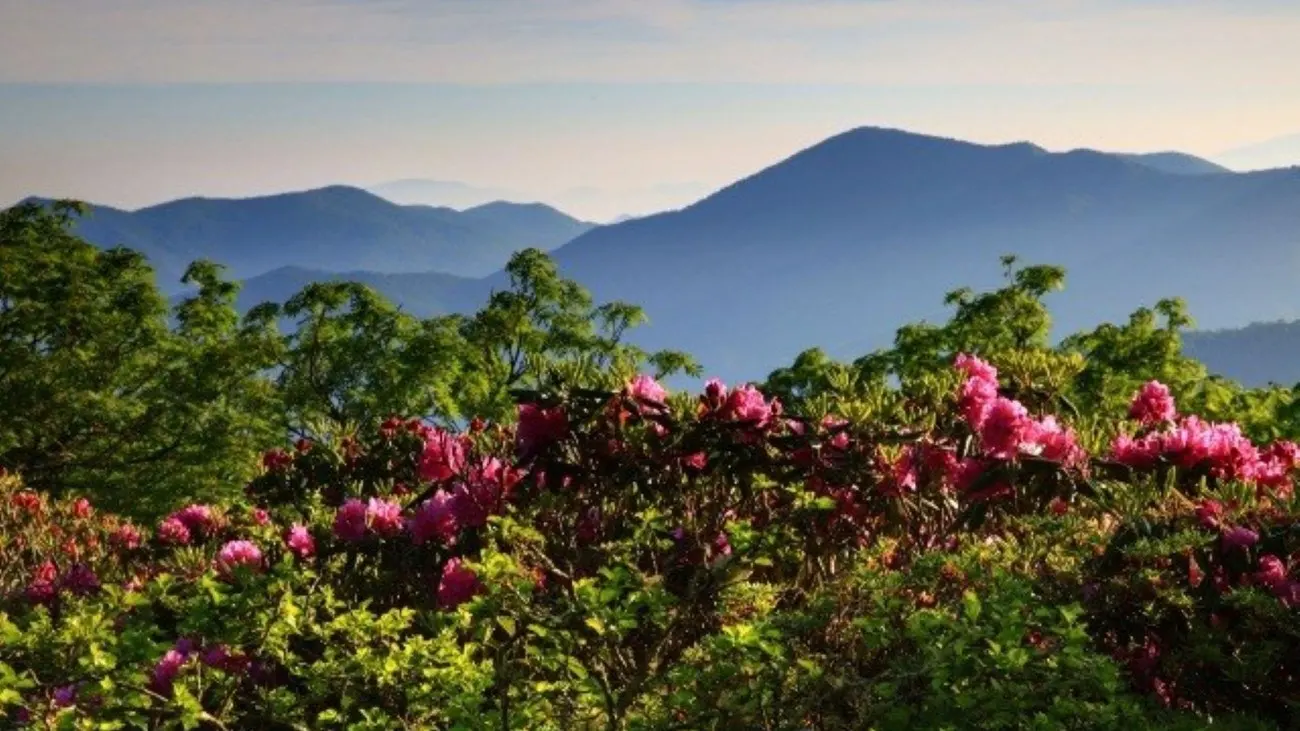
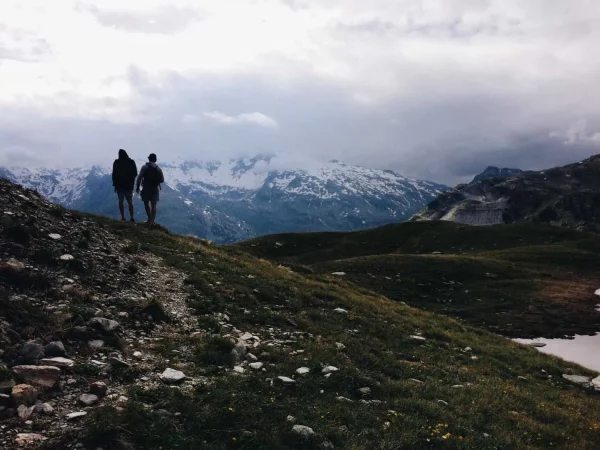
Mountains don’t hurry. Rivers don’t schedule. Trees don’t optimize. They exist, grow, and change at their own pace. The art of doing nothing asks you to remember that you’re not separate from nature-you’re part of it. Sometimes the most radical act is sitting still long enough to remember who you are beneath all the doing.
FAQ
How long should I practice doing nothing?
Start with whatever doesn't trigger resistance. Three minutes works for beginners. Once comfortable, extend to 10-20 minutes. There's no optimal duration-consistency matters more than length.
What if I fall asleep during do nothing meditation?
Perfect. Your body clearly needs rest. Sleep deprivation is so common that many people can't distinguish tiredness from relaxation. If you consistently fall asleep, you're probably catching up on sleep debt.
Can doing nothing actually reduce anxiety?
For most people, yes. Studies show that unstructured rest activates the parasympathetic nervous system, lowering cortisol and heart rate. However, people experience increased anxiety during stillness. If this happens, try shorter sessions in familiar spaces.
Is niksen the same as being lazy?
Laziness implies avoiding necessary tasks. The art of doing nothing is deliberate rest chosen for its own sake. The distinction matters: one causes guilt, the other provides restoration.
Where can I practice if I don't have access to nature?
Any comfortable spot works. A favorite chair, a library bench, a quiet corner at home. Nature amplifies benefits but isn't required. The key is consistency of location and permission to do absolutely nothing.