Walking into a yoga studio after trauma can feel like stepping onto a minefield. Trauma-informed yoga changes that experience completely. This gentle approach honors your body’s wisdom while creating genuine space for emotional healing. Through specially adapted practices, it transforms how you relate to stress and anxiety, offering a path back to yourself that feels safe.
What is Trauma-Informed Yoga?
Think of regular yoga, then strip away everything that might feel unsafe. Trauma-informed yoga rebuilds the practice from the ground up, putting your comfort first. No forced poses, no surprise adjustments, no pushing through pain. Most yoga classes follow set sequences. Everyone moves together, holds poses for the same time, and gets similar cues. But trauma changes how your nervous system works. What calms one person might trigger another completely.
Trauma-informed yoga gets this. Teachers receive specialized training to spot when someone’s getting overwhelmed. They know which words to use and which to avoid. They understand that some days, just lying on your mat counts as a complete practice. There are four core principles that guide this practice:
- Safety: Everything stays predictable. No surprises
- Choice: You decide what feels right in each moment
- Empowerment: Your body always knows best
- Awareness: Notice without judging what comes up
Trauma creates this strange split between mind and body. You might feel numb most of the time, then suddenly overwhelmed by tiny things. Or maybe you’re always on high alert, scanning for danger that isn’t there. The slow movements help your nervous system remember what safety feels like. When you breathe deeply and stretch gently, you’re telling your body, “We’re okay right now.” That message takes time to sink in, but it does sink in.
The Emotional Benefits of Trauma-Informed Yoga
Trauma-informed yoga therapy changes how your emotions work. Instead of feeling overwhelmed by feelings, you start having some say in how they move through you. Research backs this up with real numbers and real people who’ve seen their lives change.
Your Emotions Get Easier to Handle
Ever notice how trauma makes emotions feel like weather you can’t predict? One minute you’re fine, the next you’re drowning in anxiety or rage or numbness. The gentle movements in trauma-informed practice teach your nervous system new patterns.
Your body learns the difference between real danger and trauma memories. Instead of your heart racing at every unexpected sound, you might notice “oh, that’s just the neighbor’s dog” and actually stay calm. This happens because you’re training your system to respond rather than react.
The Research Shows Real Results
One study followed women with severe PTSD through a trauma-sensitive yoga program. After 10 weeks, 52% no longer qualified for a PTSD diagnosis. The control group? Only 21% saw similar improvement.
Veterans report sleeping through the night for the first time in years. They stop jumping at the car backfires. Some describe finally taking a full breath. Women who survived domestic violence find their anxiety dropping significantly. These aren’t just feel-good stories – they’re measured, documented changes.
Learning to Live in Your Body Again
Trauma-informed yoga therapy teaches you to get curious about your experience instead of fighting it. When panic starts rising, instead of thinking “I’m losing it,” you might notice “my chest feels tight and my breathing has gotten shallow.”
This small shift changes everything:
- You catch problems before they overwhelm you
- Difficult emotions become information, not emergencies
- You stop being so hard on yourself about normal trauma responses
- Your body becomes a source of wisdom instead of betrayal
- Healing becomes something you participate in, not something that happens to you
The shame that often comes with trauma starts losing its grip when you realize your reactions make perfect sense given what you’ve been through.
Key Principles Guiding Trauma-Informed Yoga Practice
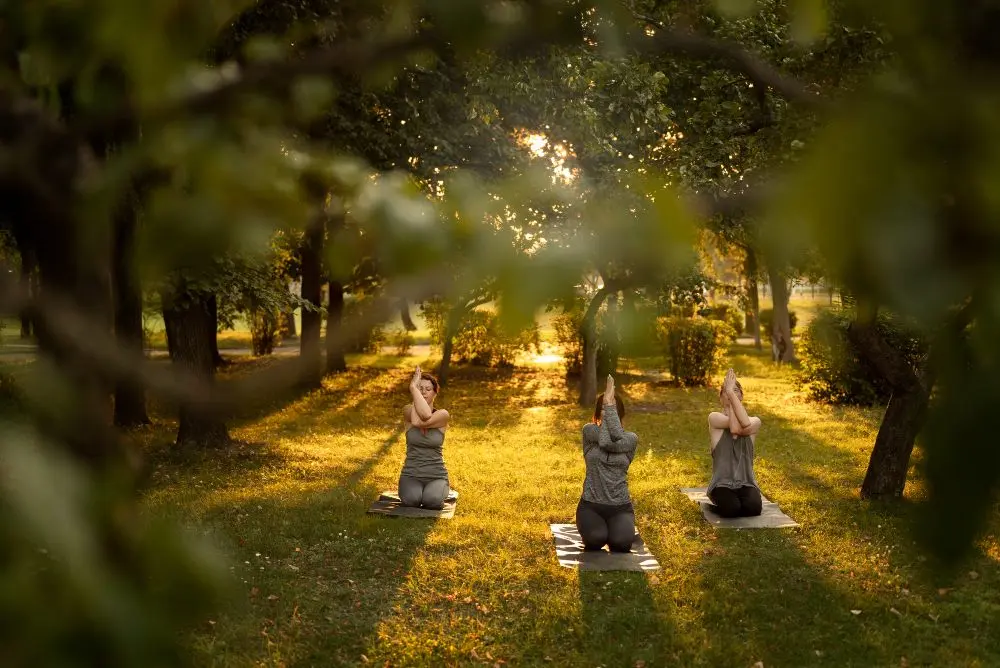
Creating safe environments forms the cornerstone of effective trauma-informed yoga training. Physical safety encompasses consistent lighting, predictable room arrangements, and clear access to exits. Emotional safety develops through trustworthy instructor behavior, non-judgmental attitudes, and respect for individual boundaries.
Essential Elements of a Safe Practice Space
The physical environment plays a crucial role in supporting healing processes. Thoughtful attention to environmental details helps create a sanctuary:
- Consistent lighting: Stable illumination that avoids sudden changes or shadows that might startle students
- Predictable layout: Room arrangements that remain constant from session to session
- Clear exits: Unobstructed pathways that ensure students never feel trapped or confined
- Comfortable temperature: Warmth that supports relaxation without becoming overwhelming
- Minimal distractions: Quiet spaces protected from outside noise and interruptions
Empowerment Through Choice
Language becomes a powerful healing tool in trauma-informed practice. Instead of commanding specific actions, teachers offer invitations and options. Rather than “Place your hands on your hips,” instructors might say “You might rest your hands wherever feels comfortable – perhaps your hips, heart, or simply by your sides.”
This linguistic shift acknowledges student autonomy and prevents power dynamics that could re-traumatize survivors. Every suggestion becomes optional, every pose becomes adaptable, and every moment offers opportunity for choice.
Language That Heals
Mindful communication requires extensive trauma-informed yoga training to master effectively. Teachers learn to replace potentially triggering phrases with supportive alternatives. “Release your tension” becomes “Notice what feels available to you right now.” “Push deeper into the pose” transforms into “Explore what your body is ready for today.”
Skilled instructors remain vigilant for signs of distress – shallow breathing, vacant expressions, or sudden rigidity. They know how to offer gentle guidance back to safety without drawing unwanted attention or creating additional stress. Students receive constant reminders that they control their experience, can modify any suggestion, or rest quietly whenever needed.
Experienced instructors often deepen their skills through specialized settings like wellness workshops, where advanced techniques for supporting emotional releases and working with complex trauma responses are explored in supportive learning environments.
Exploring Trauma-Informed Yoga Poses
Trauma-informed yoga poses prioritize nervous system regulation and emotional safety over physical achievement. Rather than pursuing advanced shapes or challenging sequences, these practices focus on grounding, gentle movement, and reconnection with the body’s natural wisdom.
Grounding Poses for Stability
Grounding practices help students feel connected to the earth and present in their bodies. These foundational poses create stability:
- Mountain Pose (Tadasana): Standing with feet hip-width apart, practitioners notice the sensation of weight moving down through their legs into the floor. This simple position activates the parasympathetic nervous system while building awareness of physical stability and presence.
- Child’s Pose: This gentle folding forward offers refuge when feelings become overwhelming. Beginners can widen their knees for breathing space or use props for additional comfort and support.
Gentle Releasing Poses
Releasing movements provide safe ways to encourage energy flow through the body. The Bridge Pose, practiced with supportive props under the sacrum, focuses on sensation rather than achievement. Cat-Cow movements encourage spinal mobility while coordinating breath and movement – fundamental skills for emotional regulation.
These poses invite exploration rather than demanding specific outcomes. Learn to notice what feels available without pushing beyond current capacity.

Restorative Poses for Deep Healing
Restorative practices form the heart of many trauma-informed yoga poses sequences:
- Legs-Up-the-Wall: This gentle inversion calms the nervous system by shifting blood flow and activating relaxation responses. You can practice against a wall or with legs elevated on chairs, using whatever arrangement feels supportive.
- Savasana (Final Rest): The practice of conscious stillness offers the opportunity to simply be without an agenda. For trauma survivors, learning to rest without vigilance often proves both challenging and deeply healing.
Guidelines for Safe Practice
Practice guidelines emphasize breath awareness without forcing specific patterns. You can learn to observe your natural breathing rhythms and perhaps gently extend your exhalation to encourage relaxation. Personal comfort always takes precedence over “correct” alignment, and teachers regularly remind that you remain the experts of your own bodies.
The integration of yoga for trauma release happens gradually and organically. Unlike vigorous practices that might force emotional releases, this approach allows whatever needs to emerge to do so naturally. You might experience tears, laughter, or simply profound peace – all responses receive equal welcome and validation.
Many practitioners discover that day retreats provide ideal settings for exploring these poses more deeply. Extended time allows for gentle progression and integration while practicing with others who understand, creating a supportive environment for whatever emerges.
Integrating Trauma-Informed Yoga into Daily Life
Beginning yoga for trauma requires patience and self-compassion rather than ambitious goals. Start with brief sessions – five to ten minutes of gentle movement or breathing exercises. Pay attention to what genuinely feels nourishing rather than what you believe should feel beneficial. Many people find establishing consistent practice times helpful, creating predictable routines that support nervous system regulation.
Finding the Right Support
Selecting appropriate instruction significantly impacts your healing experience. Consider these important factors when choosing teachers:
- Completion of specialized trauma-informed training programs and ongoing education
- Ability to articulate their approach to working with trauma survivors clearly
- Experience with emotional responses that might arise during practice
- Policies regarding physical adjustments and personal space boundaries
- Class sizes that allow for individual attention and support when needed
Qualified instructors welcome direct questions about their training and philosophy. They understand that trust develops through transparency and demonstrated competence rather than assumptions.
Building Consistency Without Pressure
Trauma release yoga benefits from consistency rather than intensity. Healing follows nonlinear patterns – some sessions might feel expansive and nourishing, while others bring up difficult memories or emotions. Both experiences provide valuable information about your healing process and deserve gentle attention.
Honoring your body’s changing needs becomes part of the practice itself. Some days call for movement; others require complete stillness. Learning to respond to these fluctuations with compassion rather than judgment supports long-term healing.
Complementary Practices That Support Healing
Yoga integrates beautifully with other healing modalities:
- Journaling: Recording observations and insights from practice helps process emotions and track patterns over time
- Meditation: Brief breathing exercises build mindfulness skills that enhance body awareness during yoga
- Nature connection: Time spent outdoors naturally supports nervous system regulation and emotional balance
- Creative expression: Art, music, or movement can help process emotions that words cannot capture
- Professional therapy: Combining body-based awareness with therapeutic support often accelerates healing processes
Trauma release yoga functions most effectively as part of comprehensive wellness approaches. Regular therapy sessions, supportive relationships, adequate rest, and nutrition that supports nervous system health all contribute to healing. Yoga becomes a valuable tool within a larger toolkit rather than a standalone solution.
Creating Your Sacred Space
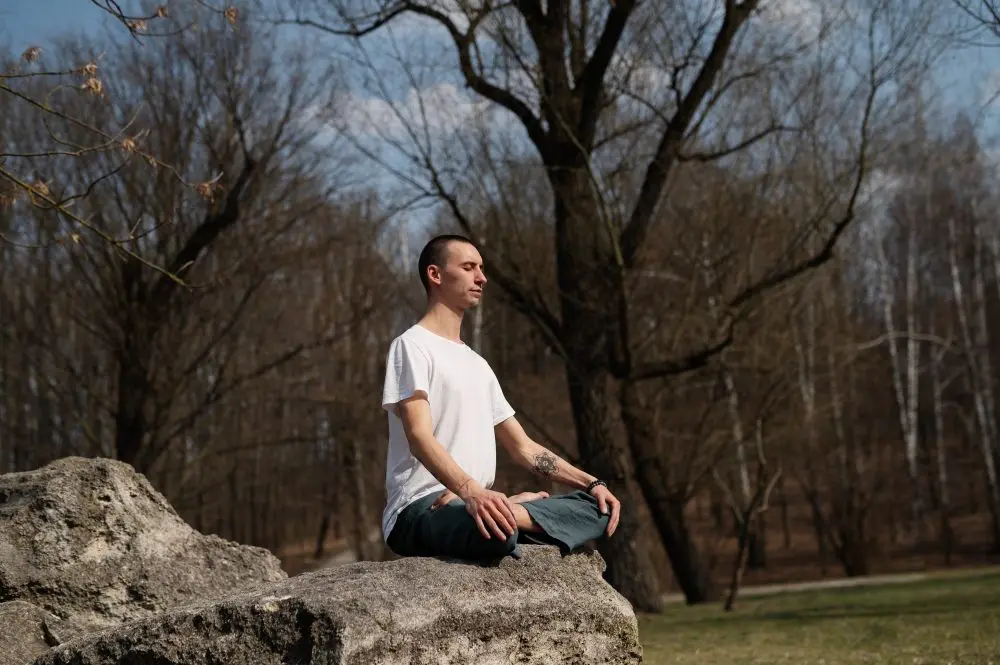
Home practice spaces need not be elaborate – safety and comfort matter most. This might mean a quiet corner with a blanket and cushion, or simply an area where you can move freely without distraction. Having familiar, comforting objects nearby – gentle scents, soft textures, or meaningful images – helps establish the emotional safety necessary for healing work.
For those seeking deeper immersion in these practices, time spent at a dedicated retreat center offers unique opportunities. Trauma-informed yoga practiced in the serene Blue Ridge Mountains, surrounded by national forest and flowing waters, provides powerful containers for transformation. The natural setting becomes part of the healing process, reminding practitioners of their connection to something larger and more enduring than their traumatic experiences.
Ready to Trust Your Body’s Innate Healing Power?
Trauma-informed yoga creates bridges back to embodied wellness that honor both wounds and resilience. Through practices that prioritize safety, choice, and self-awareness, this approach helps restore mind-body connections that trauma often disrupts. The emotional benefits extend naturally into all areas of life, supporting overall well-being and recovery.
Begin wherever you find yourself today. Perhaps that means exploring one grounding pose each morning, or seeking out trauma-informed classes in your community. Progress need not follow prescribed patterns – showing up for yourself with kindness constitutes meaningful steps forward. Remember that healing rarely follows straight lines, and apparent setbacks often provide valuable information about your recovery process.
Your body contains remarkable wisdom about what it needs to heal. Trauma-informed yoga offers tools for listening more clearly to that inner guidance while building capacity for emotional regulation and self-compassion. Trust in your innate healing abilities, and allow your unique path forward to unfold naturally as you take each mindful step.