Centuries ago, a group of Buddhist monks ventured into a forest to meditate, only to flee in terror from what they perceived as hostile spirits among the trees. When they returned to the Buddha seeking refuge, he gave them an unexpected remedy—not a protective charm or warrior stance, but a practice of radical benevolence. That practice was metta meditation, a method of cultivating unconditional goodwill that would calm their fears and create peace between them and all beings. This ancient teaching remains remarkably relevant, offering a systematic approach to training the heart that modern science now validates with impressive research findings.
Key Takeaways
- Metta is a Pali word meaning benevolence, friendliness, or active goodwill toward all beings—distinct from sentimental affection or romantic love
- The practice belongs to the Four Brahmaviharas (divine abodes), which include loving-kindness, compassion, sympathetic joy, and equanimity
- Scientific studies link regular metta loving kindness meditation practice to reduced anxiety, decreased chronic pain, improved social connection, and even slower biological aging
- A loving kindness meditation script typically progresses from self to loved ones, neutral people, difficult individuals, and finally all beings
- Even brief sessions of 10-15 minutes can produce measurable increases in positive emotions and sense of wellbeing
The Ancient Roots of Boundless Benevolence
What is metta, exactly? The term comes from the Pali language of early Buddhist texts, where it carries meanings that include friendliness, benevolence, and active interest in the welfare of others. The Sanskrit equivalent, maitrī, shares the same essence. Unlike romantic love or family attachment, metta represents something more expansive—a deliberate cultivation of goodwill that extends without discrimination.
The Buddha placed metta as the first of the Four Brahmaviharas, sometimes called the “divine abodes” or “immeasurable states.” These four qualities form a complete framework for emotional well-being:
- Metta (Loving-kindness): The wish for happiness directed toward all beings
- Karuṇā (Compassion): The response to suffering with a desire to alleviate it
- Muditā (Sympathetic joy): Genuine delight in the good fortune of others
- Upekkhā (Equanimity): Balanced serenity that treats all beings impartially
According to the Metta Sutta, one of Buddhism’s most beloved texts, cultivating these four states makes the mind “immeasurable”—limitless in its capacity to hold warmth and care. The Buddha taught that metta and fear cannot coexist; when you genuinely wish well for all beings, there remains no room for the contraction of anxiety or hostility.
What Science Reveals About Heart Practices
Researchers have increasingly turned their attention to metta loving kindness meditation, producing a body of evidence that supports many traditional claims. The findings span psychological, neurological, and even physiological domains.
A landmark study by psychologist Barbara Fredrickson and colleagues, published through the University of North Carolina, found that seven weeks of loving-kindness practice increased positive emotions including joy, gratitude, contentment, and hope. Participants also reported greater life satisfaction and reduced depressive symptoms compared to a control group.
Beyond mood improvements, research examining vagal tone—a physiological marker associated with emotional regulation and social connection—showed increases following loving-kindness training. Higher vagal tone correlates with better stress responses and cardiovascular health.
Pain researchers have documented that metta meditation can reduce chronic lower back pain and migraine frequency. The mechanism appears linked to stress reduction; emotional tension amplifies pain perception, while positive emotional states buffer against it.
Perhaps most striking are findings related to telomeres, the protective caps on chromosomes that shorten with age and stress. A 2013 study found that loving-kindness practitioners showed longer telomere length compared to controls, suggesting the practice might influence biological aging markers.
The Progressive Structure of Practice 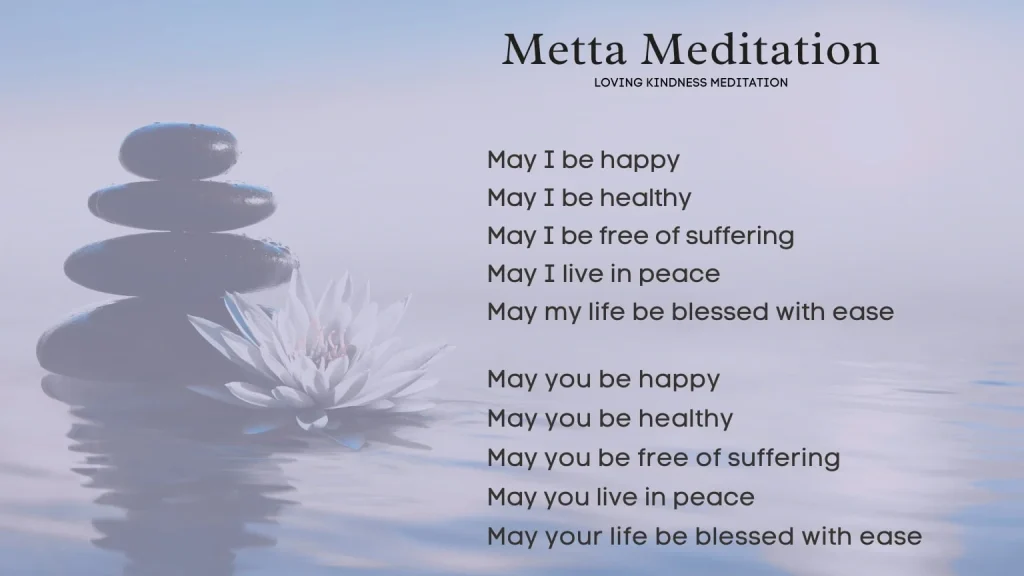
Most loving-kindness meditation scripts follow a graduated approach, moving outward in concentric circles of care. This design acknowledges a practical reality: generating genuine warmth toward difficult people requires prior cultivation with easier recipients.
Phase One: Directing Kindness Inward
One’s self is where the practice begins. This surprises many Western practitioners, who may find self-directed kindness uncomfortable. Yet Buddhist psychology recognizes that sustainable outward love requires a grounding in inner acceptance. Sharon Salzberg, a renowned meditation teacher, notes that starting with self-compassion builds the capacity to extend care genuinely to others.
Typical phrases during this phase include:
May I be safe and protected. May I be healthy in body and mind. May I live with ease and happiness. May I be free from suffering
Phase Two: A Beloved Person
Next comes someone who naturally evokes warmth—a dear friend, family member, or mentor. Teachers often suggest choosing someone with whom you have an uncomplicated relationship. The same phrases are adapted:
May you be safe and protected. May you be healthy in body and mind. May you live with ease and happiness
Phase Three: A Neutral Person
This phase introduces someone you neither like nor dislike—perhaps a cashier you see regularly or a neighbor you’ve never spoken with. Here, the practice begins stretching beyond habitual emotional patterns, recognizing that this stranger has hopes, fears, and desires for happiness just as you do.
Phase Four: A Difficult Person
Many practitioners find this the most demanding phase. Buddhist teacher Melvin Escobar compares it to weight training: attempting too heavy a load too soon leads to injury or abandonment. Starting with mildly irritating individuals rather than major adversaries builds capacity gradually.
The goal here is not to approve of harmful actions but to recognize that even those who cause harm desire their own happiness, however misguided their methods.
Phase Five: All Beings Everywhere
Finally, the practice expands to encompass all sentient life without exception. Traditional formulations radiate metta in all directions—north, south, east, west, above, below—including beings seen and unseen, near and far, large and small.
Practical Tips for Developing Your Practice
Getting started with metta loving kindness meditation requires no special equipment, only willingness and a quiet space. Consider these guidelines:
Session Length: Begin with 10-15 minutes. Research by Hutcherson and colleagues at Stanford demonstrated that even brief sessions produce measurable increases in social connection and positive feelings. Longer sessions (20-30 minutes) deepen the experience as capacity develops.
Phrase Selection: Traditional phrases work well, but personalization matters. The words should resonate emotionally. Some practitioners find “May I be peaceful” more evocative than “May I be happy.” Experiment to discover what activates genuine feeling rather than rote recitation.
Working with Resistance: Feelings of unworthiness, boredom, or irritation commonly arise. Teachers advise witnessing these reactions without judgment rather than forcing emotion. As Tara Brach, psychologist and meditation teacher, suggests, the practice works on us even when we don’t feel immediate results.
Integration Beyond Formal Sessions: Metta need not stay on the cushion. Walking through a crowded street, you might silently offer “May you be well” to passersby. Waiting in line becomes an opportunity rather than an annoyance. This informal practice reinforces the formal work.
Working with Difficult Emotions: When practicing with a challenging person, if strong anger or resentment arises, return attention to yourself or a beloved person. Stabilize the positive feeling before attempting the difficult person again. Pushing through resistance rarely produces authentic warmth.
Common Obstacles and How to Work Through Them
Practitioners frequently encounter predictable challenges. Recognizing these as normal rather than signs of failure supports continued engagement.
The “Fake It” Concern: Repeating phrases when emotions don’t match feels inauthentic to many. However, intention matters as much as feeling. Setting the direction of the heart, even without immediate emotional confirmation, plants seeds that mature over time.
Emotional Flooding: Sometimes long-suppressed grief or pain surfaces during practice. This indicates depth rather than error. Having support—a teacher or therapist—helps you move through intense emotional material safely.
Sleepiness or Distraction: Like any meditation, loving-kindness practice confronts wandering attention. The instruction remains consistent: notice the drift and return to the phrases without self-criticism.
Skepticism About Results: Benefits often appear gradually and may be noticed first by others. Changes in reactivity, patience, and general mood can be subtle. Keeping a practice journal helps track shifts that might otherwise go unrecognized.
The Ripple Effect: From Individual Practice to Collective Healing
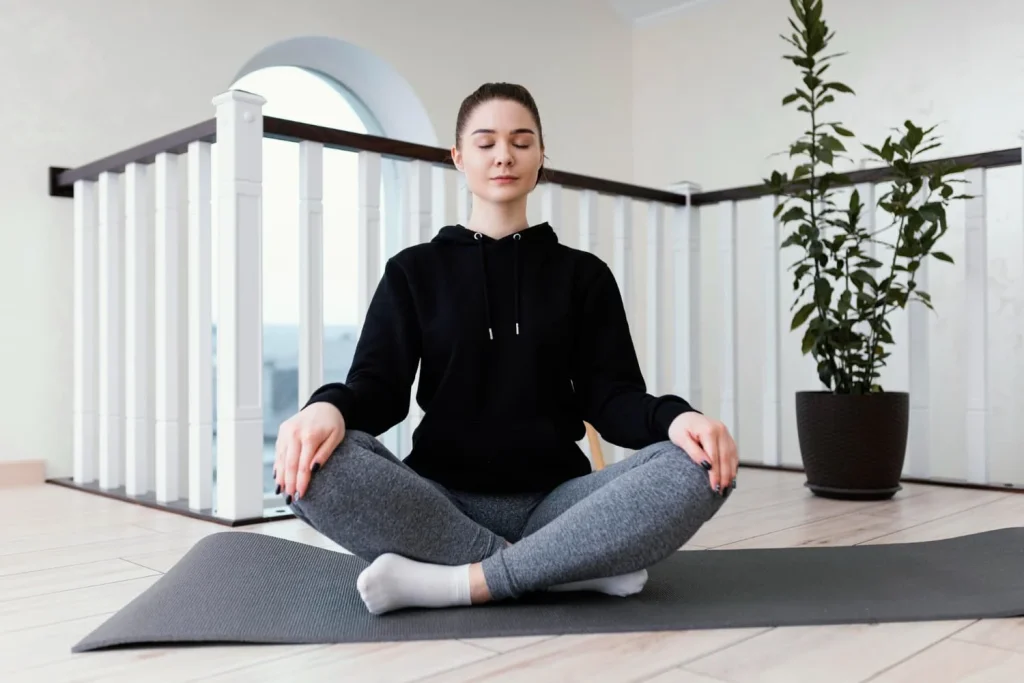
What begins as personal cultivation naturally extends outward. Regular practitioners report shifts in how they relate to strangers, respond to conflicts, and perceive those who differ from them. This makes metta meditation relevant beyond individual well-being.
Research from the Greater Good Science Center at UC Berkeley indicates that loving-kindness meditation increases prosocial behavior—those who engage regularly are more likely to act generously and compassionately. Inner changes gradually show up in outer actions.
In clinical settings, therapists have adapted loving-kindness approaches for populations including veterans with PTSD, individuals with chronic pain, and those struggling with self-criticism. A 2021 study found that the practice helped reduce depressive symptoms in people dealing with trauma.
The Buddha’s eleven traditional benefits of metta practice included better sleep, pleasant dreams, being regarded with affection by humans and animals, concentration, and dying peacefully. Modern research hasn’t tested all these claims, but the available evidence suggests the practice indeed produces changes extending well beyond subjective experience.
A Practice for All Seasons
Metta (loving-kindness) meditation asks for nothing extraordinary—no special beliefs, no difficult postures, no expensive retreats. It requires only the willingness to sit with phrases of goodwill and let them work on the heart over time. This approach meets people wherever they are, offering benefits to beginners and seasoned meditators alike.
Those monks who fled the forest centuries ago returned after learning metta. According to tradition, the spirits that had seemed threatening became protective presences. Modern practitioners may not encounter forest spirits, but they reliably encounter their own fears, resentments, and self-judgments. Metta offers a way through these inner obstacles—not by fighting them, but by gradually dissolving them in warmth.
The Heart’s True Dwelling
Ancient Buddhists called these practices “divine abodes” because they believed gods reside in states of boundless love. You need not accept this cosmology to appreciate the metaphor: when the heart genuinely wishes well for all beings, it has found its proper home. This is what metta ultimately offers—not an escape from difficulty, but a way of meeting life’s inevitable challenges with an open, resilient heart.
FAQ
Can I practice loving-kindness meditation if I'm not Buddhist?
Absolutely. While rooted in Buddhist tradition, the practice requires no religious commitment. Secular adaptations retain the core method—using phrases of goodwill directed progressively outward—without doctrinal elements.
What if I struggle to feel loving toward myself?
This is extremely common, particularly among Western practitioners. Teachers advise patience rather than force. Some find it helpful to begin with a beloved pet or child, stabilize the feeling of warmth, and then redirect it toward themselves.
Is there a specific time of day that works best for this practice?
Any consistent time supports habit formation. Morning practice can set a positive tone for the day; evening practice can help release accumulated tension. Experiment to discover what integrates best with your schedule.
How is metta different from compassion meditation?
Metta focuses on wishing happiness and wellbeing; compassion (karuṇā) specifically addresses suffering and wishes for its relief. They are closely related—metta naturally gives rise to compassion when it encounters suffering—but the emotional tone differs slightly. Both belong to the Four Brahmaviharas.
Can metta meditation help with anxiety?
Multiple studies support this application. Research published in peer-reviewed journals shows that loving-kindness practices reduce anxiety symptoms. The practice appears particularly effective when combined with mindfulness meditation.
What phrases should I use if the traditional ones don't resonate?
Personalize freely. Some alternatives include: "May I accept myself as I am," "May you find peace," or "May we all be free from fear." The words matter less than the genuine feeling they evoke when repeated.