Looking Glass Rock towers 4,100 feet above the Blue Ridge Mountains like a sleeping giant made of granite. Cherokee tribes first named this massive dome for how it catches light and reflects like polished stone after rain. Thousands climb this beast each year, drawn by challenging terrain and views that stretch across three states. Asheville sits just 30 minutes away, making it perfect for day trips. The hike demands respect—granite doesn’t forgive mistakes.
Key Takeaways
- Get your body ready first – That final granite scramble will test your legs, lungs, and nerve, so hit the stair climber and practice breathing exercises beforehand.
- Beat the crowds and heat – Dawn starts mean cooler temps, golden light for photos, and space to breathe on those narrow ledges up top.
- Granite changes everything – Forget regular hiking boots; you need aggressive treads, double the water, and serious sun protection once the trees disappear.
- Weather turns deadly fast – Lightning kills on exposed rock, so check forecasts obsessively and bail if storms threaten.
- Budget a full day – Most folks need 4-5 hours total, and rushing down slick granite sends people to the ER.
- Recovery matters too – Pair this punishment with massage or yoga at nearby retreat centers to actually enjoy your victory.
What You’re Getting Into
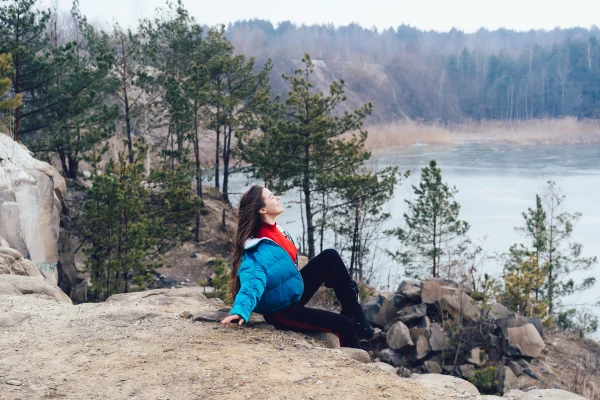
The Looking Glass Rock trail runs 3.2 miles roundtrip but packs 1,700 vertical feet into that distance. Most people finish in 3-4 hours, though that depends on how many breaks you take and whether you freeze up on the exposed sections. This ranks as moderate-to-strenuous hiking.
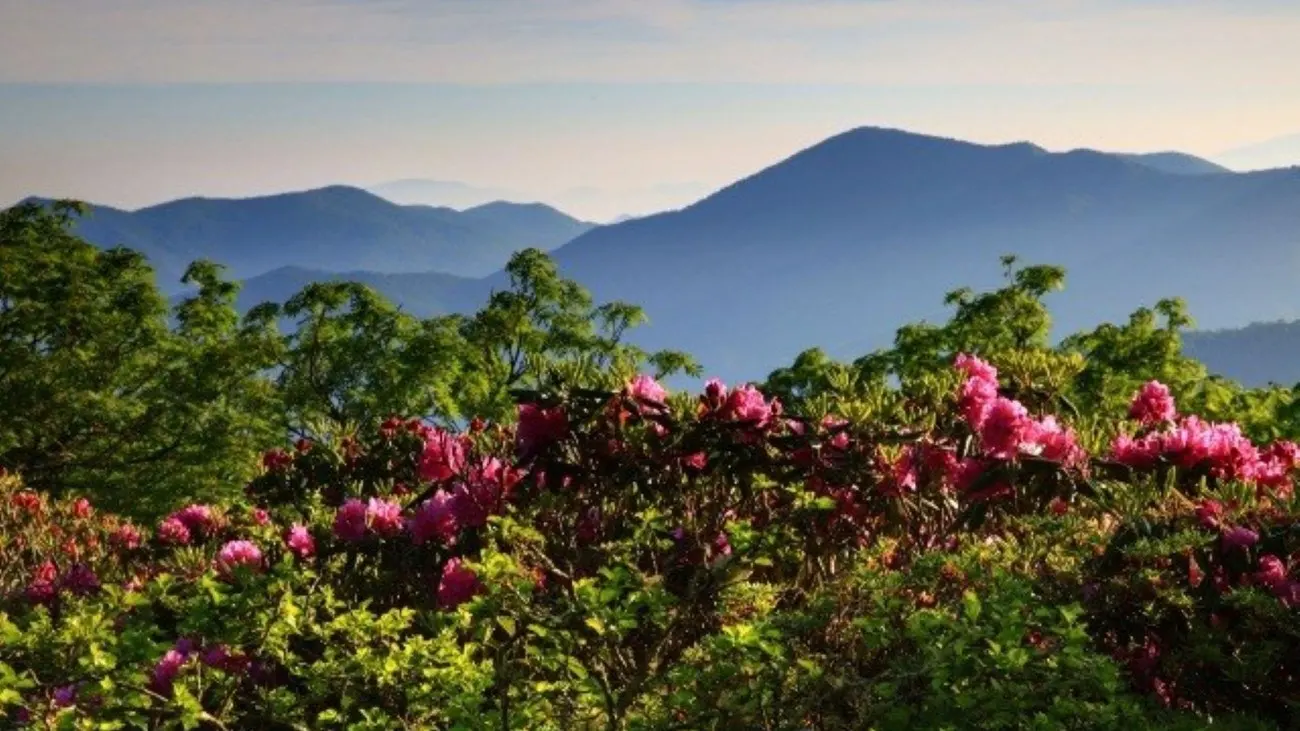
Spring brings wildflower carpets across the forest floor. April and May reward early risers with dogwood blooms and awakening wildlife. Fall explodes in reds and golds that photographers dream about. Summer? Brutal heat that starts early and doesn’t quit. Winter hiking stays doable but ice on granite creates serious hazards.
The rock itself formed deep underground millions of years ago. Magma cooled slowly, creating those coarse crystals you’ll grip while scrambling upward. Erosion eventually exposed this plutonic intrusion, leaving the resistant granite standing while softer rock around it washed away.
Wildlife varies by season but stays active year-round. Black bears love late summer berries. Deer browse the forest edges at dawn and dusk. Turkey vultures ride thermals near the summit, and hawks hunt from high perches. Rattlesnakes sun themselves on warm rock, though encounters remain rare.
Getting Ready
This trail punishes unprepared hikers. The forest section lulls you into false confidence before granite slabs demand everything you’ve got. Pack wrong, train poorly, or ignore weather warnings and you’ll regret it.
Pack These or Suffer:
- Hiking boots with sticky rubber soles (running shoes will fail you)
- Trekking poles for the steep stuff
- Wide-brim hat, quality sunglasses, SPF 50 minimum
- 3 liters of water per person (seriously)
- Trail mix, energy bars, electrolyte tabs
- Comprehensive first aid kit plus blister patches
- Headlamp with fresh batteries
- Waterproof shell (mountain weather changes fast)
Your legs need specific prep work. Regular gym sessions won’t cut it. Loaded backpack hikes, stair climbing with weight, and calf raises build the right muscles. Downhill sections destroy quads, so squats and lunges matter too. Start training 4-6 weeks before your attempt.
Mental game matters just as much. That exposed granite face intimidates experienced climbers. Heights bother you? Practice visualization. Picture yourself confidently moving across rock. Breathing exercises calm nerves when exposure kicks in. Remember—turning back shows wisdom, not weakness.
Weather checking becomes obsessive behavior before this hike. Thunderstorms kill people on exposed granite every year. Check three different forecasts. Watch radar. Cancel if storms threaten within 6 hours of your planned summit time. Wet granite turns into a skating rink instantly.
Retreat guests staying near Asheville get bonus flexibility. Schedule buffer days around your climb. Nothing ruins a wellness weekend like limping through yoga class with destroyed legs.
The Climb
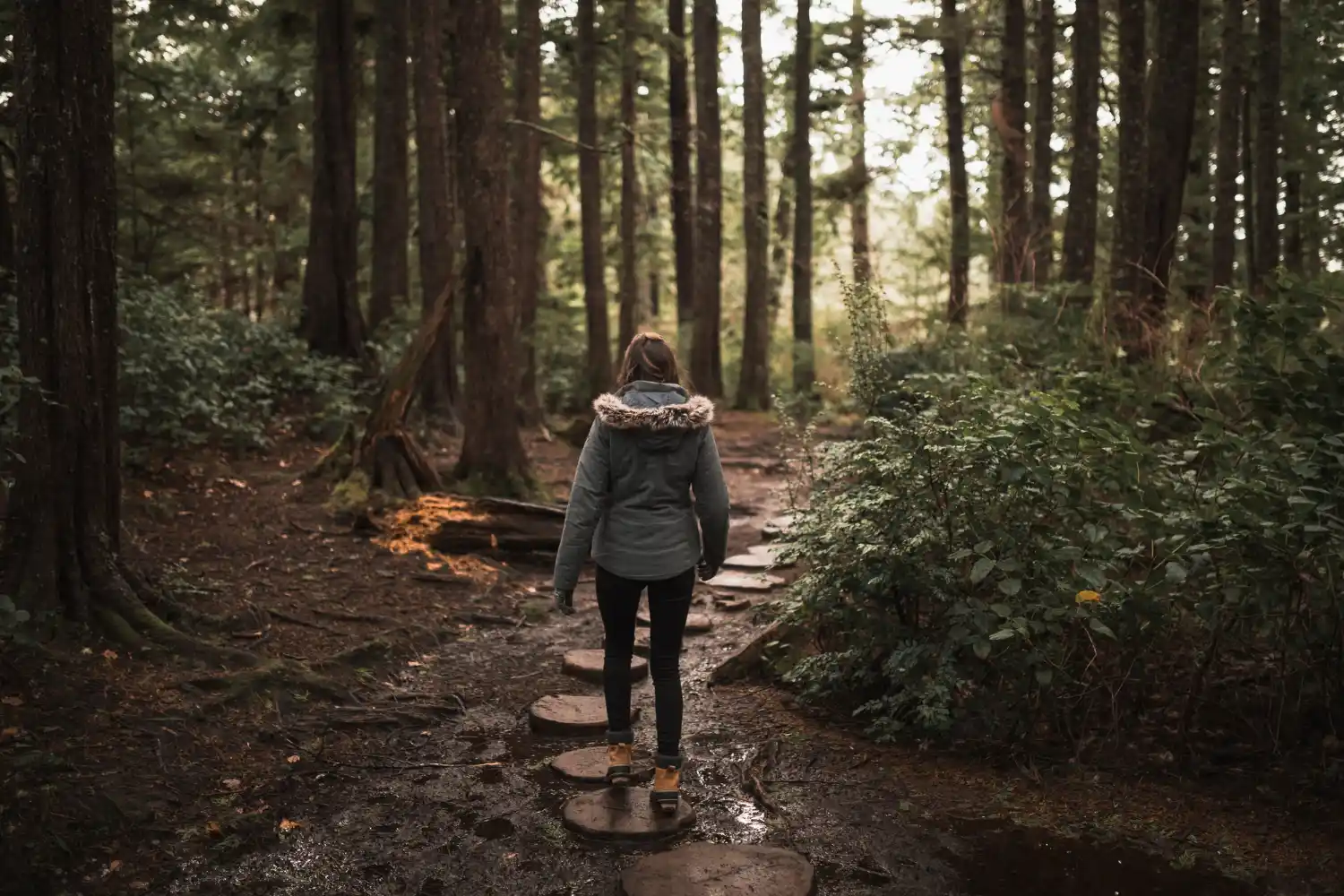
Parking fills fast at the Looking Glass Overlook trailhead on Blue Ridge Parkway mile marker 417. Arrive before 8 AM on weekends or circle endlessly looking for spots. The trail starts innocent enough through mixed hardwood forest. Oak, maple, and hickory create a canopy that filters sunlight into cathedral lighting.
Wooden bridges cross seasonal streams during spring snowmelt. These spots offer perfect photo ops and water refill chances. The forest stays relatively flat for the first mile, letting you warm up gradually and find your rhythm.
The Trail Breaks Down Like This:
- First mile: Easy forest walking, maybe 300 feet up (perfect warm-up)
- Mile 1 to 1.4: Real climbing starts, switchbacks get serious (800 feet gain)
- Mile 1.4 to summit: Granite nightmare/dream depending on your nerve (600 feet straight up)
- Summit zone: Hand-over-hand scrambling to the actual top
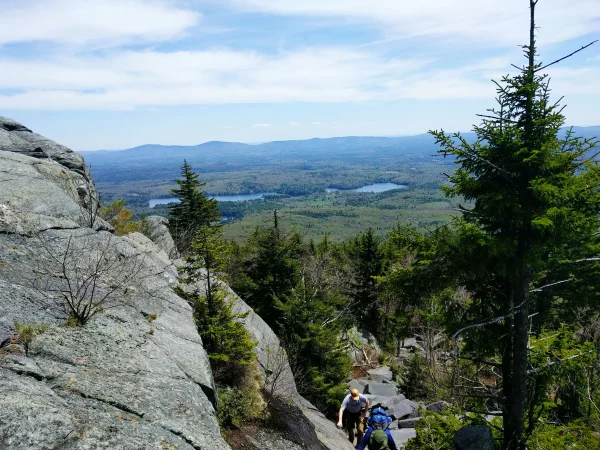
Around mile 1.4, everything changes. Trees vanish. The massive granite dome reveals itself in all its intimidating glory. This psychological shift breaks more hikers than the physical demands. Suddenly you’re exposed, vulnerable, committed to finishing what you started.
Granite demands different techniques than dirt trails. Rubber soles grip amazingly well on dry rock but become useless when wet. Follow the cairns (stacked rock markers) showing the safest route up. Don’t build your own—they confuse other climbers and damage the environment.
The final push tests your resolve. Hands become essential for balance and progress. The rock provides excellent grip points if you trust it. Take breaks often—not just for rest but to appreciate those expanding views. Exhaustion kills judgment, and judgment keeps you alive up here.
Summit views justify every burning muscle and pounding heart. Three-hundred-sixty-degree panoramas span multiple states on clear days. The Blue Ridge Parkway looks like a pencil line far below. Pisgah National Forest stretches endlessly in every direction. You’ll understand why people become addicted to this punishment.
On clear mornings, visibility extends into South Carolina and Georgia. Table Rock’s distinctive profile dominates the southeastern horizon. Grandfather Mountain’s mile-high peaks pierce northern skies. The French Broad River winds through valleys like a silver ribbon. These moments of clarity make the suffering worthwhile—pure reward for your effort and courage.
More Adventures Nearby
Looking Glass Rock just starts your Blue Ridge exploration. The area packs incredible diversity into a small geographic region. Sliding Rock sits 15 minutes away—a natural granite water slide ending in a deep swimming hole. Perfect for cooling off those overworked muscles.
Moore Cove Falls offers gentler hiking for recovery days. The 1.4-mile trail leads to a 50-foot waterfall you can walk behind. Easy enough for kids but scenic enough for serious photographers.
Other Local Highlights:
- Sliding Rock: 60-foot natural water slide (15 minutes away)
- Moore Cove Falls: Walk-behind waterfall hike (20 minutes)
- Blue Ridge Parkway drives: Endless scenic overlooks
- Asheville breweries: Well-earned post-hike rewards
The combination of challenging outdoor adventures with wellness retreat programming creates something special. Push your limits on granite, then recover with professional massage or guided meditation. This balance addresses both physical accomplishment and spiritual renewal.
Photography opportunities multiply throughout the region. Golden hour transforms granite into glowing sculpture. Seasonal changes create completely different compositions from identical viewpoints. Waterfalls freeze into ice sculptures during winter months.
Wildlife photographers find exceptional subjects throughout the year. Bear cubs tumble through spring meadows. Migrating warblers create colorful displays during April and September. Autumn brings elk bugling in nearby valleys. Patient photographers often capture rare species like bobcats, river otters, and the occasional black bear family teaching cubs to forage.
Planning from Wheel of Bliss
Wheel of Bliss retreat accommodations put you 45 minutes from Looking Glass Rock and dozens of other hiking destinations. This proximity lets you balance challenging adventures with recovery time.
Many guests prefer morning hikes followed by afternoon spa treatments. The combination works perfectly—physical challenge followed by professional recovery support. Retreat staff often provide weather updates and local trail conditions to optimize your timing.
Smart Scheduling Approach:
- Day 1: Arrive, gentle walks, acclimate to elevation
- Day 2: Looking Glass Rock assault, afternoon massage
- Day 3: Recovery hiking or water activities
- Day 4: Reflection time, departure prep
Transportation stays simple from retreat locations. Most trailheads sit within an hour’s drive. No need for overnight gear or complicated logistics. Focus energy on the hiking itself rather than travel planning.
Combining outdoor challenges with retreat programming addresses multiple wellness dimensions simultaneously. Physical accomplishments build confidence. Guided relaxation practices help integrate insights gained during challenging moments on the trail.
The synergy between physical challenge and mental restoration creates lasting benefits. Many retreat guests report increased self-confidence months after conquering granite faces that initially seemed impossible. The mountain teaches lessons about persistence, fear management, and personal limits that extend far beyond hiking. These insights deepen through post-adventure reflection sessions and guided meditation practices offered at quality retreat centers.
FAQ
What's the best season for hiking Looking Glass Rock?
Late spring through early fall provides optimal conditions. Summer visits require early morning starts due to heat and afternoon thunderstorms.
How long does the hike typically take?
Most hikers complete the 3.2-mile roundtrip in 3-4 hours, including rest stops and time at the summit. Allow extra time for photography and route-finding on granite sections.
What safety concerns should hikers know about?
The exposed granite becomes extremely slippery when wet, creating serious fall hazards. Weather can change rapidly, making thunderstorm awareness critical for safety.
Are there facilities available at the trailhead?
The parking area offers basic amenities but no restrooms or water sources. Hikers should arrive prepared with all necessary supplies and plan accordingly.