You’re staring at an email you’ve read four times without absorbing a single word. Somewhere between the third meeting and the fifteenth Slack notification, you stopped feeling like yourself. If this sounds familiar, you’re not alone in searching for how to recover from burnout, and recovery is absolutely possible for those figuring out how to recover from burnout while still working.
Key Takeaways:
- Burnout manifests through emotional exhaustion, detachment, and declining performance. Recognizing these signs of burnout at work early speeds up recovery
- Small daily micro-recoveries create cumulative healing effects even when you can’t take extended time off
- Nature and disconnection from technology rank among the most effective burnout interventions
- Professional support and structured retreats can dramatically shorten recovery timelines
- Real recovery addresses root causes, not symptoms alone. Otherwise burnout returns within weeks
What Burnout Actually Feels Like
Burnout goes far beyond feeling tired after a long week. It’s a chronic state of depletion that affects your body, mind, and spirit in ways that a good night’s sleep can’t fix.
The signs of burnout at work usually show up in three distinct patterns. Emotional exhaustion hits first. You feel drained before the workday even begins, and coffee stopped helping weeks ago. Weekends don’t restore you anymore.
Cynicism and detachment creep in next. Tasks you once enjoyed now feel utterly meaningless. You catch yourself mentally checking out during meetings, wondering why any of it matters.
Reduced effectiveness completes the picture. Your productivity drops even as you work longer hours. Simple decisions feel overwhelming and mistakes multiply. This isn’t laziness. It’s your brain running out of fuel.
Physical symptoms accompany these mental changes too. Headaches, sleep disorders, digestive troubles, muscle tension, and frequent colds signal that your immune system has taken a serious hit.
Why Quick Fixes Don’t Work
You probably didn’t burn out overnight, and you won’t recover from burnout overnight either. That vacation you’ve been dreaming about might help temporarily, but returning to the exact same conditions that depleted you will land you back in crisis mode within weeks.
Real recovery requires addressing root causes, not just treating symptoms alone. Think of it like a leaky roof. You can keep putting buckets under the drips, but until you fix the roof, you’ll never stop mopping up water.
The Power of Micro-Recovery
When people ask how to recover from burnout while still working, micro-recovery becomes critically important. These small restoration practices scattered throughout your day create a cumulative protective effect.
Most advice tells you to take walks and breathe deeply. Those help, but let’s go further with these micro-recovery techniques.
- The two-minute reset. Between tasks, close your eyes and focus on three distinct sounds around you.
- Desk anchor object. Keep something unrelated to work nearby and spend 30 seconds just looking at it when stress peaks.
- Temperature grounding. Step outside and feel the air on your skin for 60 seconds without checking your phone.
- Mindful coffee ritual. Take your first three sips without doing anything else, no screens, no reading.
- Transition walks. Walk for just two minutes between meetings, even if it’s around your office or home.
Studies show that employees who take regular micro-breaks report lower fatigue levels than those who power through. The breaks don’t need to be long. They just need to be real moments of true disconnection from work demands.
Boundaries That Actually Stick
“Set better boundaries” has become such common advice that it’s almost meaningless. So let’s get specific.
Start with one firm boundary. Maybe it’s no email after 7 PM. Perhaps it’s defending your lunch hour three days per week. Pick one boundary you can realistically maintain.
The key is making that boundary concrete and communicating it clearly. Saying “I’ll be more protective of my time” is too vague. Saying “I don’t respond to non-urgent messages on weekends” gives everyone a clear expectation.
Expect pushback and internal resistance. The first week feels uncomfortable. By week three, that anxiety usually fades. By week six, you’ll wonder why you ever lived without this boundary.
Sleep as Medicine

Sleep deprivation and burnout feed each other in a vicious cycle. When you’re exhausted, your body produces more stress hormones. Those hormones disrupt your sleep. Poor sleep increases exhaustion the next day. Round and round it goes.
Breaking this cycle requires treating sleep like prescription medication. Fixed bedtime every night, even on weekends. The bedroom is reserved for sleep only. Screens are banished at least an hour before bed.
Some people need professional help resetting their sleep patterns. Cognitive behavioral therapy for insomnia has strong evidence behind it and doesn’t require medication. A sleep specialist can identify problems you might not realize you have.
The Healing Power of Green Spaces
Spending time in natural environments speeds up recovery from stress in ways that might sound too simple to be true. The research is well-documented.
Japanese researchers have studied “forest bathing” extensively. Their findings show that just two hours in a forest setting reduces cortisol levels, lowers blood pressure, and boosts immune function. These effects persist for days afterward.
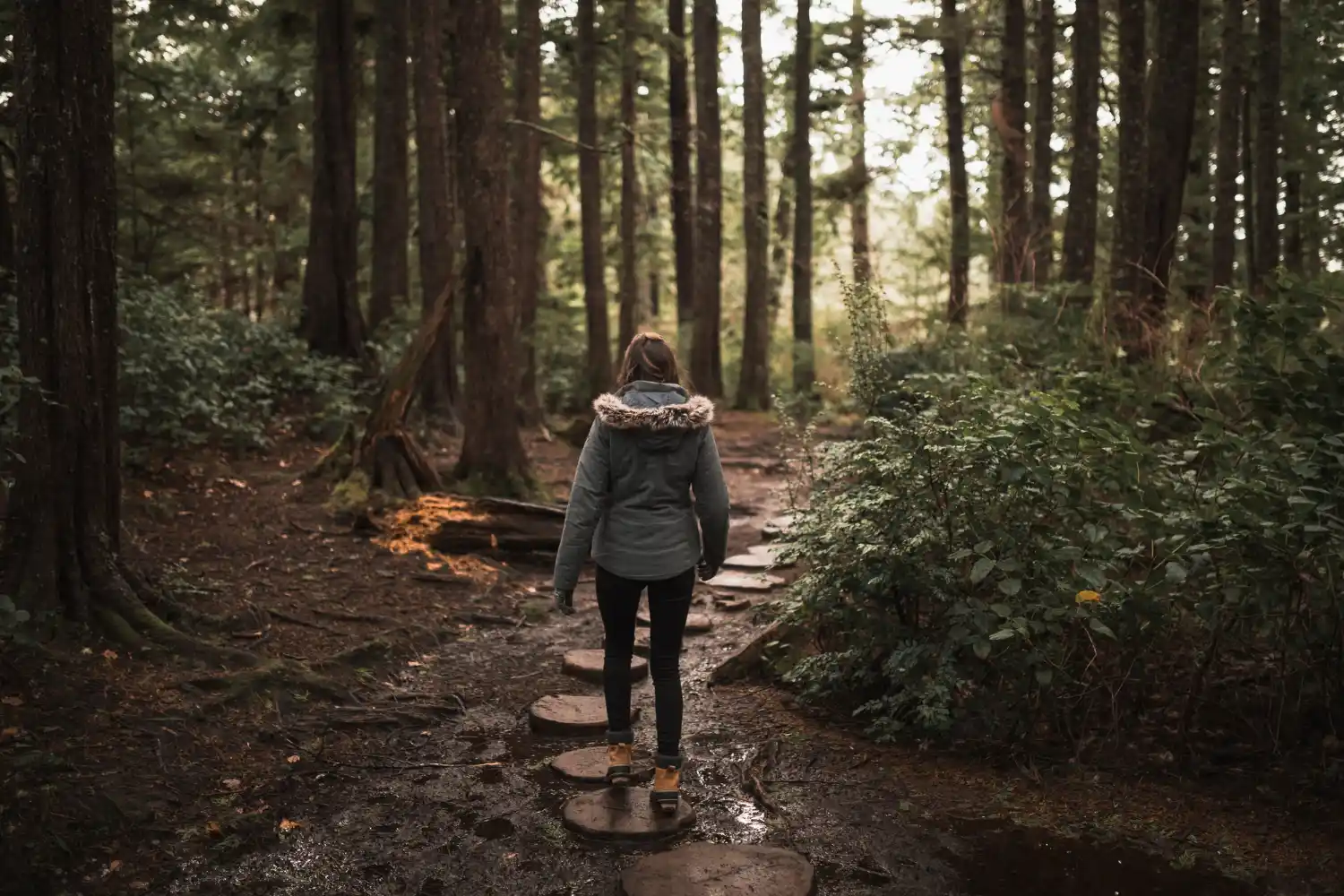
You don’t need a wilderness expedition. A local park works. A botanical garden works. Even a tree-lined street offers measurable benefits. For deep burnout recovery, extended time in nature matters more than quick visits.
The Case for Complete Disconnection
Most burnout traces back to chronic overwhelm and a complete lack of true recovery time. Emails ping during dinner. Slack notifications interrupt weekends. The boundary between work and rest has nearly disappeared.
Complete digital disconnection produces powerful results even when it only lasts a short period. No email. No social media. No constant news cycle.
This disconnection feels uncomfortable at first. Anxiety spikes. You feel phantom phone vibrations. Then something unexpected happens. Your nervous system starts regulating differently. Thoughts slow down. You notice your surroundings more vividly than you have in months.
What Recovery Actually Looks Like
How to recover from burnout doesn’t follow a universal formula. But knowing what to expect helps you stay committed.
| Timeframe | What to Expect |
| Weeks 1-2 | You’ll feel worse before you feel better. As you start resting more, suppressed exhaustion surfaces. This is normal. |
| Month 1 | Energy returns in small pockets. You might have a good afternoon or wake up feeling slightly less drained. |
| Month 3 | The fog starts lifting consistently. Decision-making feels less exhausting. Interest in activities slowly returns. |
| Month 6+ | For severe burnout, this is when sustainable recovery takes hold. New habits feel automatic, not forced. |
Professional Support Speeds Recovery
Trying to recover from burnout entirely on your own extends the timeline unnecessarily. A skilled therapist helps identify thought patterns and behaviors that contributed to your burnout.
Structured retreat experiences offer something different but equally valuable. Removing yourself from your everyday environment allows deeper restoration than weekend self-care performed in the same spaces where you burned out.
A Space Built for Recovery

Imagine waking to the sound of a mountain stream, not your alarm. No phone buzzing. No inbox waiting. Just birdsong filtering through ancient trees and clean mountain air filling your lungs.
The Wheel of Bliss sits on 63 acres of mountain land near Hot Springs, North Carolina, surrounded by the National Forest. The Celestial Center yurt holds space for meditation and stillness. The Sacred Mountain Sanctuary offers wooded trails where the only notification is wind through leaves.
Originally rooted in Tibetan Buddhist tradition, the center now welcomes anyone seeking genuine rest. No phones. No schedules unless you want them. Just streams, waterfalls, and the kind of silence that lets your nervous system finally exhale.
FAQ
Can you recover from burnout without quitting your job?
Yes, many people successfully learn how to recover from burnout while still working. It requires strict boundaries, micro-recovery practices, and reducing your workload temporarily. If your work environment actively prevents recovery, a bigger change might eventually become necessary.
What's the difference between burnout and depression?
Burnout is specifically tied to chronic work-related stress. Depression affects all areas of life. The symptoms overlap considerably. Prolonged burnout can turn into clinical depression over time. A mental health professional can help clarify the distinction.
Are wellness retreats actually effective for burnout recovery?
Research supports retreat effectiveness for stress reduction and burnout recovery. The combination of environmental change, structured practices, and social support creates conditions that quicken healing beyond what most people achieve at home.
What are the first steps I should take if I think I'm burned out?
Start by acknowledging what you're experiencing, not pushing through. Assess your sleep, nutrition, and basic self-care. Identify one boundary you can implement this week. Consider if you need professional support. Look honestly at your circumstances and ask if they allow for recovery.