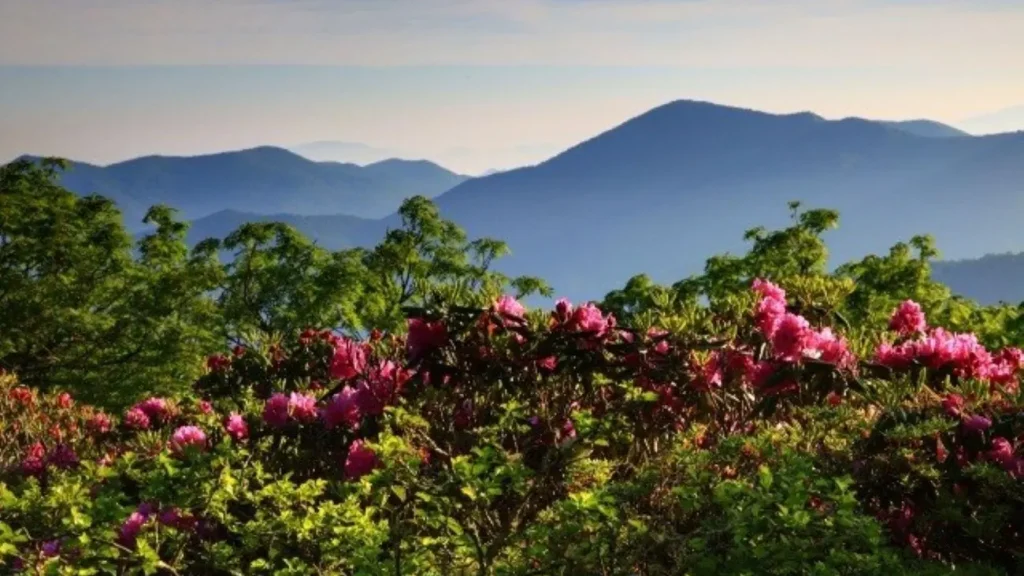
Far from city chaos, the Andean Mountains pierce the South American sky, creating pockets where stress dissolves and clarity emerges. More than just stunning geography, these ancient peaks invite you to drop into a deeper relationship with yourself and the natural world. For centuries, mountain dwellers have tapped into the quiet power of these heights, developing practices that now draw seekers from across the globe. The blend of jaw-dropping landscapes and rich Andean culture creates the perfect laboratory for inner exploration.
The Andean Mountains: An Overview
The Andean Mountains snake along South America’s western edge for 4,300 miles, cutting through seven countries from Venezuela to Argentina. This massive spine creates wildly diverse ecosystems:
- Snow-capped peaks that pierce clouds
- Misty, moss-draped cloud forests
- High-altitude plateaus where the air thins and horizons expand
Argentina’s Aconcagua tops the list at 22,837 feet – the highest point in both the Western and Southern Hemispheres. Not far behind, Peru’s Huascarán reaches 22,205 feet, anchoring the breathtaking Cordillera Blanca. These giants aren’t just pretty faces; they’ve shaped everything from weather patterns to human settlements since time immemorial.
Cultural Importance
The Andes mountains didn’t just watch history unfold – they actively shaped it. The Incas, perhaps the most famous mountain civilization, built stone marvels that still leave engineers scratching their heads. Their architectural precision and astronomical alignment speak to a profound connection with their vertical world.
Walk through any highland village today, and you’ll hear Quechua or Aymara conversations floating on the breeze. Watch closely as local hands weave stories into textiles using techniques passed down through countless generations. These aren’t museum pieces – they’re living traditions that carry forward a fundamental message: humans thrive when they honor their place in nature’s grand design.
The Call to Mindfulness: Why the Andes?
Ever noticed how your mind quiets when faced with something truly vast? That’s the Andes effect. Imagine standing at Lake Titicaca’s edge, where water meets sky in a seamless blue embrace. Or picture yourself walking ancient paths through Peru’s Sacred Valley, where terraced fields climb impossibly steep slopes and the Urubamba River cuts through far below.
Your brain can’t help but downshift. The constant mental chatter fades when confronted with such raw beauty. Without even trying, you slip into a more contemplative gear – exactly what mindfulness practitioners spend years attempting to achieve through meditation.
The mountains work their magic in other ways, too:
- Absence of digital distractions
- Clean mountain air that energizes body and mind
- Natural quiet that allows subtle sounds to emerge
- Slower pace that invites presence instead of rushing
Spiritual Legacy
Andean spirituality flips our modern perspective on its head. While we often see mountains as things, Andean peoples recognize them as beings – conscious entities called Apus who watch over communities and deserve respect. This shift alone yanks you into mindfulness, as you suddenly become aware that you’re not just walking on dirt and rock but relating to a living presence.
The concept of “ayni” (sacred reciprocity) forms the backbone of mountain spirituality. Nothing is taken without giving back; every interaction becomes a conscious exchange. When you drink from a spring, you leave an offering. Before climbing a peak, you ask permission. This constant awareness of give-and-take naturally pulls you into present-moment consciousness.
Andean Spiritual Practices: Pathways to Inner Peace
Traditional Ceremonies
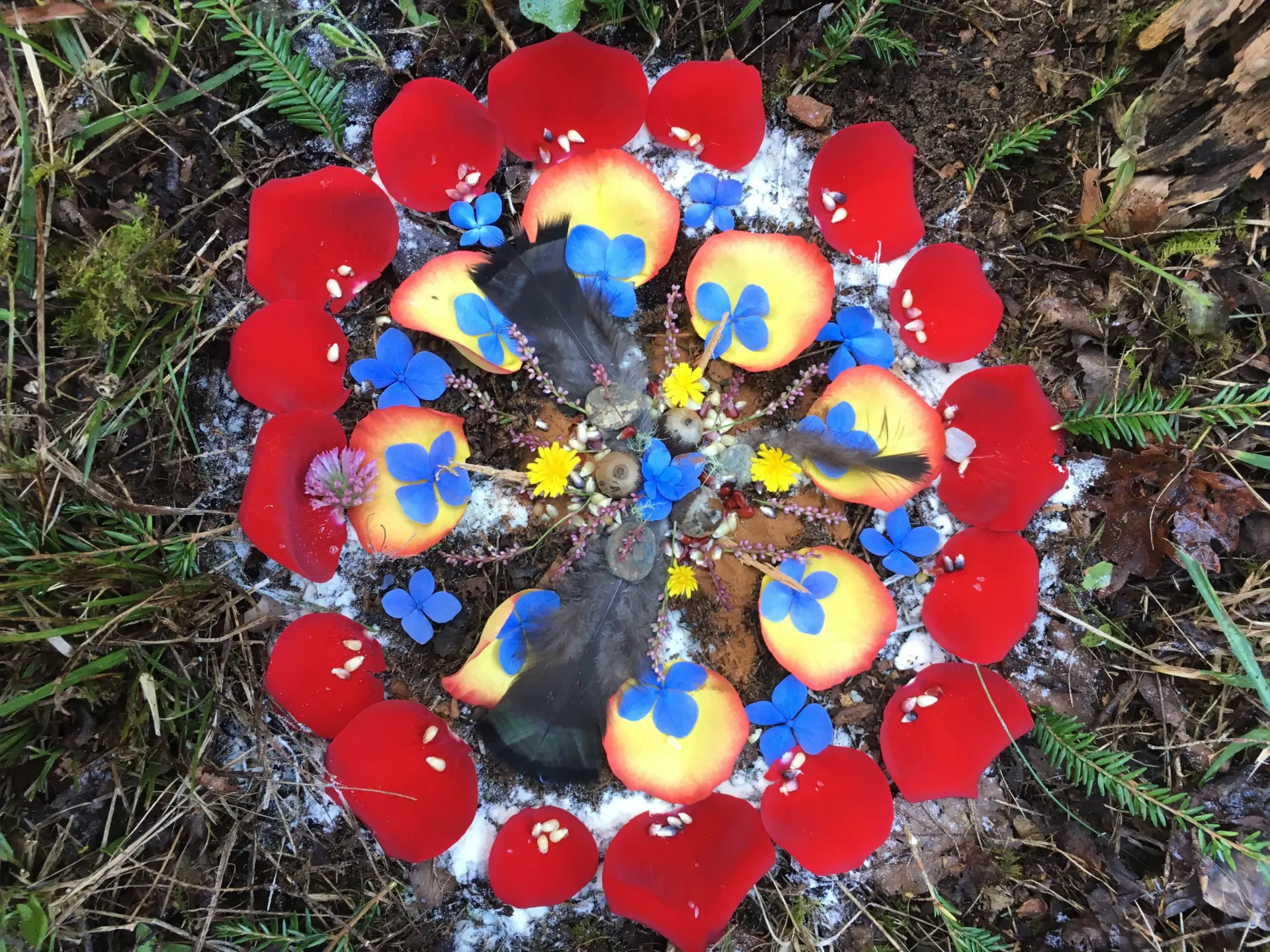
At the heart of Andean traditions and rituals lie ceremonies that acknowledge the sacred in everyday life. Creating a “despacho” ranks among the most common practices – a carefully arranged offering containing symbolic items wrapped in paper and either burned or buried. Think of it as cosmic composting, where your prayers and intentions feed the greater good.
What goes into a typical despacho?
- Coca leaves represent the three worlds (upper, middle, lower)
- Flowers and seeds symbolize growth and potential
- Sweets to express gratitude for life’s pleasures
- Personal items carrying your specific intentions
Spiritual leaders called “paqos” guide these ceremonies, but don’t picture new-age gurus in flowing robes. These are often ordinary-looking folks who’ve undergone rigorous training to work with subtle energies. Unlike Western approaches that separate physical and psychological healing, paqos address the whole person by restoring harmony between the individual and the environment.
Festivals and Rituals
Cusco erupts with color each June during Inti Raymi, when thousands gather to honor the sun deity during the winter solstice. The ancient fortress of Sacsayhuamán transforms into a massive outdoor theater where participants don’t just watch but actively generate collective energy through synchronized movement and intention.
High in the glaciers below Mount Ausangate, the lesser-known Qoyllur Rit’i draws pilgrims who dance through freezing nights at 16,000 feet. This fusion of Catholic and indigenous traditions creates a unique container for mindfulness as participants navigate physical challenges while maintaining spiritual focus.
These aren’t mere cultural performances – they’re living laboratories for communal mindfulness where participants drop into states of flow and presence that transcend individual experience.
Modern Mindfulness Retreats in the Andes
Yoga and Meditation Centers
Contemporary retreat centers have sprung up throughout the Andes, creatively blending traditional knowledge with modern practices. At the Retreat House, visitors flow through yoga poses on platforms overlooking sacred valleys – the mountains themselves becoming teachers of stability and strength.
These centers often offer experiences you won’t find in urban studios:
- Meditation walks along ancient Inca trails
- Silent retreats in remote mountain cabins
- Soundscape meditation capturing rushing waterfalls and wind through high-altitude grasses
- Breathing techniques specially developed for thin mountain air
The altitude itself becomes a mindfulness tool, forcing conscious breathing and slower movement – you simply can’t rush at 12,000 feet.
Healing Ceremonies
Some retreats incorporate traditional plant medicine ceremonies under careful guidance. When approached with respect rather than curiosity-seeking, these experiences can crack open new dimensions of awareness. Participants often report connecting with the intelligence of the mountains themselves during these carefully held rituals.
Beyond plant medicine, retreats might offer:
- Sweat Lodge ceremonies that use steam and darkness to focus awareness
- Sound healing with Andean instruments like the charango and quena
- Energy work drawing on concepts of the human luminous field
- Coca leaf readings that provide insights into life patterns
These practices share a common goal: clearing energetic blockages so mindfulness can arise naturally rather than through forced concentration.
Journey of Self-Discovery
The combination of altitude, beauty, and ancient practice creates perfect conditions for breakthrough insights. Many report moments where everything suddenly clicks – perspectives shift, emotional burdens lift, and clarity emerges.
Some find transformation while hiking ancient paths, where physical exertion plus magnificent vistas produce states of flow. Others experience profound connection during ceremonies, feeling direct communion with mountain spirits. These aren’t just pleasant vacation memories – they often catalyze lasting life changes.
Common breakthroughs include:
- Reconnecting with personal purpose
- Releasing long-held trauma stored in the body
- Discovering inner resources previously untapped
- Shifting relationship with time and urgency
Practical Tips for Embracing Mindfulness in the Andes
Planning Your Visit
Do your research when seeking authentic mindfulness experiences in the Andes. Look for retreats with deep connections to local communities rather than those offering spiritual tourism lite. The Secluded Mountain Sanctuary stands out for its integration with local traditions and respectful approach to indigenous practices. Check if programs employ indigenous teachers and direct resources back to local economies.
Participating in ceremonies carries responsibilities:
- Learn basic phrases in local languages
- Dress modestly during ceremonial occasions
- Ask permission before photographing sacred sites
- Bring appropriate offerings (coca leaves, flowers, small gifts)
The real test comes after you’ve left the mountains behind. How do you carry that clarity into daily life? Create a simple altar with elements representing mountains, perhaps incorporating stones collected (with permission) during your travels. Establish a daily gratitude practice honoring Pachamama by acknowledging gifts from the earth.
The Enduring Mountain Magic
The Andean Mountains offer more than Instagram-worthy vistas – they provide a living laboratory where nature’s magnificence combines with ancient wisdom to create perfect conditions for mindfulness. Here, amid towering peaks and hidden valleys, you’ll discover pathways to inner peace through practices refined over centuries.
When you visit these mountains, you’re stepping into landscapes where the boundary between the physical and the spiritual naturally dissolves. Whether through traditional ceremonies, sunrise yoga, or simply sitting quietly beside alpine lakes, the Andes actively participate in creating transformative experiences that continue working in you long after you’ve descended to lower elevations.