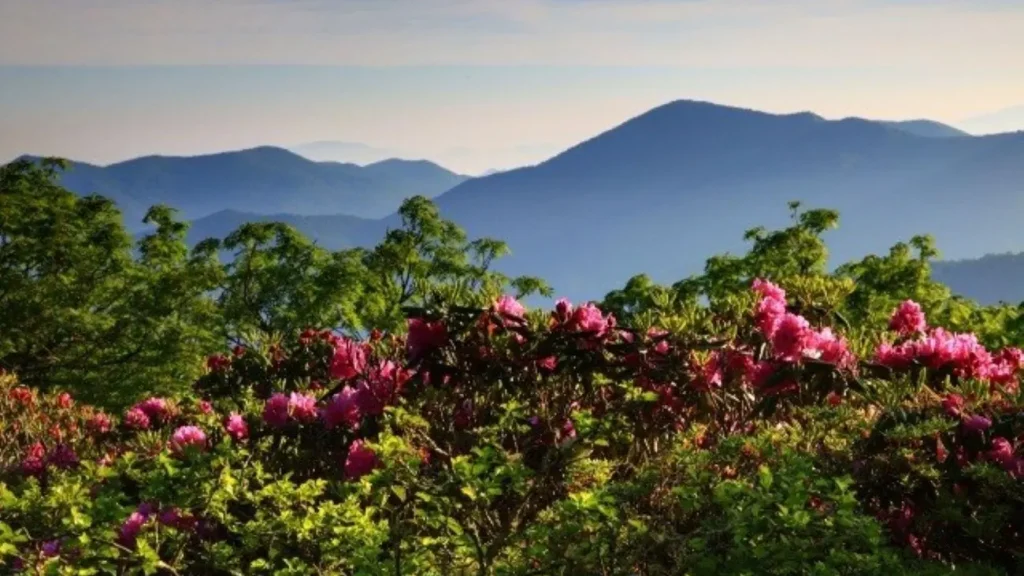
The Black Balsam Knob summit sits at 6,214 feet, offering one of the rare treeless mountain balds where sky meets earth without obstruction. This black balsam knob hike provides an accessible path to elevated perspectives—both physical and spiritual. The black balsam knob trail serves as a natural extension for those seeking to deepen their meditation practice beyond the walls of traditional retreat spaces. Mountain balds create conditions that support inner work: exposure that demands presence, silence punctuated only by wind, and vistas that naturally expand awareness.
Key Takeaways
- Short but spectacular: The round-trip hike spans just 1.4 miles with 350-400 feet of elevation gain, taking 45 minutes to an hour for most hikers
- Treeless summit: This mountain bald provides unobstructed panoramic views, unlike typical forested peaks, creating an open-sky experience perfect for sunrise or sunset meditation
- Year-round accessibility: While open all seasons, plan around Blue Ridge Parkway closures in winter and expect temperatures 15-20 degrees cooler than valley towns
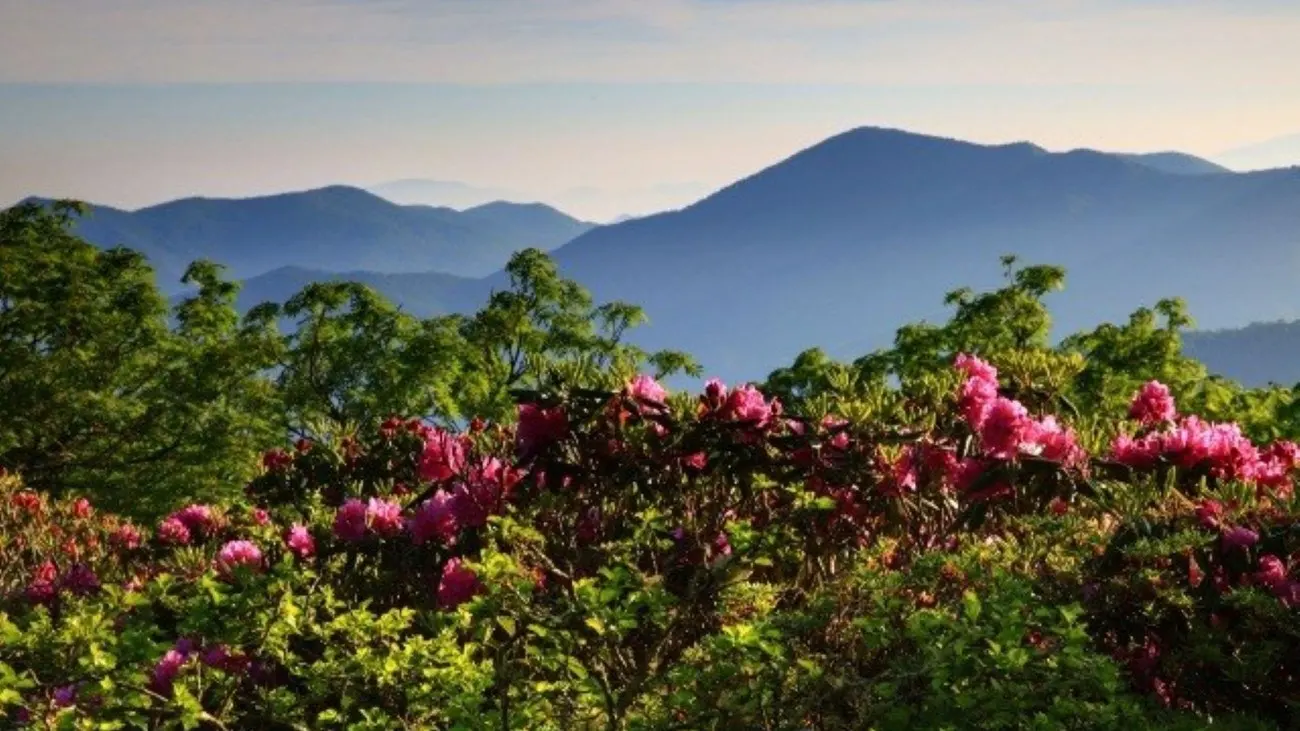
- Natural abundance: Wild blueberries and blackberries ripen in summer; rhododendrons bloom late May through early June; fall colors peak in early October at this elevation
- Gateway to deeper wilderness: The trailhead connects to the Art Loeb Trail system and Shining Rock Wilderness, offering extended adventures for those seeking multi-day immersion
- Mindful hiking opportunity: The exposed terrain and sweeping views create an ideal setting for walking meditation practices and contemplative nature connection
Finding Your Way to the Trailhead
The trailhead connects via Mountain Parkway access. Follow parkway routes south, watching for the designated forest service road that leads to the trail access point. Parking appears along the roadside where other vehicles gather.
A secondary parking option with facilities exists further up the road for those seeking a quieter approach. Cell service remains limited at this elevation, making advance preparation wise.
The Trail Experience: Rocky Path to Open Sky
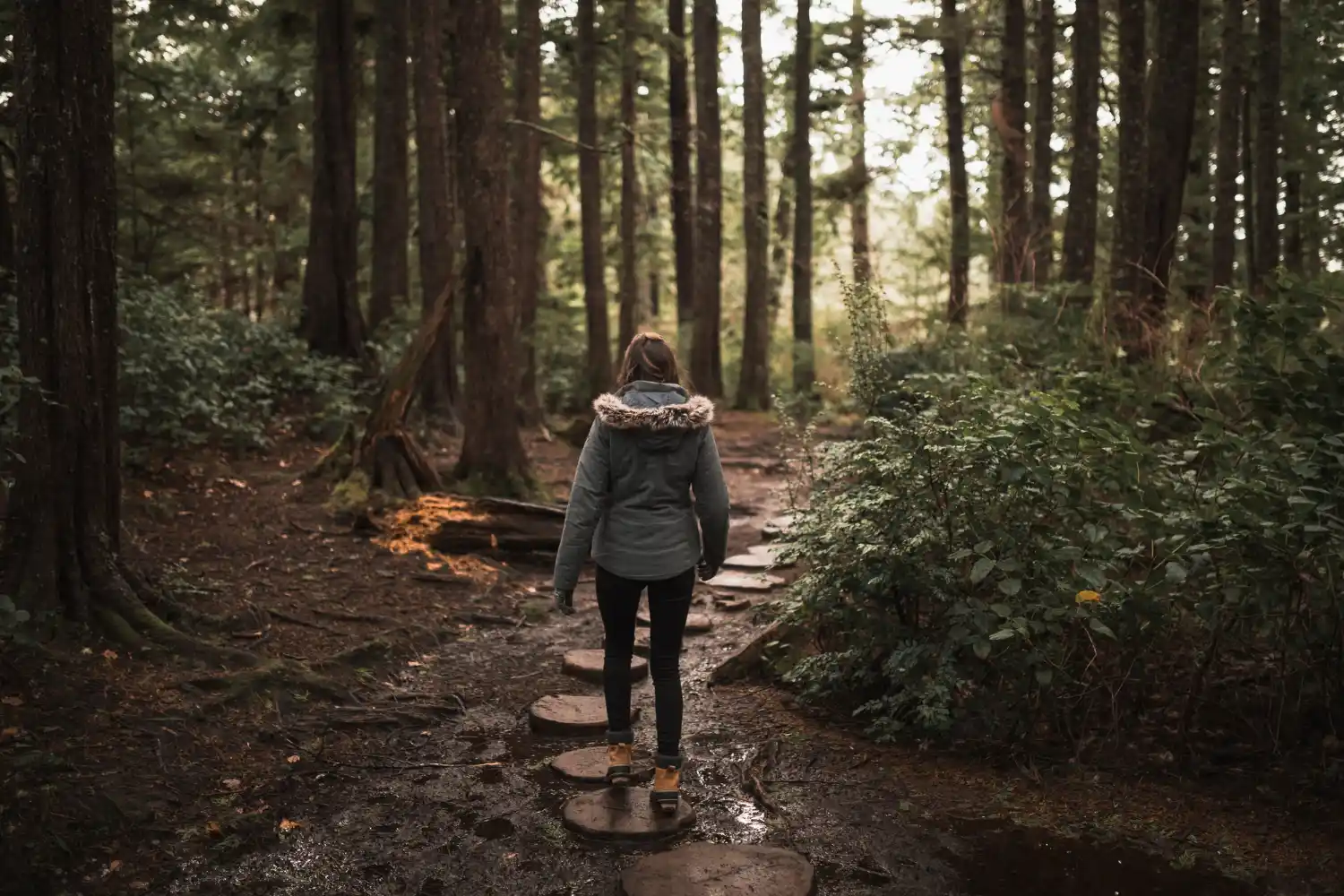
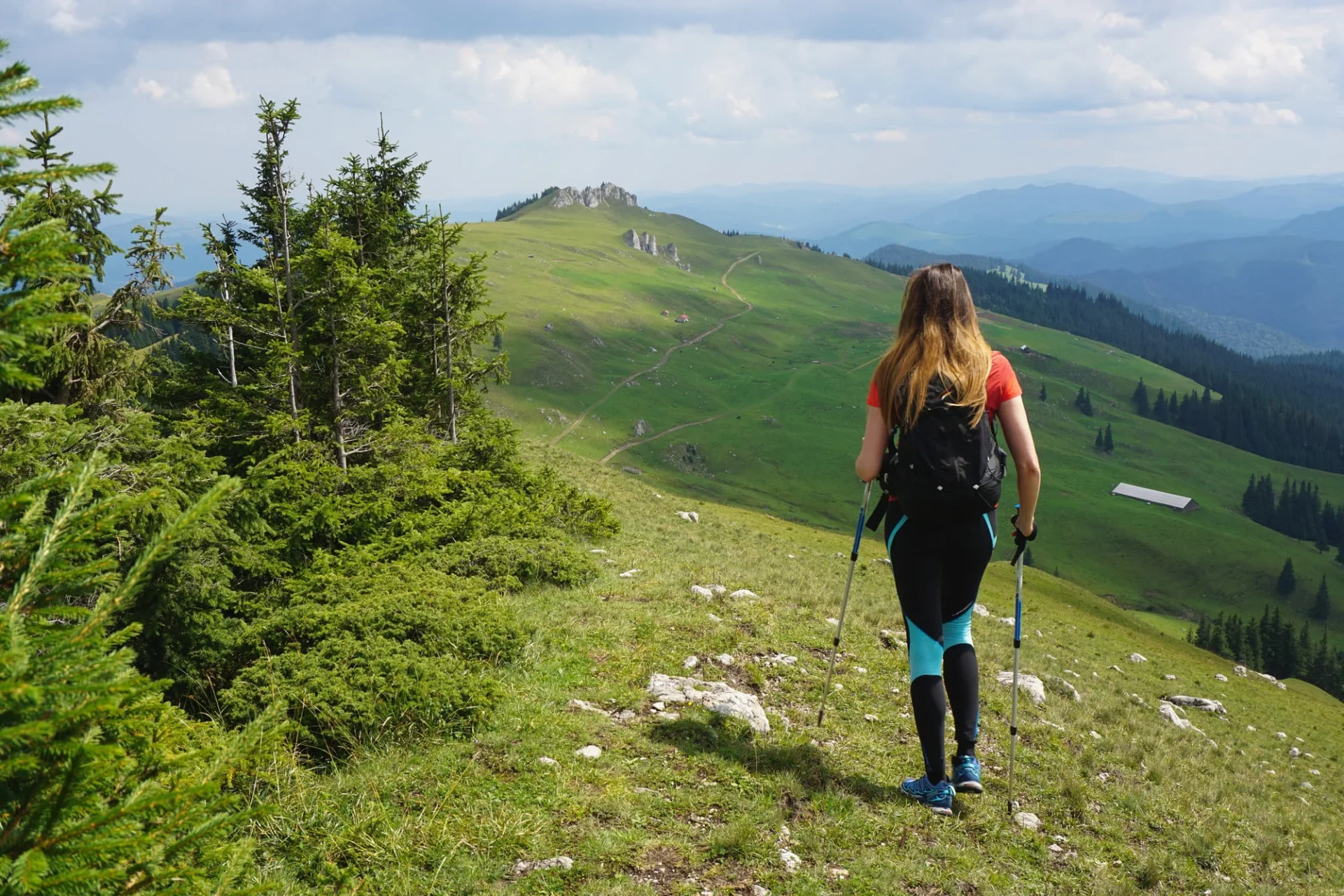
The trail begins through fragrant evergreen corridors before opening to exposed mountain terrain. This forested section provides brief shelter before revealing the characteristic openness of the bald summit. Rocky sections require attention but no technical skills. The transition from shade to sunlight marks a threshold—many hikers pause here naturally, sensing the shift from enclosed to expansive.
Wildflowers color the grassy slopes throughout the warmer months. The path climbs steadily over stone outcrops, each rise bringing expanded vistas. Walking becomes rhythmic meditation when you match breath to steps. The mountain asks for nothing except your attention to the present moment—where your foot lands, how your body responds to elevation, which way the wind moves across open ground.
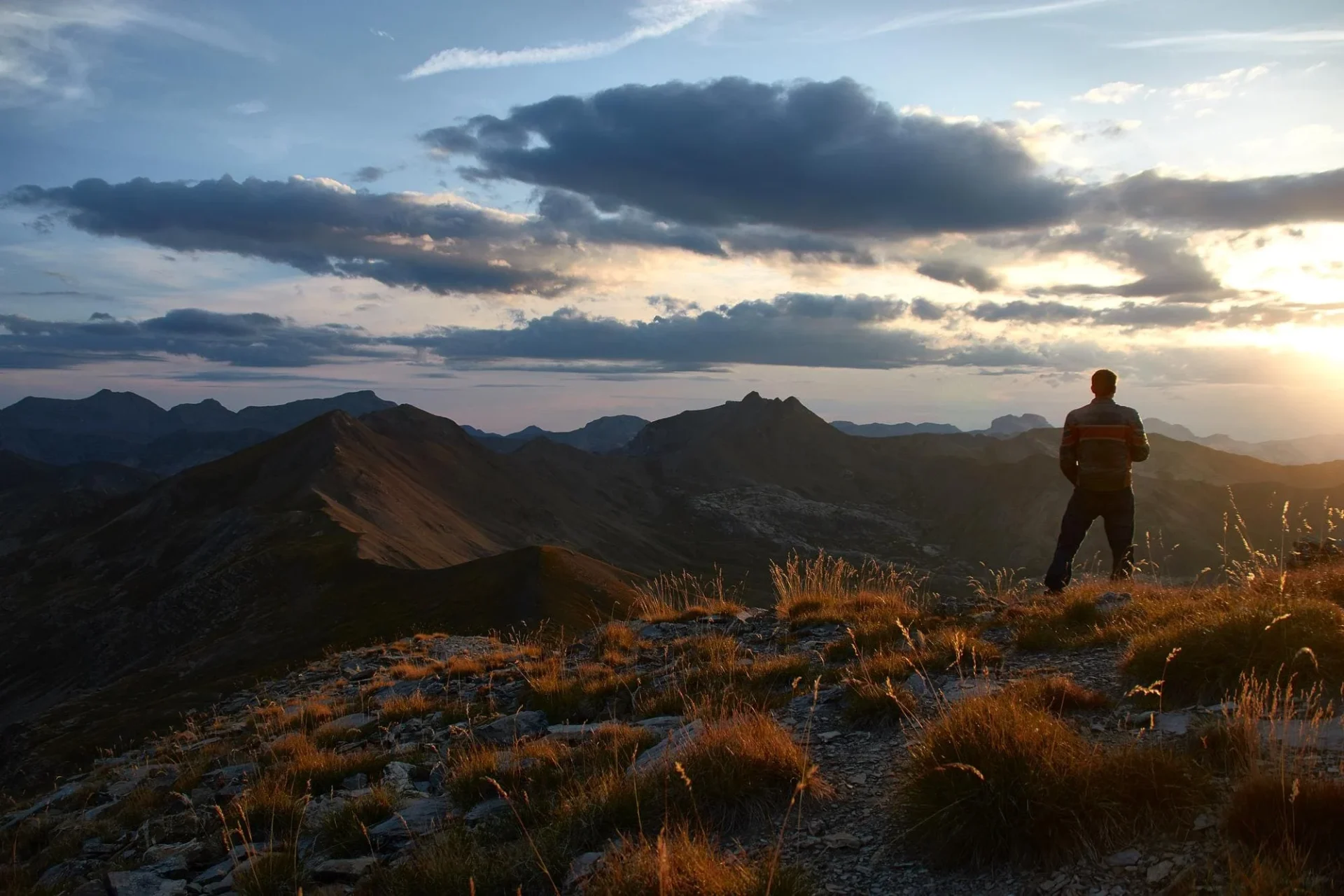
At roughly three-quarters of a mile, you reach the summit—no markers needed, just the unmistakable feeling of standing at the mountain’s crown. The grasses here grow low and wind-shaped. Sky dominates. Your perspective shifts from looking at mountains to standing among them as an equal participant in the natural world.
Panoramas That Silence the Mind
The summit delivers complete visual freedom. Mountains extend in every direction, layering toward distant horizons. On clear days, the view reaches far beyond immediate peaks into vast wilderness. This openness affects consciousness directly—the usual mental boundaries soften when external boundaries disappear.
The sky dominates this elevation. Clouds move with visible speed, their shadows racing across slopes. Weather transforms rapidly—morning sun can yield to afternoon storms within hours. Dawn and dusk bring the most dramatic light, setting grasses ablaze with color. Many practitioners choose these transition times deliberately, using the changing light as a mirror for meditation on impermanence.
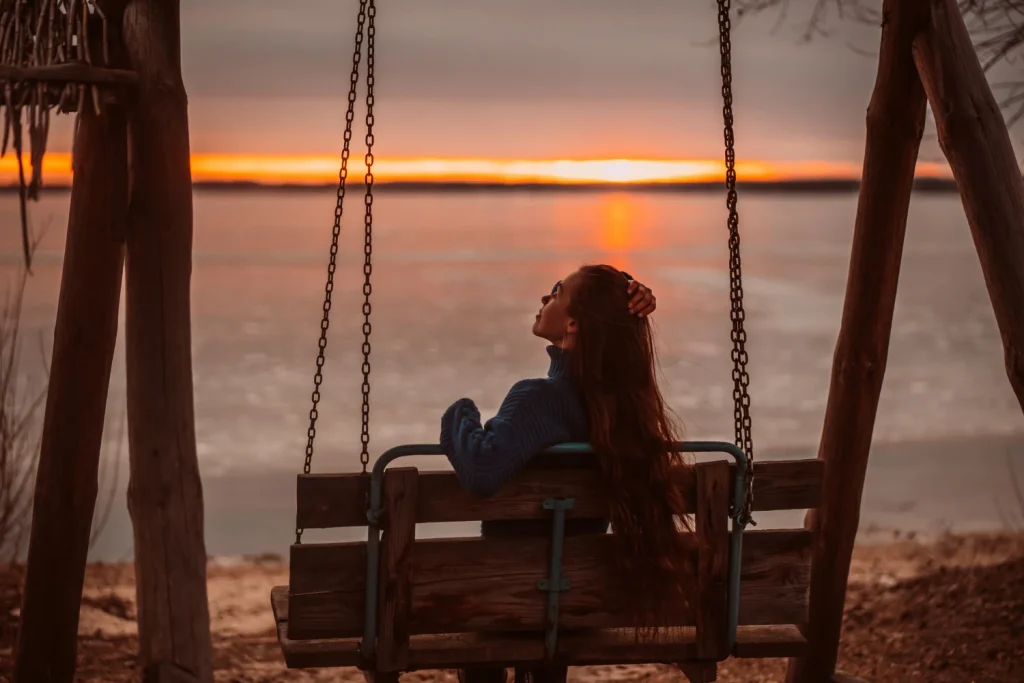
For those seeking meditation, the exposed rocks away from foot traffic offer natural sitting spaces. The openness strips away ordinary visual boundaries. Thoughts may drift or settle, responding to the mountain’s spacious quality. Some traditions call this “sky-gazing” meditation—resting awareness in the open expanse without focusing on any particular object. The black balsam knob summit provides ideal conditions for this practice, where vastness becomes the teacher.
Flora, Fauna, and Natural Cycles
Mountain balds remain ecological mysteries—these treeless peaks exist where forests typically grow. Native grasses, rhododendrons, and berry bushes create distinctive plant communities. Blueberries and blackberries ripen through the summer months.
Bears inhabit these mountains, particularly during berry season. Most encounters involve bears moving away naturally. Making sound while hiking prevents surprises. Deer browse at dawn and dusk, while raptors ride thermal currents overhead.
Wilderness protections govern this mountain environment. Campfires face restrictions in protected zones. The land asks for respectful engagement from visitors.
Practical Wisdom for Your Visit
Timing matters. Dawn arrivals offer solitude and gentle light. Weekends bring more visitors, particularly during peak flowering seasons and autumn color changes.
Dress appropriately. Summit temperatures drop significantly compared to lower elevations. Wind increases the chill factor. The exposed trail demands sun protection—skin coverage and sunscreen prove necessary.
Pack essentials. Water and basic first aid suffice for this short hike. Technology fails at this elevation, making preparation more valuable than devices.
Know seasonal patterns. Winter brings ice and access challenges. Spring arrives late at high elevation. Summer afternoons generate thunderstorms—morning hikes reduce lightning risk. Autumn offers stable weather alongside heavier traffic.
Practice leave-no-trace principles. Stay on established paths. Carry out everything you bring. Camping requires distance from trails and adherence to wilderness regulations.
Connecting Mountains and Mindfulness
The black balsam knob trail creates natural conditions for contemplative practice. Unlike forested paths where views arrive as brief revelations, this mountain bald sustains open-sky awareness—peaks layering toward infinity, clouds crossing overhead, wind moving through grass. The environment itself becomes a meditation instruction: be present, stay open, notice everything without grasping at anything.
Walking meditation integrates seamlessly with this terrain. Each footstep becomes deliberate. Breath responds to elevation and effort. The expansive viewscape invites softened focus rather than grasping attention. Traditional sitting meditation prepares practitioners for this kind of open-eyed, moving contemplation. The mountain walk extends formal practice into lived experience.
The summit’s character shifts continuously—weather patterns, seasonal changes, passing storms. This impermanence teaches without words. A summer visit brings wildflower abundance and warm stone. Autumn paints grasses gold and brings crisp air. Each season offers different teachings through direct experience. Solo practitioners find natural sitting stones away from main paths. The practice becomes simple: sit, breathe, receive whatever the mountain offers in that moment. No special technique required—just sincere attention to what is.
Conclusion
Mountains serve as teachers when we approach them with receptive awareness. Black Balsam Knob strips away the usual barriers between inner contemplation and outer environment—the openness outside mirrors the spaciousness within. This short walk becomes a practice in itself, where elevation and insight rise together.
FAQ
Can I hike Black Balsam Knob in winter?
Winter hiking remains possible but requires proper gear for ice and cold. Mountain road access may close seasonally. Summer and autumn provide more reliable conditions.
Are dogs allowed on the Black Balsam Knob hike?
Dogs are welcome with leash requirements. Consider the rocky terrain and limited shade when planning.
What should I do if I encounter a bear?
Remain calm, appear larger, speak firmly, and back away slowly. Making sound while hiking typically prevents close encounters.
When is the best time to see wildflowers on Black Balsam Knob?
Summer months bring peak wildflower displays. Spring blooms arrive later at this elevation. Berry plants ripen by late summer.
Is Black Balsam Knob suitable for beginners?
The short distance and moderate grade welcome beginners and families. Proper footwear and sun protection remain necessary for exposed terrain.