What are mudras? How to practice them? The word “mudra” itself describes ancient hand postures applied in yoga and meditation by people with the view of channelling energy within the body and fostering the power of concentration for healing. These few simple, popular yet powerful hand postures have been in application for many centuries now in major classic traditions as a means of fostering physical and mental well-being. General guide for all beginners, in general, works the way hand mudras work; it can be so great, and some super-easy mudras one could include in daily life with the purpose of improving health and developing mindfulness.
What Are Mudras?
First, let’s dive deep into the meaning of mudras. One could say that mudras are symbolic hand gestures of Yoga, meditation, and other energy-balancing routines. In Sanskrit, the word refers to “gesture” or “seal.” Basically, such meditation hand positions affect the flow of energy that circulates in the body. Thereby, they create balance and harmony with regard to the functioning of your mind and body. Though mudras themselves are so easy to perform, their roots are deeply symbolic in nature and are meant to ensure a specific energetic response with respect to the practitioner.
Powerful mudras have been practiced for a number of millennia in various cultures, majorly in India, as part and parcel of Hinduism, Buddhism and also other spiritual practices. The mudras were used by the ancient sages and masters of the spirit to raise the level of meditation, thus helping the concentration of the mind and establishing a relationship with the higher states of consciousness. A similar purpose is used in religious iconography and sculptures: deities and spiritual figures are depicted with particular mudras – a certain meaning and even divine powers.
How Mudras Work
Mudra is a Sanskrit term that means hand postures; these regulate the flow of energy in the body and, hence, affect both body and mind. Various philosophies such as partner yoga, Ayurveda, and traditional Chinese medicine consider mudra to cause stimulation of the energy channels, Nadi, with the purpose of restoring balance. Each mudra interacts with the five elements in the body – earth, water, fire, air, and ether – to encourage physical and emotional well-being.
In Ayurveda, healing mudras help to balance the three doshas: Vata, Pitta, and Kapha. This is by maintaining the elemental balance, proper digestion, and emotional stability. It acts like acupuncture, stimulating nerve points in hands connected with organs and systems. Example: Gyan Mudra gives concentration and clarity because it balances fire and air elements by touching the index finger with the thumb.
Different mudras have effects on the mind and body. Gyan Mudra sharpens concentration and memory, Anahata Mudra opens up love and heals heart breaks, Vayu Mudra cures anxiety, Shunya Mudra heals ear problems and depression, and Surya Mudra energizes and increases metabolism. The practice of these postures with mindful breathing or meditation will greatly enhance mental clarity and overall well-being.
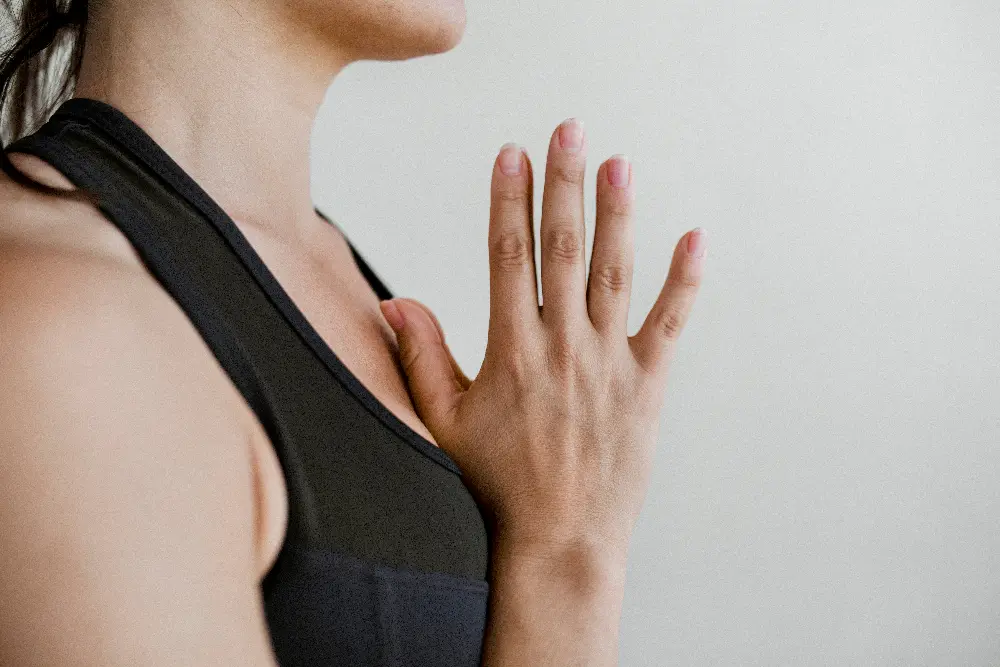
Essential Mudras for Beginners
Mudras are the most powerful way to enhance your yoga, meditation, and mindfulness. As a beginner, it is good to start with simple and effective mudras that help to establish a deeper connection between body, mind, and energy. Here are some basic mudras for beginners, accompanied by step-by-step instructions and an overview of their benefits. Practice with consistency and mindfulness to see the true effects of these hand gestures.
Gyan Mudra (Gesture of Knowledge)
Comfortably seated on either the floor or a chair. Straight up the spine with just your index finger at its tip touches across with the thumb- light touching- with your hand laid lightly upon knees or top high-thigh, where remaining three fingers extend out:.
Focus your attention on your breath, making it even and smooth in a balance of inhalation and exhalation. Practice for 10-15 minutes, either while meditating or simply sitting in a quiet place for relax.
It improves concentration, clarity of mind, and memory. Activates the root chakra to develop wisdom and insight. Relaxes stress, anxiety, and mental fatigue.
Prana Mudra (Gesture of Life)
Sit comfortably with your spine straight. Bring together the thumb, ring, and little finger at the tip, touching softly. Keep the other fingers relaxed and extended. Place your hands on your knees or thighs, facing the sky. Close your eyes and just focus on deep, regular breathing for 10-15 minutes.
This is one of the most popular mudras for meditation. It boosts energy and vitality by activating the root and heart chakras, improves overall strength, both mentally and physically, and helps reduce feelings of fatigue, lethargy, and stress.
Anahata Mudra (Gesture of the Heart)
Sit comfortably and keep your spine straight and your body relaxed. Touch the thumb and index finger together, creating a triangle or a heart shape with your hand. Allow the other fingers to stay extended, open, and relaxed. Put your hands in front of your chest facing each other. Take deep inhales into the space of your heart center, building compassion and love for self and others.
Are you interested in chakra activation with mudras? Ok, this mudra promotes emotional healing and balance, stimulates the heart chakra, increasing love, compassion, and self-acceptance. It also reduces anxiety, anger, and other negative emotions.
Vayu Mudra (Gesture of Air)
Sit comfortably and keep your spine straight. Fold the index finger to the base of your thumb and press lightly. The other fingers should be kept extended and relaxed. Place your hands on your knees or thighs, palms facing up. Focus on your breath and hold the mudra for 10-15 minutes.
This mudras chart balances the air element within the body, reducing restlessness and nervousness. It helps relieve symptoms of anxiety, worry, and overthinking, improves digestion and eases bloating or gas discomfort.
Surya Mudra (Gesture of the Sun)
Sit comfortably, keeping the spine straight. Allow the ring finger to rest at the root of the thumb and press it lightly with the thumb. Allow the other fingers to remain extended and relaxed. Place your hands on your knees or thighs with your palms facing upwards. Breathe deeply, focusing on the warmth and energy you are cultivating in your body.
Surya mudra increases energy, stimulates metabolism, promotes digestive health, improves physical vitality and can help combat lethargy. In addition, it boosts self-confidence and motivation.

When and How to Practice Mudras
All conditions and techniques have to be instituted in order to get the best from mudra practices. The following are some practical tips concerning when, how long, and where to practice mudras, along with the common mistakes to avoid for effective results.
Best Time to Practice Mudras
- Morning or evening: The best time for mudra practice is either in the morning or at evening time when your mind is rested and your body is relaxed. Early morning works fine to start the day energized and focused; meanwhile, evenings are a very good time for unwinding, promoting relaxation before sleep.
- Before or during meditation: Traditionally, mudras are performed with sleep meditation or yoga. Doing them right before or at the time of meditation strengthens your concentration and deepens your mindfulness practice. It can also improve your ability to stay present during your session.
- When feeling stress or fatigue: If you are feeling anxious, mentally fatigued, or emotionally overwhelmed, mudras can be a helpful tool to reset your mind and body. Mudras like Vayu Mudra or Prana Mudra are particularly effective in such situations.
Duration of Practice
- Start small: In the beginning, do about 5 to 10 minutes per session of mudra. Later on, as you get comfortable, extend the time to 15 to 20 minutes, depending on how long you feel focused and relaxed.
- Consistency over length: It is effective to do regular practices of mudras rather than doing them for a very long period once in a while. Shorter sessions of 10-15 minutes daily prove much more effective than longer sessions practiced less frequently.
- Observe your body: Whenever you feel discomfort or strain, take a break and readjust your practice. You should feel ease and comfort during each session for better results.
Benefits of Practicing Mudras
Mudras hold a great promise of benefit pertaining to the body, mind, and emotions. These simple but powerful hand mudras, when applied regularly, help increase focus, reduce stress levels, and bring overall well-being. Now, let’s explore exactly how practicing mudras can positively influence your physical health, mental clarity, and emotional balance.
Physical Benefits of Mudras
These mudras stir and balance the energy within the body and may have several benefits for physical health. Physical Benefits of Mudras:
Improved Energy Flow in Yoga
Mudras can facilitate the proper flow of blood and oxygenation in the body by stimulating specific points in the hands, which are connected with organs and systems in the body. This helps increase the energy level and vitality in general.
Improved Immunity
Certain mudras help enhance a person’s immunity, wherein your body becomes resistant to some or other form of disease or sickness. Mudras like Prana Mudra help boost the energy and, hence, the vitality to support the body’s natural immunity.
Enhanced Digestion
Improved digestion would be Vayu mudra, which helps stimulate the digestive tract and reduces bloating of the stomach, gas trouble, and digestive problems. Mudras works on the principle of optimizing metabolism and digestion by balancing all elements within the body.
Pain Relief
Some mudras are believed to help alleviate pain, especially in cases of headaches, joint discomfort, or menstrual cramps. Mudras can have a soothing effect on the nervous system, relieving chronic discomfort.
Mental Benefits of Mudras
Mudras have a great impact on mental health by helping to calm the mind, improve focus, and improve cognitive abilities. The mental benefits of practicing mudras include:
Improved Concentration and Focus
Mudras like Gyan Mudra improve mental clarity, which enhances a person’s concentration and attention. The simple act of focusing on hand gestures in yoga while meditating helps center the mind and makes it easier to stay present and focused on tasks.
Reduced Mental Fatigue
The habit of regularly using mudras decreases mental fatigue, as it rests and rejuvenates the nervous system. Prana Mudra builds up mental stamina and removes the feeling of fog in the brain.
Improved Brain Activities
Mudras stimulate areas of the brain related to memory, learning, and problem-solving, thus enhancing your cognitive abilities and remembering things for a longer duration.
Better Sleep
Mudras can also be utilized to calm the mind, which helps an individual feel relaxed before sleep. Certain practices, such as Shunya Mudra, are believed to help a person sleep better by reducing anxiety and calming overactive thoughts.
Emotional Benefits of Mudras
The emotional benefits of mudras deal deeply with the balancing and harmonization of energy within the body. The use of mudras in a person’s practice brings forth many great benefits emotionally:
Stress Reduction
Mudras can reduce stress effectively by triggering the parasympathetic nervous system, which helps the body to relax and recover from stress. Some mudras, like the Anahata Mudra, have been designed to open the heart chakra and thereby help in emotional healing and reducing stress levels.
Emotional Balance
Mudras facilitate emotional healing to reach a place of acceptance. Gyan Mudra nurtures self-awareness, helping one to understand himself or herself better and treat oneself with compassion, thus relieving negative thought patterns and emotional hurts.
Improved Emotional Resilience
The frequent practice of mudra will help in developing a better level of emotional stability. Certain mudras, like the Vayu Mudra, have a calming effect on anxiety, reducing feelings of nervousness and overwhelming, hence helping to handle difficult emotions with more comfort.
Enhanced Mood and Positivity
Positive thinking and an improved mood may be the result because mudras uplift the spirit through the energy shift in the body. It has been said that Surya Mudra raises self-confidence, improves motivation, reduces depression, and is generally uplifting for a positive view of life.
Final Thoughts and Inspiration
These mudras are simple yet effective tools that create harmony within your physical, mental, and emotional body. Integrate these ancient hand gestures into your life and find focus, stress reduction, increased energy levels, and emotional balance. Be it to enrich meditation, work upon concentration, or simply relax, Mudra is an easily accessible and potent tool for bringing overall health.