Today, Getting a good night’s sleep often seems like an uphill battle. The stress and busyness of modern life tend to creep into our evenings, leaving our minds racing at a time when they should be at rest. Meditation offers a time-tested solution, helping to quiet the noise, calm the mind, and prepare the body for deep, restorative sleep. Meditation at bedtime can make the evening a soothing ritual and thus set the stage for improved health and well-being.
No need to overcomplicate things: the bedtime routine can be quite simple. Through basic meditation techniques, including deep breathing, mindfulness, or guided imagery, you are able to let go of the day’s worries and, instead, slip into sleep naturally. This technique does help with sleep quality but also reduces stress and increases emotional balance.
If it is time to trade sleepless nights for peaceful rest, this guide will show you how to add meditation to your bedtime routine. Now, let’s dive into the steps to take back your nights and wake up refreshed.
Benefits of Meditation Before Bed
Getting meditation into your night could really enhance the process of how you wind down and rest. Meditation works to quiet the mind, therefore reducing the mental chatter going on in your head that may cause you to stay awake. For those dealing with anxiety or depression, it anchors one in a restorative capacity, which helps in calming overwhelming thoughts and helps with emotional balance. This can improve your ability to relax over time and create peacefulness that carries over into restful, restorative sleep.
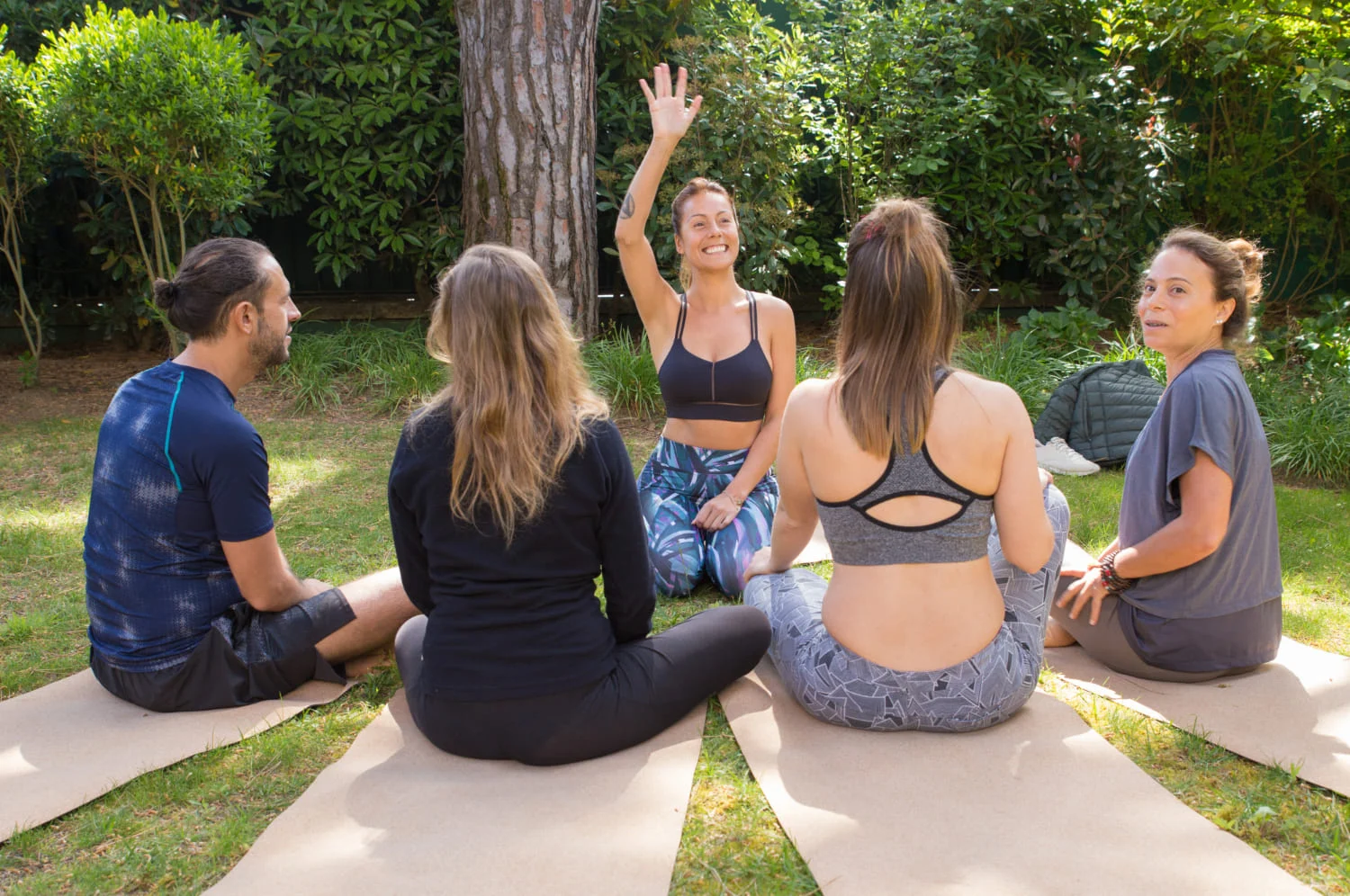
Meditation at the retreat center can also help turn on your body’s relaxation response, which slows your heart rate and relaxes your nervous system. This prepares the body to make the transition smoothly from the stresses of the day to the tranquility of sleep. Guided meditation is especially effective for beginners, as step-by-step instructions and soothing prompts will help with focusing your mind and easing into relaxation.
Adding even a few minutes of yoga and meditation for sleep to your nightly routine can make all the difference in overcoming restlessness and enjoying deeper, more rejuvenating sleep.
Let’s sum up:
- Soothes an overactive mind and equalizes mood for a more restful night’s sleep.
- This triggers the relaxation response in the body, which slows down the heartbeat and quietens the nervous system.
- It helps induce deep, restorative sleep by lessening tension in the mind and body.
- Naturally unloads daily pressures by setting one up for a restful state.
- Guided meditation is easy to follow; it easily gets one started and continues with meditations.
- Set up an evening bedtime ritual that helps prepare both your body and mind for better rest.
Creating Your Relaxing Bedtime Meditation Routine
A very easy and effective way of improving both the quality of your sleep and your general well-being is to establish a pre-sleep routine. You can achieve a smooth transition from busy daytime into restful night time by incorporating calming activities and stress relief before bed techniques.
Here is how to get started:
Plan-Out a Regular Bedtime
Go to bed at the same time every night and wake up at the same time every morning, even on weekends. This helps keep your body’s internal clock regular, which can make both falling asleep and waking up feel easier.
Create a Sleep-Conducive Environment
Transform your bedroom into a sanctuary for sleep. Keep the lights low, minimize noise, and no electronics for at least an hour before bedtime. You can also add comforting elements such as scented candles, aromatherapy, or soft blankets.
Start with Basic Meditation Techniques
Start with simple practices such as deep breathing, body scan, or mindfulness meditation. These practices relax your muscles, calm your mind, and prepare your body for sleep. As little as five minutes of focused breathing can make a great difference.
Employ Meditation Music for Sleep
Play soft background music, a genre of music meant to be relaxing and soothing. Meditation music can quiet the mind for sleep by guiding an individual into such a restful state.
Try Guided Meditation Apps
If you are new to meditation or want some guidance, try using apps that have bedtime-specific sessions. Guided meditation may include calming prompts, visualization, and soothing voices, which make it easier to relax and let go of the day’s stress.
By using these tips, you can create a pattern in your pre-bedtime routine that invites relaxation and makes your body and mind ready to feel deep, restorative sleep.

The Best Meditation Techniques for Sleep and Anxiety
Adding specific meditation practices to your sleep routine can help immensely in calming the mind and reducing anxiety disorders, which include bringing improvements to sleep quality. These practices will make it easier to move into a restful night from the stresses of the day. This is especially important if you suffer from anxiety or depression. A few of the most effective practices include:
1. Mindfulness Meditation for Sleep and Anxiety
Mindful meditation for sleep and deep breathing exercises involve anchoring your attention to the present moment by observing your thoughts with non-judgmental awareness. By anchoring your attention with your breath or bodily sensations, you have the ability to quiet a racing mind and let go of perturbing cares. To anxious or depressed people, mindfulness creates a pause in the mind that lets you step off the merry-go-round of negative thoughts and float into peaceful rest.
2. Progressive Muscle Relaxation (PMR)
It includes tensing and then releasing each muscle group within your body, starting with the toes and working one’s way up. The idea here is that it releases physical tension, further helping your body cure itself that it is time to relax. PMR works especially well to quiet the mind and alleviate physical pain; hence, it is perfect for any sleep meditation for anxiety and depression that targets reducing anxiety.
3. Visualization Exercises
Visualization is a powerful means of invoking mental imagery, recreating a serene and calming environment. Close your eyes and imagine that you are in a quiet beach or some peaceful forest; try to involve as many senses as possible in your imagination. The practice of visualization diverts attention from stress and helps in deeper relaxation, thereby leading into sleep smoothly and easily.
Why These Techniques Work
All three practices have the same purpose: they calm the nervous system and move your mind away from stress. In treatment, they reduce symptoms of anxiety and depression by anchoring your attention and by promoting relaxation. Incorporating these exercises into bedtime helps to form a sleep-conducive ritual, easing the way into falling asleep and entering a deeper rest for higher-quality restoration.

Tools and Resources to Improve Sleep Meditation
Finding the right tools and resources can enhance your sleep meditation practice, making it easier to achieve a calm and restful state. From meditation music to guided apps and specialized retreats, here are some options to explore:
Meditation Music for Sleep
There are a lot of nighttime relaxation techniques. Smoothening, ambient music, specifically designed for relaxation, may help quiet the mind and prepare the body for rest. Look for tracks featuring soft tones, nature sounds, or binaural beats that can promote deep relaxation. Many platforms, from YouTube to Spotify, offer playlists curated for sleep meditation.
Guided Meditation Apps
Guided meditation for bedtime can be found in apps like Calm, Headspace, or Insight Timer, designed to ease anxiety, relax, and sleep better. These apps offer a range of options, from body scans to progressive muscle relaxation to mindfulness exercises. Many will also have soothing voices and sleep stories to take you through winding down.
Sleep Meditation Retreat Centers
Look into retreats offering you a deeper experience, emphasizing restful sleep meditation and relaxation practices. Sleep wellness retreats combine guided meditation, yoga, and sleep hygiene expert-led sessions to restart and set up healthier sleep patterns. Search for retreats in your vicinity or virtual retreat options for convenience.
How to Choose the Best Sleep Meditation Tools
- Identify your needs: Determine whether you need help with anxiety, calming racing thoughts, or simply smoothing out transitions to sleep. Choose the tools that hit at the heart of what gets in your way.
- Test different options: Try different apps, music types, and methods to see what works best for you.
- Start small: Begin with free trials or sample playlists before committing to paid subscriptions or programs.
- Seek recommendations: Read reviews or ask friends for suggestions to find trusted resources that have worked for others.
Our research shows that through the above resources and tips, you are able to build a personalized toolkit from which to support your meditation sleep practice and continue to have restful nights.
Key Points
Simple meditation ensures a wide range of benefits, directly relating not only to falling asleep but also to forming the very foundation of good mental and physical health. Meditation calms the mind and relaxes the body, hence decreasing anxiety and breaking the vicious circle of racing thoughts. In addition, it improves emotional balance, being particularly helpful for persons undergoing stress or depression. Prolonged sleep meditation, over time, consolidates overall sleep quality, leading to deeper and more restorative rest that enhances energy and focus during the day.
Maximize these benefits by trying various techniques: rest meditation, progressive muscle relaxation, and guided visualization. Check out meditation, bedtime music, apps, or professional advice to find what works best for you. By developing a personalized program of meditation at bedtime, you can establish a routine that will help you sleep well every night and awaken refreshed, prepared to live a healthier, better life. Try it tonight and let calm sleep practices guide you into the peaceful slumber your body craves.