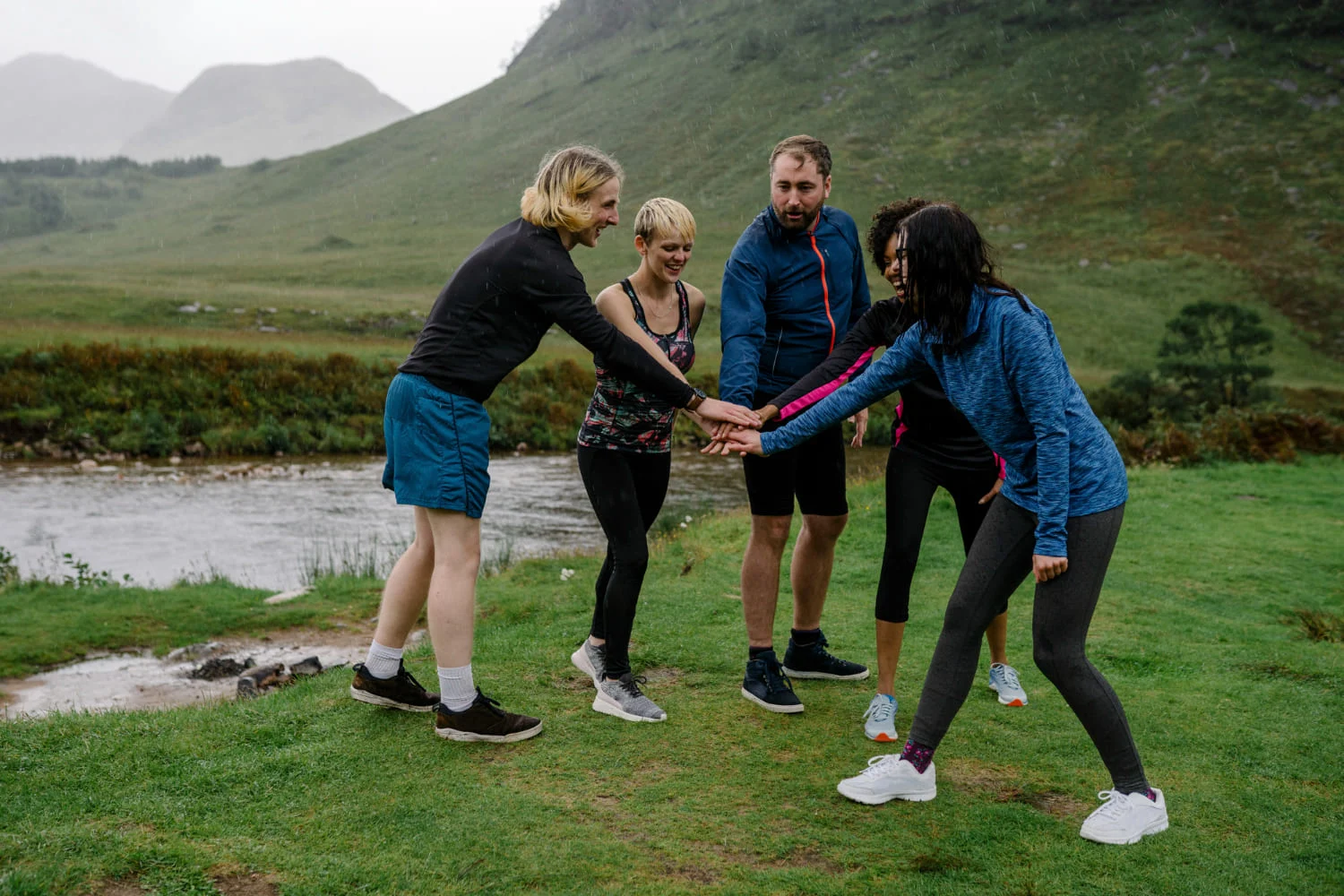
Blue Ridge Hiking Trail near Asheville
Introduction
Some places stick with you long after you leave. The smell of mountain air mixed with pine needles. That first glimpse of ridgelines stretching endlessly into blue haze. The satisfying ache in your legs after climbing higher than you thought possible.
Mountains have this way of putting things in perspective. Work stress? Gone by mile two. That argument you had last week? Forgotten somewhere between the creek crossing and the summit. Social media notifications? They can wait.
Asheville gets this. The city practically sits in the lap of the Blue Ridge Mountains, surrounded by some of the most accessible and rewarding hiking in the eastern United States. You can literally finish breakfast downtown and be on a mountain trail before your coffee gets cold.
But here’s what makes these Blue Ridge hiking trails special—they don’t play favorites. Families with toddlers find gentle paths that lead to waterfalls. Weekend warriors discover brutal climbs that earn bragging rights. Everyone in between gets exactly the adventure they’re looking for.
The Blue Ridge Parkway acts like a master key, unlocking access to hundreds of trails. Drive north, south, or anywhere in between, and numbered mileposts guide you to your next adventure. Some trailheads sit practically in your car. Others require a bit more commitment.

Key Takeaways
- Most Blue Ridge hiking trails sit within 45 minutes of downtown Asheville, making them more accessible than many suburban shopping centers.
- The Blue Ridge Parkway’s numbered milepost system eliminates guesswork when finding specific trailheads throughout the region.
- Trail difficulties range from kid-friendly nature walks to brutal summit climbs that test experienced hikers.
- Seasonal timing dramatically affects your experience, with spring wildflowers, summer storms, fall colors, and winter ice each offering unique rewards.
- Mountain weather changes rapidly and differs significantly from valley forecasts, making preparation and flexibility essential.
- Retreat centers like Wheel of Bliss provide ideal base camps for multi-day hiking adventures with recovery amenities and local expertise.
Why These Mountains Get Under Your Skin
Accessibility Changes Everything
Forget everything you know about mountain hiking logistics. No permits to secure months in advance. No three-hour drives to reach a trailhead. No complicated backcountry regulations. Just show up and walk.
Most Blue Ridge hiking trails near Asheville cluster within a 45-minute drive of downtown. That’s closer than many people drive to work. You could theoretically hike a different trail every day for three months without repeating yourself.
Terrain That Keeps Surprising You
These mountains refuse to be boring. One mile might tunnel through rhododendron groves so thick they block sunlight completely. The next opens onto bald summits that feel like you’re walking across the top of the world.
Granite slabs appear out of nowhere, offering natural rock climbing opportunities. Hidden waterfalls crash down from invisible sources above. Meadows spread out like green carpets, surrounded by peaks that seem to touch the sky.
Seasons Transform Everything
Spring arrives in waves here, starting in the valleys and climbing toward the peaks. Wildflowers follow the same pattern—bloodroot and trilliums carpeting forest floors in March, rhododendrons exploding into pink and white blooms by June.
Summer brings thick canopies and cool shadows, plus afternoon thunderstorms that can turn a peaceful hike into an adventure movie. Fall sets the mountains on fire with colors so intense they seem fake. Winter strips away all the green to reveal views that stay hidden the rest of the year.
Each season demands different strategies, different gear, different expectations. Spring hikers need patience for muddy trails and layered clothing for temperature swings. Summer means early starts and plenty of water. Fall requires crowd tolerance and flexible timing. Winter calls for serious preparation and respect for mountain weather.
Trail Difficulty
Easy Does It: Trails for Building Confidence
Craggy Gardens Trail When rhododendrons bloom in mid-June, this mile-long walk becomes pure magic. Boardwalks protect the plants while keeping your feet dry. The payoff? Views that make postcards jealous.
Hard Times Trail Don’t let the name scare you. This ranks among the easiest hikes on the Blue Ridge Parkway. Kids can handle it. Grandparents love it. The terrain stays flat and the views come easy.
Lunch Rocks Trail Starts right at the Folk Art Center, so no trailhead confusion. Gentle incline leads to valley overlooks that reward minimal effort with maximum scenery.
Moderate Territory: Step Up Your Game
Craggy Pinnacle Trail Just 1.4 miles round trip, but every step counts. The steady climb gets your heart pumping. The 360-degree summit views appear in more regional photography than anywhere else around here.
Frying Pan Tower Trail History buffs dig this 1.5-mile trek to a restored fire tower. The climb gets serious near the top, but those panoramic views from the tower platform make it worth the effort.
Graveyard Fields Loops Multiple trail options lead to two spectacular waterfalls. The landscape earned its spooky name from tree stumps that look like old tombstones. Unlike anywhere else you’ll hike.
Serious Business: Trails That Test Your Limits
Mount Pisgah Trail Asheville’s signature peak. The one you see from downtown on clear days. 3.2 miles round trip of sustained climbing through switchbacks that separate casual hikers from peak baggers.
Mount Mitchell Connections Highest point east of the Mississippi River. Several routes access this high-altitude environment where spruce-fir forests make you think you’re in Canada.
Black Balsam Knob Open bald hiking at its finest. These grassy summits stretch for miles, offering 360-degree views across multiple states. Two miles round trip of feeling like you’re on top of the world.
Essential Gear That Actually Matters
Foundation Items (Never Leave Home Without These)
- Waterproof hiking boots that fit properly
- Moisture-wicking base layers (cotton kills in mountains)
- Insulating layer for temperature drops
- Rain jacket that breathes
- Extra water beyond what you think you need
- First aid kit with blister treatment
Navigation and Safety Basics
- Detailed trail map (cell service disappears regularly)
- Compass that works without batteries
- Whistle for emergency signaling
- Headlamp with spare batteries
- Multi-tool for emergency repairs
- Emergency shelter (space blanket minimum)
Seasonal Additions That Make or Break Trips
- Spring: Tick removal tools, extra layers for temperature swings
- Summer: Sun protection, electrolyte replacement, rain gear
- Fall: Warm clothes for early morning starts, camera for colors
- Winter: Ice cleats, insulated water bottles, backup warmth
Blue Ridge Parkway
Think of the Blue Ridge Parkway as a 469-mile long trailhead directory. Every significant trail connects to a numbered milepost. Milepost 364.4 takes you to Craggy Pinnacle. Milepost 418.8 leads to Mount Mitchell. Simple.
But this isn’t a highway for people in a hurry. Speed limit tops out at 45 mph. Overlooks appear every few miles, each offering different perspectives on the surrounding mountains. Plan extra time. The scenery demands frequent stops.
Weather closes sections without warning, especially during winter months. Gas stations cluster around major highway intersections, but long stretches offer nothing. Fill up before entering the mountains.
Services stay scarce along the parkway itself. Carry extra water, snacks, and emergency supplies. Cell service comes and goes. Don’t count on technology to solve problems.
Mountain Weather
Mountain weather follows its own rules. Valley forecasts often prove useless at elevation. Temperatures drop 3-5 degrees for every 1,000 feet gained. A comfortable 75-degree day in Asheville might feel like 60 degrees on the peaks.
Afternoon thunderstorms develop with shocking speed during summer months. Morning starts become essential for avoiding dangerous lightning on exposed ridgelines. Most experienced hikers aim to be off summits by 2 PM during storm season.
Microclimates create surprising variations within short distances. North-facing slopes hold snow days longer than sunny southern exposures. Valley fog often clears to reveal brilliant sunshine on ridgelines above.
Winter conditions can appear suddenly, transforming easy trails into serious mountain challenges. What begins as pleasant morning hiking can become survival situations if clouds move in and temperatures drop.

Retreat Center Strategy
Staying at places like Wheel of Bliss changes the entire mountain hiking experience. Location proximity eliminates daily drives to reach trailheads. Multi-day hiking progressions become possible without constantly relocating.
Post-hike recovery takes on new meaning when spa services, meditation spaces, and peaceful surroundings await your return. Physical mountain challenges complement perfectly the restorative practices retreat centers provide.
Group coordination becomes effortless when organized from one central location. Staff arrange transportation, share local trail knowledge, handle safety considerations, and coordinate meals around hiking schedules.
Gear storage and drying facilities prove invaluable during multi-day adventures. Muddy boots, wet rain gear, and damp clothing need proper care between trail days.
Seasonal Strategies
Spring Awakening (March-May)
Wildflower season progresses upward from valleys to peaks. March brings bloodroot and spring beauties. April adds trilliums and wild geraniums. May explodes with mountain laurel and early rhododendrons.
Trail conditions vary wildly. Lower elevation paths dry out first. Higher trails may stay muddy or snow-covered into April. Temperature swings can span 30 degrees between valleys and peaks.
Summer Adventures (June-August)
Early starts become non-negotiable. Many experienced hikers begin before dawn, reaching summits for sunrise while avoiding afternoon heat and storms.
Hydration becomes critical. Carry significantly more water than seems necessary. Stream water requires treatment—waterborne illnesses occur in these mountains.
Thunderstorms develop fast with minimal warning. Watch for building clouds, temperature drops, and increasing wind. Seek shelter immediately when thunder becomes audible.
Fall Color Spectacle (September-November)
Peak foliage timing varies by elevation. Higher areas change first, creating an extended color season from late September through October.
Crowds increase dramatically during peak color. Plan very early starts. Consider weekday hiking for peace. Popular areas fill completely on weekend mornings.
Temperature swings become extreme. Mornings may start near freezing while afternoons reach comfortable temperatures. Layer systems become essential.
Winter Exploration (December-February)
Hidden beauty emerges when fair-weather hikers disappear. Snow-capped vistas and ice formations create magical landscapes. Waterfalls freeze into spectacular sculptures.
Preparation becomes essential for safety. Ice cleats, insulating layers, emergency shelter, and communication devices are necessary even for short hikes.
Daylight hours decrease significantly. Early starts and reliable lighting become crucial for safe returns.
Locations Worth the Hike
Sunrise Champions
- Mount Pisgah summit (360-degree views)
- Craggy Pinnacle (classic Blue Ridge scenery)
- Black Balsam Knob (endless bald vistas)
- Rough Ridge overlook (accessible without brutal climbing)
Waterfall Destinations
- Graveyard Fields (two falls, unique landscape)
- Looking Glass Falls (roadside access, powerful cascade)
- Crabtree Falls (tallest in the region)
- Linville Falls (multiple viewing platforms)
Fall Color Hot Spots
- Blue Ridge Parkway overlooks (classic mountain views)
- Grandfather Mountain area (iconic peak profiles)
- Linn Cove Viaduct (engineering marvel with scenery)
- Moses H. Cone Park (carriage roads through forests)
Safety Reality Check
Mountain emergencies usually stem from poor decisions, not equipment failures. Understanding your limitations and hiking within your abilities prevents most dangerous situations.
Communication devices provide essential backup where cell service disappears. Satellite communicators allow emergency contact from remote locations. Personal locator beacons summon rescue services when serious injuries occur.
Trail conditions change frequently due to weather, seasonal closures, and maintenance. Check current conditions through park service websites before beginning adventures.
Basic first aid knowledge becomes essential. Ankle injuries, cuts from falls, hypothermia, and heat illness occur regularly. Carry appropriate supplies and know how to treat common hiking problems.
Weather monitoring requires multiple sources and mountain-specific understanding. Afternoon storms, sudden temperature drops, and winter weather arrive with minimal warning.
FAQ
What’s the best time of year to hike the Blue Ridge trails near Asheville?
Spring (April-May) offers wildflowers and comfortable temperatures, while fall (October) delivers spectacular foliage. Summer requires early starts due to heat and afternoon storms.
Do I need special permits or reservations for Blue Ridge hiking trails?
Most trails require no permits or reservations—just show up and hike. A few popular areas like Mount Mitchell State Park may charge small parking fees.
How difficult are the Blue Ridge hiking trails for beginners?
Many trails accommodate beginners, from the easy Craggy Gardens Trail to gentle walks at the Folk Art Center. Start with shorter, well-marked trails and gradually build up to longer adventures.
What should I do if I encounter a bear while hiking?
Make noise while hiking to avoid surprises, never feed bears, and if you see one, back away slowly while making yourself appear large. Most bears will leave the area when they detect humans.
Can I hike these trails year-round?
Yes, but winter hiking requires additional preparation including ice cleats, warm layers, and emergency supplies. Some higher elevation trails may be inaccessible during severe weather conditions. Related Posts