The rush of cascading water draws us in, pulling at something primal within our souls. There’s magic in these plunging streams—where gravity meets resistance and creates beauty. A waterfall walk offers more than just exercise; it’s a journey that awakens dormant senses and quiets the mind’s constant chatter. These natural wonders provide an immersive escape, blending physical activity with moments of profound peace.
The Allure of Waterfall Hikes
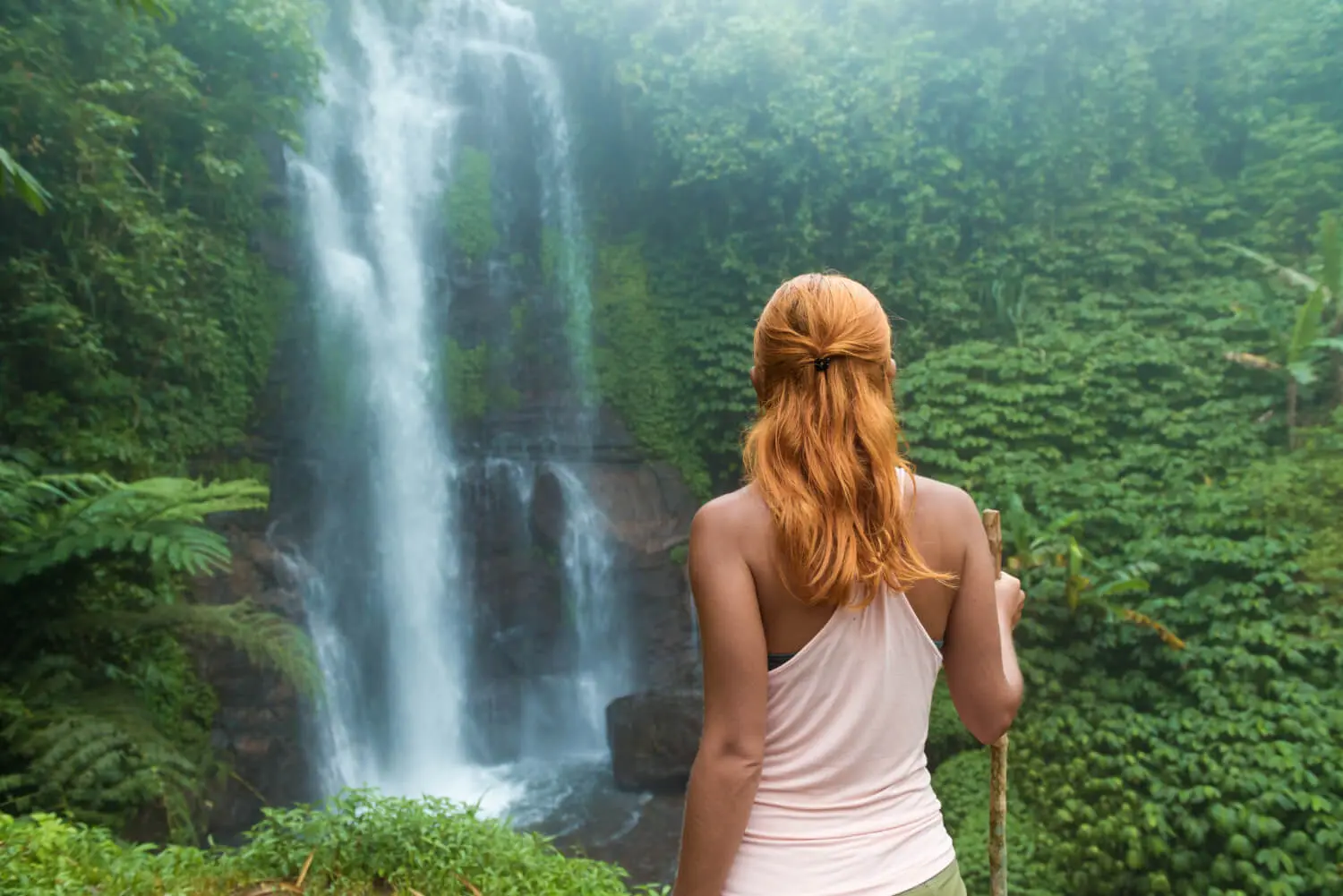
That first moment you spot a waterfall it’s pure magic. You freeze mid-step. Your jaw drops slightly. The world shrinks to nothing but tumbling water pounding against ancient stone. Sunbeams pierce the mist, scattering light into pocket-sized rainbows. Droplets cling to moss-draped rocks while stubborn ferns claim every crack and crevice. The raw power and delicate beauty exist in perfect harmony, reminding us of nature’s remarkable contrasts.
Waterfall hikes lead you over varied terrain—dense forests opening to breathtaking views, small roads meandering beside boiling streams suggesting the spectacle ahead. Every stride increases excitement till at last the sound from far-off whisper to thundering boom as the waterfall shows itself. These trips really engage you and take your focus off ordinary concerns and digital distractions.
Beyond just burning calories, these hikes deliver surprising physical benefits. Waterfalls generate negative ions in abundance. You’ve probably noticed feeling more alert and refreshed near them—that’s not imagination. You breathe cleaner air, far from stuffy indoor environments. Your body navigates natural obstacles, strengthening muscles that typical workouts miss. During waterfall hikes, you exercise without tedium, drawn forward by the simple desire to discover what lies around the next bend.
Falling water creates a unique mental clearing. The steady sound—whether gentle trickle or powerful rush—quiets the constant chatter in our minds. Hikers arrive tense and preoccupied but gradually unwind along the path of a waterfall walk. This natural therapy provides the mental reset we search for but rarely find in our screen-filled evenings.
Planning Your Waterfall Adventure
Choosing the correct path calls for juggling your own dreams with your experience level. Beginners may start on well-kept paths with mild hills and visible markers. Many times, these paths lead to easily reachable falls without any technical climbing experience needed. Experienced hikers would appeal to more distant waterfall climbs with difficult terrain that honors effort with quiet and unspoiled beauty.
Research local topography before setting out—the most dramatic falls typically occur where elevation changes suddenly. Online hiking communities, park websites, and local guidebooks offer valuable insights about trail conditions and seasonal water flow. Don’t overlook smaller, less famous cascades; they often provide intimate experiences without the crowds.
Proper preparation transforms a potentially uncomfortable trek into a memorable adventure. Pack these essentials:
- Sturdy, water-resistant footwear with substantial tread
- Layered clothing that dries quickly
- More water than you think necessary (ironically, hiking near water sources requires hydration)
- Basic first aid supplies
- Navigation tools (map, compass, or GPS device)
- Camera protected against moisture
- Trekking poles for stability on slippery surfaces
Safety demands special attention near waterfalls. Rocks become treacherously slick with spray, and currents above falls can be deceptively strong. Stay on marked trails, respect barriers, and resist the temptation to climb on wet rocks for photos. No picture justifies risking your safety.
Timing significantly impacts your waterfall adventure. Spring typically brings the most dramatic displays as snowmelt swells streams to capacity. After heavy rainfall, falls transform from gentle ribbons to thundering torrents. However, late spring and early fall often provide ideal conditions: substantial water flow, comfortable temperatures, and fewer fellow hikers.
After a day of exploration, having a peaceful accommodation nearby offers the perfect complement to your adventure. A cozy retreat house provides space to reflect on your experiences while resting tired muscles in comfort.
Experiencing the Walk
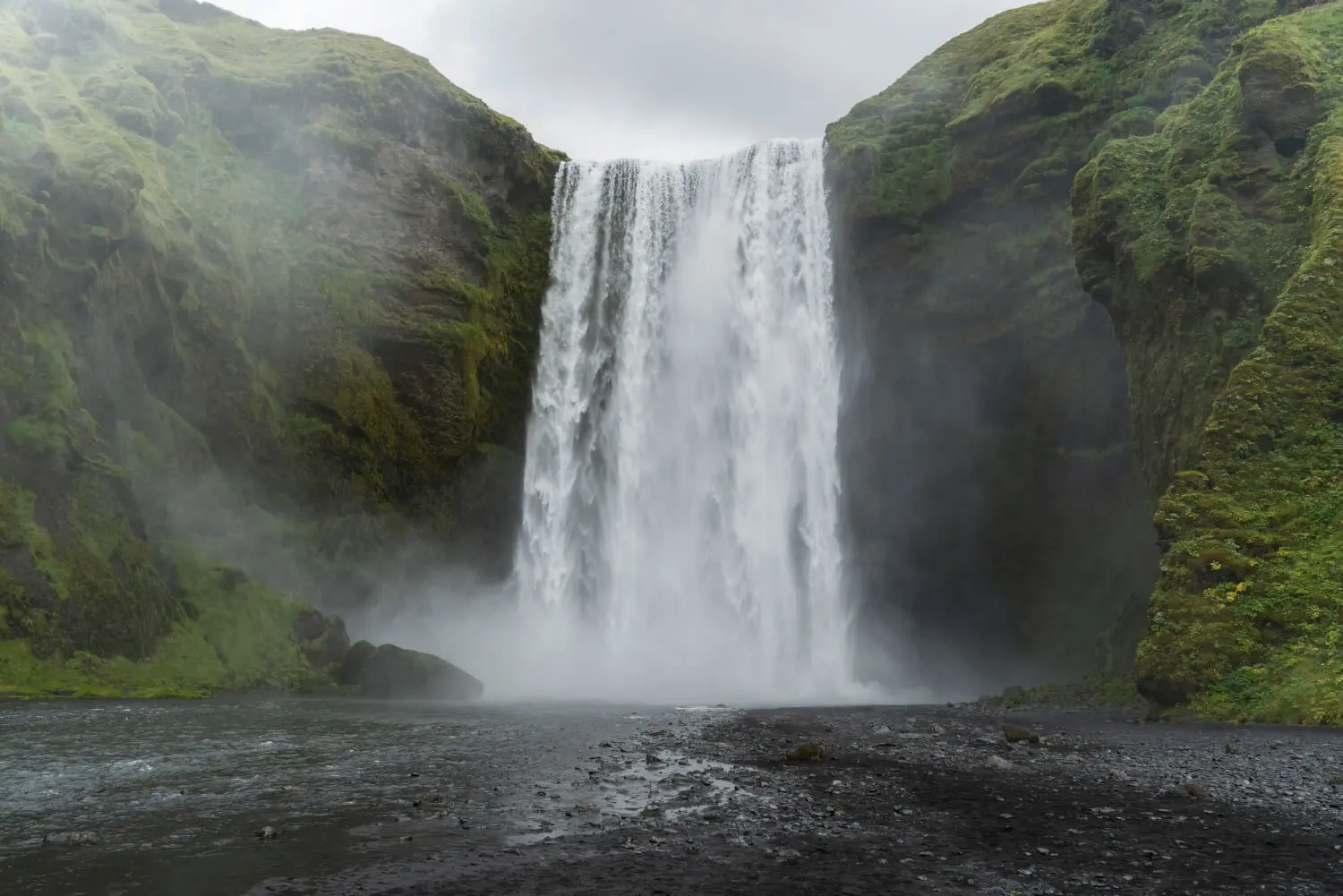
A truly memorable waterfall walk engages all your senses. The obvious visual spectacle—water in constant motion, catching light in endless variations—represents just one dimension of the experience. Close your eyes momentarily and notice how the soundscape changes as you approach: the distant rumble grows into distinct tones, from bass thundering to treble splashes.
The scent of a waterfall environment carries its own signature: clean moisture mixed with earthy notes of moss and stone. As you draw closer, feel the air temperature drop while fine mist touches your skin. Some hikers even taste the minerality of the water that travels through miles of rock before making its dramatic descent.
Moving mindfully amplifies these sensations. Instead of rushing to reach the destination, try these simple awareness practices:
- Pause occasionally to focus solely on your breathing. Match your breath to the rhythm of flowing water—steady, continuous, without hurry.
- Notice your footfall patterns. Feel how your feet connect with the earth, adjusting to various surfaces, providing feedback you typically ignore.
- Take periodic “sensory inventories“—name three things you see, three you hear, and three you feel in that moment.
- Practice gratitude for your body’s ability to carry you to these beautiful places.
These approaches transform a simple hike into a moving meditation. The combination of physical movement, natural beauty, and mindful attention creates a powerful antidote to the fragmented attention that characterizes modern life. Many hikers report that their clearest thinking and most creative ideas emerge during or after waterfall hikes.
The visual drama of falls naturally creates mental stopping points—places where we pause, not just physically but mentally. These moments of stillness amid motion mirror the waterfall itself: constant change occurring within unchanging patterns. This paradox creates the perfect conditions for reflection and perspective-shifting.
Environmental Stewardship
The increasing popularity of waterfall hikes brings responsibility along with enjoyment. These fragile ecosystems face pressure from foot traffic, litter, and well-intentioned but harmful human behaviors. Practicing Leave No Trace principles preserves these spaces for future visitors:
- Stay on established trails, even when tempted by shortcuts.
- Pack out everything you bring in, including biodegradable items like fruit peels.
- Leave natural features undisturbed—no rock stacking, plant collecting, or wildlife feeding.
- Keep noise levels low to respect both wildlife and other hikers seeking tranquility.
- Use bathroom facilities before your hike or properly bury waste at least 200 feet from water sources.
The delicate balance of waterfall environments depends on collective care. Seemingly small actions like moving rocks in streams can disrupt aquatic habitats and alter water flow patterns. What appears harmless when done by one person becomes devastating when repeated by thousands.
Supporting conservation efforts extends your positive impact beyond your visit. Research organizations are working to protect watersheds in areas where you hike. Even small donations or volunteer hours contribute to trail maintenance, habitat restoration, and educational programs that promote responsible recreation.
For example, retreats like the Secluded Mountain Sanctuary not only provide comfortable accommodations but also often participate in local conservation initiatives. Staying at environmentally conscious properties aligns your travel choices with your values, creating a holistic approach to experiencing natural wonders.

Cascading Benefits Beyond the Trail
The ripple effects of a waterfall walk extend long after you’ve returned home. Unlike experiences that fade quickly, these natural encounters often become reference points – mental anchors you revisit during stressful moments. The sensory memories – water’s sound, fresh air, dappled light through leaves – can be summoned as mental refreshment when needed.
Physical benefits accumulate with regular hiking. Your body adapts to varied terrain, building stability and strength differently than gym workouts. The cardiovascular demands of hiking uphill, followed by controlled descents, create effective interval training disguised as adventure.
The psychological reset these experiences provide shouldn’t be underestimated. Numerous studies confirm what waterfall hikers intuitively understand: nature immersion reduces cortisol levels, lowers blood pressure, and improves cognitive function. These benefits don’t require epic expeditions—even short nature strolls to local cascades deliver meaningful results.
Consider making waterfall exploration a regular practice rather than an occasional vacation activity. Local parks often feature smaller falls that provide mini-doses of tranquility between longer adventures. This ongoing connection with flowing water keeps the sense of wonder alive in daily life.
The invitation stands open: step away from screens and schedules. Follow the sound of rushing water. Let gravity’s artwork remind you of simple truths—that beauty emerges from obstacles, that power and peace can coexist, and that the most worthwhile journeys often lead to falling water, where you can stand still and feel fully alive.