Imagine entering total darkness for days rather than just a moment. There would be only you and the vast terrain of your mind no outside stimulation or distractions. A dark meditation retreat is a practice that has been utilized for centuries in many spiritual traditions to increase self-awareness, improve inner clarity, and unlock deep transformation.
Fundamentally, a dark therapy retreat involves spending a lot of time in complete darkness—usually in a remote area meant to cut off all light exposure. This experience is about immersion that is, into your ideas, feelings, and deeper levels of consciousness, which are usually covered over by the pressures of daily life. It is not about seclusion.
For many, the lack of visual cues provides a portal to more contemplation. Free from the continuous processing of outside knowledge, the mind starts to untangle its patterns, exposing suppressed emotions, deep-seated anxieties, and unspoken wisdom. Spiritual seekers, meditators, and individuals on a road of self-discovery seek dark retreats to break through mental barriers, reconnect with their nature, and undergo a significant awareness change.
This is not a trip for the weak of taste. It calls for a readiness to sit with discomfort, negotiate the unknown, and welcome whatever surfaces from the recessive depths. Still, individuals who go on a dark retreat sometimes say it’s one of the most transforming events of their lives a trip into the unexplored mental terrain where healing, clarity, and deep spiritual revelations await.
What is a Dark Retreat?
An ancient technique known as a dark retreat is spending a long amount of time in the dark, free from outside stimuli and sensory input. Rooted in many spiritual traditions, this mindfulness retreat is designed to foster deep contemplation, heightened awareness, and personal transformation. A dark retreat removes all visual stimuli, allowing the mind to shift completely within, unlike traditional meditation retreats, where guided sessions, nature, or solitude still offer external reference points.
Ancient Roots and Spiritual Significance
Dark retreats have deep roots in Tibetan Buddhism, Taoist practices, and indigenous shamanic traditions. In Tibetan Vajrayana Buddhism, dark room meditation retreats are considered essential for advanced spiritual training. Monks spend prolonged periods in darkness to accelerate their meditative progress. After days of immersion, the brain is believed to begin producing endogenous DMT, a naturally occurring compound linked to profound visionary states and mystical experiences.
Similarly, in Taoist inner alchemy, darkness is viewed as a womb of transformation, a space where energy is refined, the senses recalibrate, and deep wisdom emerges. Indigenous traditions have also used dark retreats in initiation rites and vision quests, where time spent in isolation and darkness helps individuals connect with deeper realms of consciousness.
Why Darkness? The Power of Sensory Deprivation
Visual stimulation constantly shapes our daily experience, even during sleep—through screens, artificial light, and modern distractions. A retreat center offering dark retreats provides a space where these influences are removed, allowing the mind to detach from external conditioning and explore itself on a deeper level.
The brain spontaneously enters altered states of consciousness without visual stimulation, improving introspection, vivid inner imagery, and perception. Deep-seated emotions, unresolved thoughts, and suppressed memories may surface, allowing for profound inner healing. This approach involves facing one’s intellect and emotions without filter.
Many see their deepest fears, aspirations, and mental patterns in the retreat. Stillness brings insights, a noise subsides, and clarity takes sacrifice, patience, and openness, yet individuals who accept the darkness often gain a fresh perspective on themselves and the world.
The Transformational Benefits of a Dark Retreat
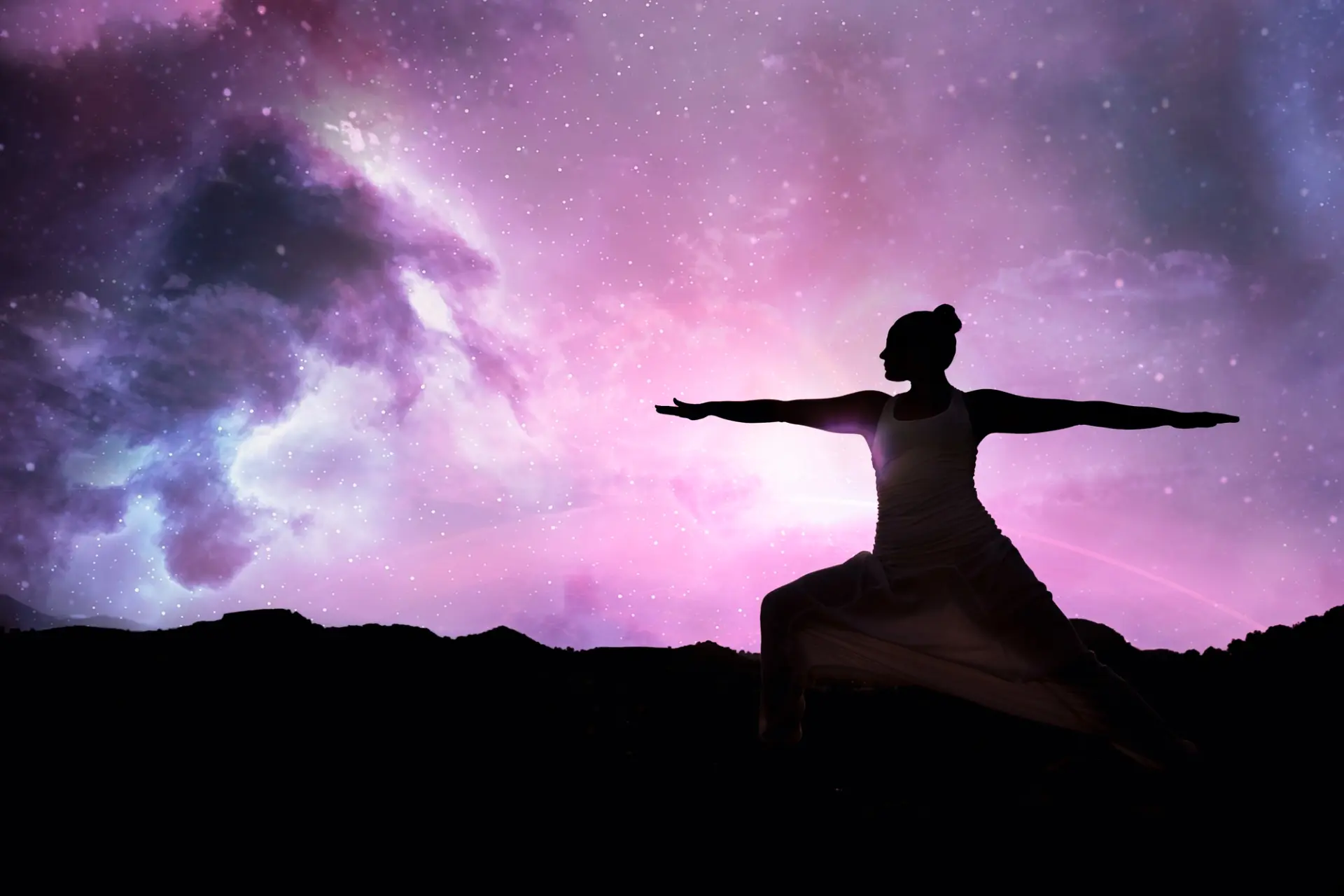
A dark retreat invites exploration of the depths of the mind, challenges internal obstacles, and awakens great insights—not only a lack of light. Steering clear of the distractions of daily life, participants sometimes undergo profound psychological changes that result in increased self-awareness, spiritual development, emotional healing, and mental clarity.
Deepened Self-Awareness: Seeing Beyond the Surface
Daily environmental influences shape our thoughts and emotions. In the darkness, these stimuli evaporate, requiring introspection. Without interruptions, you become more aware of your thoughts, emotions, and subconscious training. This increased self-awareness can uncover underlying concerns, unresolved emotions, and persistent habits, helping you realize who you are beyond social norms.
Many dark retreat participants mention profound self-inquiry. Memories that were previously ignored now demand attention and consideration. While uncomfortable at first, this typically leads to breakthroughs in self-understanding that help people live more intentionally and with inner stability.
Spiritual Growth: A Gateway to Higher Consciousness
Spiritual seekers have long used dark retreats to deepen meditation, increase consciousness, and access mystical experiences. Like profound meditation or lucid dreaming, the mind naturally moves into changed states amid extended darkness. Some report experiencing heightened intuition, vivid visions, or a profound sense of interconnectedness with the universe.
This transformation is partly attributed to the brain’s natural production of endogenous DMT—a compound associated with visionary and transcendent states. Many practitioners describe a sense of unity, timelessness, or encounters with higher wisdom. Regardless of one’s entry into these states, the retreat creates a space where spiritual insights can naturally arise, unencumbered by outside influences influences.
Emotional Healing: Releasing Suppressed Feelings
Darkness helps process emotions and reveal unresolved feelings. No one can avoid or suppress what needs to be acknowledged without distractions. Participants undergo an emotional detox, revealing ancient traumas, grief, and repressed emotions, offering a unique healing opportunity.
This approach teaches people to accept and release their feelings by sitting with them. The retreat can reset emotions and leave people feeling lighter and calmer.
Mental Clarity: Silence the Noise, Find Direction
One of the most profound benefits of a dark retreat is the mental clarity that emerges from prolonged solitude. In daily life, our minds are constantly bombarded with information—news, social media, work-related stress—creating mental clutter that clouds judgment and decision-making.
A dark retreat eliminates external noise, allowing thoughts to slow down and patterns to become clearer. Many people use winter retreats in darkness to reset their minds, seeking answers about life purpose, relationships, or personal direction. Insights don’t come from forced contemplation but from the natural wisdom that emerges when the mind is truly at rest.
The Science Behind a Dark Retreat

A dark retreat triggers profound neurological and psychological shifts, helping the mind and body reset in ways that modern science is beginning to understand.
Melatonin Surge and Altered States
Total darkness significantly boosts melatonin production, promoting deep relaxation and sleep. Over time, the brain may convert melatonin into DMT, a compound linked to heightened awareness and visionary states. This explains why many report lucid insights and profound clarity during dark retreats.
Stress Reduction and Nervous System Reset
With no external stimuli, the nervous system shifts into a deep parasympathetic state (rest and repair). Cortisol levels drop, anxiety lessens, and the mind gradually quiets. This creates an ideal environment for deep psychological processing, much like prolonged meditation or floatation therapy.
Neuroplasticity and Mental Clarity
In the darkness, the brain rewires. The visual brain slows down while introspective and creative centers become more active, therefore improving problem-solving, emotional intelligence, and self-awareness. Many depart from their regular mental processes to let fresh ideas show through.
Emotional Processing and Healing
Suppressed emotions surface without distractions, and though this can be intense, it offers a unique chance for thorough self-integration and emotional release. Those who really let go of the process usually come with more clarity, inner peace, and a fresh view of life.
Where Science Meets Spirituality
From boosted brain chemistry to deep emotional recalibration, dark retreats offer a unique blend of scientific and spiritual transformation—an opportunity to strip away external noise and reconnect with the raw essence of the self.
Preparing for a Dark Retreat
A dark retreat is about being ready for intense introspection, not only about entering darkness. Good preparation guarantees a better transition, enabling you to completely enjoy the experience without needless worry or discomfort.
Mental Preparation: Training the Mind for Stillness
The most challenging aspect of a dark retreat isn’t the darkness itself—it’s the mind’s reaction to it. To prepare:
- Practice extended meditation or silence – Training your mind to sit with thoughts and emotions beforehand reduces initial restlessness.
- Reduce screen time – Gradually limit exposure to artificial light to ease the transition into darkness.
- Set clear intentions – Why are you doing this retreat? Clarity of purpose helps guide your experience and deepens the transformation.
- Expect discomfort. There may be moments of unease, emotional release, or boredom. Accepting this in advance makes the process easier.
Physical Preparation: Supporting the Body
Your body’s adjustment to darkness can impact sleep cycles, digestion, and energy levels. To prepare:
- Establish a regular sleep schedule – Syncing your circadian rhythm beforehand minimizes disruption.
- Eat clean, light meals – Heavy or processed foods can make digestion sluggish in darkness. A simple, nutrient-rich diet is ideal.
- Stay hydrated – Lack of hydration can increase discomfort, so maintain proper hydration practices before and during the retreat.
Choosing the Right Retreat Setting
The environment you choose significantly affects your experience. Look for:
- A well-structured retreat center – Ensure the space is designed for long-term darkness, with proper ventilation and access to basic needs.
- Supportive facilitators – Having an experienced guide available (if needed) can be reassuring.
- Comfortable accommodations – A simple, quiet, and distraction-free space helps maintain focus on inner work.
Setting Expectations: Entering with Openness
A dark retreat is unpredictable, and each person’s experience is unique. Some experience deep emotional processing, while others enter states of profound peace. Approach the experience with inquiry, patience, and a readiness to let go rather than trying to regulate it.
Your retreat becomes more than just time in darkness with proper preparation; it becomes a portal to self-discovery, healing, and inner transformation.
What to Expect During a Dark Retreat
Entering absolute darkness is an experience unlike any other. The mind and body go through several periods of adaptation without outside cues, which causes significant changes in awareness, feeling, and perception. Though every path is different, here is what many go through during a dark retreat.
Adapting to Darkness: The Initial Adjustment
In the first hours or days, the brain struggles to adjust to the absence of light. Some may experience:
- Restlessness or disorientation – The mind craves visual input and may initially resist stillness.
- Heightened senses – Hearing, touch, and even intuition may become more acute as the brain compensates for the lack of sight.
- Changes in sleep patterns – With no day-night cues, sleep may become deeper or more sporadic.
This phase requires patience. As the nervous system relaxes, the body naturally adapts to a new rhythm, and mental resistance begins to fade.
Emotional and Mental Shifts
Without external distractions, emotions and thoughts rise to the surface. Some common experiences include:
- Emotional waves – Suppressed memories, fears, or unresolved feelings may emerge. This is part of the retreat’s healing process.
- A shift in thought patterns – The mind may replay past events, analyze life choices, or explore deep philosophical questions.
- Moments of clarity and surrender: As mental noise settles, many report a sense of inner peace and detachment from daily worries.
Profound Insights and Heightened Awareness
As time passes, the retreat often leads to:
- Increased self-awareness – With the mind free from external input, inner truths become clearer.
- Altered states of consciousness – Some experience lucid dream-like visions, heightened intuition, or a deepened connection to the subconscious.
- A sense of timelessness – Without clocks or sunlight, the perception of time dissolves, allowing for a more present, meditative state.
Emerging with a New Perspective
Many people report a fresh clarity, emotional release, and strong spiritual connection by the end of the retreat. Returning to light might feel symbolic as if one were entering the world with fresh eyes and a changed inner reality.
A dark retreat is about what arises from darkness, not only about enduring it. An open and patient approach can result in one of the most perceptive and transforming events of a lifetime.
Embracing the Transformative Power of Darkness
Dark retreats are more than just time in darkness—they’re a voyage inward that promotes self-discovery and progress. This practice improves self-awareness, spiritual insight, emotional healing, and mental clarity by eliminating external distractions.
Stillness and solitude reset the neurological system, release suppressed emotions, and reinvigorate purpose for many. The retreat offers a unique opportunity to face inner truths, break free from restricting mental patterns, and discover life’s deeper significance.
Dark retreats give a rare chance to withdraw from the world and reconnect with oneself for transformation. Stepping into the darkness for spiritual exploration, healing, or mental clarity can reveal unexpected and life-changing insights.
If you’re ready to explore your inner world and embrace the unknown, step into the darkness and see what’s beyond.