Are you looking for a natural way to stop your snoring? Snoring may seriously harm your relationships and health in addition to being an irritation at night. Snoring that doesn’t go away reduces the quality of sleep, which can lead to fatigue, agitation, and even more severe health issues, including sleep apnea. A couple of disputes can also result from it, which is terrible for your overall health. Thankfully, yoga is a secure and effective treatment for snoring. By incorporating specific yoga poses and yoga meditation into your daily routine, you can improve your breathing, strengthen your throat muscles, and have a quieter, more restful night’s sleep. Yoga not only promotes physical relaxation but also mental peace, which releases tension and fosters the perfect environment for restful sleep. Investigate yoga as a snoring solution and enjoy the benefits this evening.
Understanding the Science Behind Snoring
Do you have trouble falling asleep because of the daily orchestra playing inside your body? Snoring is not only a social faux pas; it is a common yet disruptive phenomenon. It can make your spouse laugh-or aggravate you-but it can also interfere with your sleep and perhaps point to underlying medical problems. Let’s explore the intriguing science underlying this noise that occurs at night.
Our muscles, especially the vital ones in the throat and upper airway, naturally relax while we sleep. This relaxation reduces the amount of space available for airflow. Think of it as a kinked garden hose; that’s pretty much what occurs! The now-famous snoring sound is produced as your relaxed tissues vibrate against one another while you breathe in. The degree of relaxation, the structure of your airway (consider tiny passages or big tonsils), and even your sleeping posture (sleeping on your back tends to aggravate snoring) all influence how bad your snoring is.
The good news is that there is still hope for a more restful night’s sleep! Yoga is an ancient practice that combines physical postures, breathing techniques, and meditation. It may hold the key to helping you fall asleep more peacefully. Certain yoga positions specifically target the muscles that cause snoring. Asanas (postures) that help strengthen and tone the muscles in the throat and upper airway include Bhujangasana (cobra pose) and Dhanurasana (bow pose). By keeping the airway open while you sleep, this strengthening can lessen vibration and the annoying snore show. Furthermore, breathing techniques like the triumphant breath (Ujjayi Pranayama) educate the breathing muscles and enhance lung capacity overall, resulting in deeper and more restful sleep cycles.
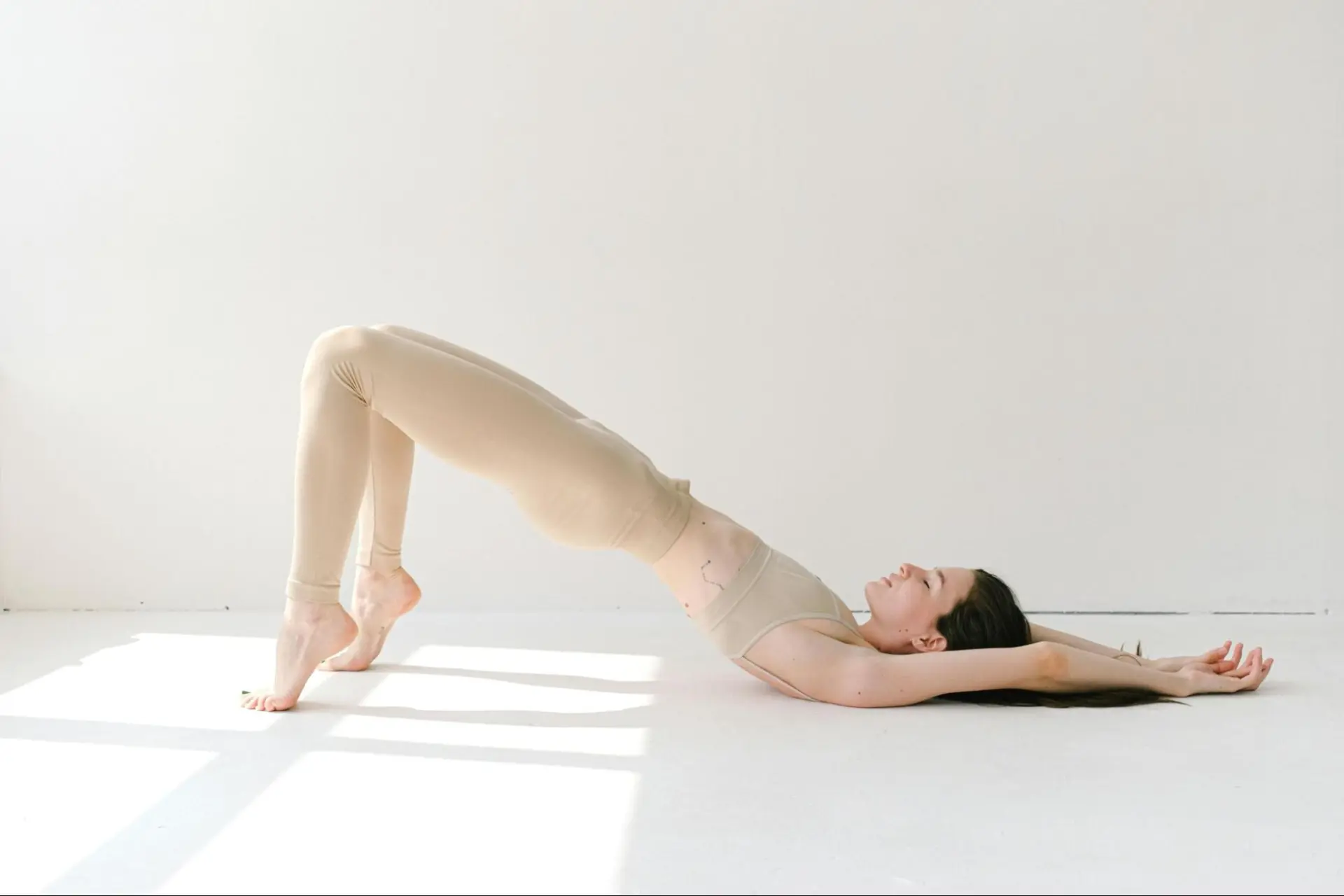
Top Yoga Poses to Stop Snoring
Tired of being the reason your partner sleeps with earplugs? Snoring disrupts not just your partner’s sleep but yours as well. Luckily, a peaceful night’s rest might be closer than you think! Yoga offers a natural, drug-free solution to reduce snoring. Unleash your inner yogi with these powerful poses:
- Cobra Pose (Bhujangasana): This invigorating pose strengthens the neck and throat muscles, keeping your airway open.
- Bow Pose (Dhanurasana): This pose opens your chest and improves lung capacity. It also strengthens the back muscles that support your airway.
- Bee Breath (Bhramari Pranayama): This calming breath technique involves humming on the exhale, which vibrates the soft palate and can help reduce snoring-related tissue vibration.
- Victory Breath Technique (Ujjayi Pranayama): This breath technique strengthens the respiratory muscles and promotes more profound, more relaxed breathing, reducing the need to fight for air during sleep.
- Alternate Nostril Breathing Technique (Nadi Shodhana Pranayama): This technique helps clear nasal passages and improve overall breathing function, which can be a significant factor in snoring.
These poses and breathing exercises, along with a consistent yoga practice, can significantly reduce snoring and pave the way for a quieter, more restful sleep for you and your partner.
The Role of Meditation and Relaxation
Never undervalue the impact a calm mind may have on encouraging sound sleep! While yoga poses address the physical aspects of snoring, you may also incorporate meditation and relaxation techniques into your routine to address the underlying tension and concern that can significantly contribute to sleep disruption and exacerbate snoring. Everyone has had the experience of falling asleep in bed with their minds racing. Prolonged exertion can lead to upper airway and throat muscle rigidity, which can worsen snoring by further limiting airflow.
Meditation, with its focus on cultivating inner peace and mindfulness, is a powerful treatment. By focusing on your breathing and letting go of your worries, meditation assists you in quitting worrying and reaching a deep state of calm. This helps your body prepare for a more restful sleep and allows the muscles in your throat to relax fully. By believing that you are exchanging your usual pre-sleep worries for the serenity experienced on meditation retreats, you can stop the snores and have a decent night’s sleep. Think of it as organizing your thoughts to create space for a restful night’s sleep.
Additionally, progressive muscle relaxation and other relaxation techniques can promote deep body relaxation and lessen the tension that contributes to snoring by concentrating on specific muscle groups. Therefore, consider including some relaxation or meditation activities into your bedtime routine the next time your mind is racing, and you’re having trouble falling asleep. You might be surprised at how much silence falls on you and your sleeping partner.
Real-Life Success Stories
Are you having trouble finding a natural cure for your snoring problem? Numerous others have found that yoga can help them sleep through the night more peacefully, so you’re not the only one. Envision a world without the constant din of the night that both you and your spouse must endure. You need look no further than yoga for snoring; it’s a holistic, drug-free method that’s helping individuals get back their peaceful nights and enhance their general well-being.
Consider Sarah, who would often wake up tired from spending the night fighting her snoring. Sarah says she can now breathe and do yoga poses. She also feels like she has more energy all day long. Her snoring has decreased much. “I can finally sleep through the night without waking myself (or my husband!) up with snoring,” she says. “Yoga has been a game-changer for my sleep quality and my overall energy levels.”
Another happy customer, David, discovered that doing yoga helped him control his stress levels, breathe better, and stop snoring. “I used to feel constantly sleep-deprived, and my snoring was affecting my relationship,” he recounts. “Since I started yoga, I feel much calmer overall, breathe easier, and sleep better. It benefits both my partner and me.”
These are just a few instances of the lives that yoga for snoring is changing. Yoga eliminates snoring by addressing its physical origins and encouraging relaxation, which leads to more energy, a better night’s sleep, and a more tranquil frame of mind.
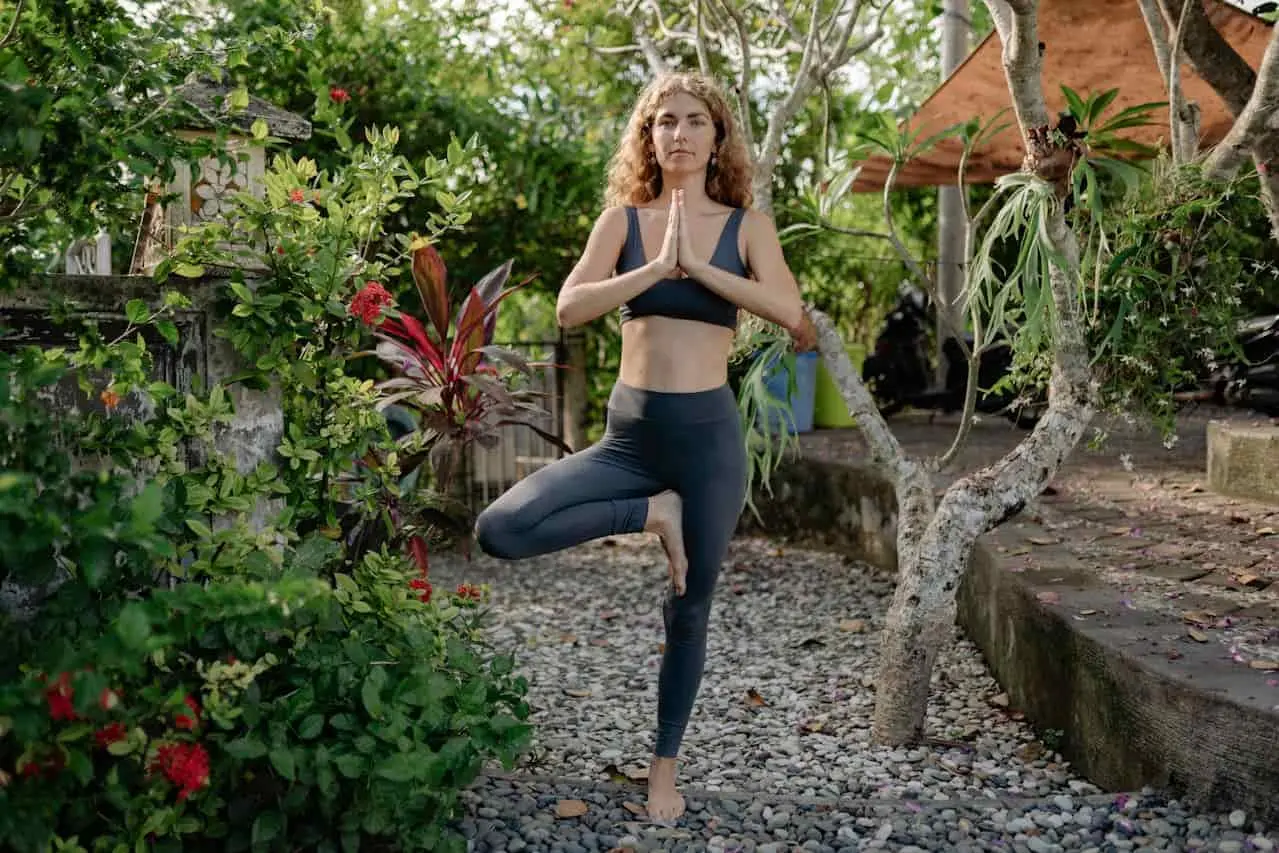
You don’t have to put up with snoring in your life (or your bedroom!). Yoga postures, breathing exercises, and meditation techniques can open up a world of benefits for you that go far beyond getting a better night’s sleep. Imagine waking up with a renewed sense of vitality and readiness to take on the day. Additionally, better sleep might enhance your general well-being, mood, and ability to concentrate.
Make that restful night’s sleep a reality rather than just a dream! Your life doesn’t have to be completely redesigned. Consider going on a yoga retreat for a sleep wellness retreat or beginning at home with a few poses and breathing techniques. Yoga’s accessibility lies in its ability to be customized to an individual’s needs and fitness level.
Why then wait? Book your ticket now to a more restful night’s sleep today—your companion and your body will appreciate it! Try out these suggested stances and practices; you’ll be astonished at how much they can improve your general health and quality of sleep.