Why do certain experiences keep showing up in your life, and why does a particular calling tug at you even when you can’t explain it? The answers sit inside two of the oldest spiritual teachings on earth. Karma and dharma shape everything from quiet nudges of intuition to the biggest turning points you’ll ever face. Once you see how they work, the patterns behind your choices become unmistakably clear.
Key Takeaways
- Karma and dharma are connected but distinct. One point you toward purpose, and the other reflects the energy your actions create.
- Every thought, word, and deed leaves a karmic imprint that ripples into your experiences.
- Living in alignment with your dharma naturally generates positive results.
- You can actively learn how to find your dharma through self-reflection, meditation, and honest self-inquiry.
- It’s possible to learn how to change your karma by shifting your intentions and daily habits.
- Both Hinduism and Buddhism teach these principles, each with a slightly different emphasis.
What Is Dharma?
Dharma carries a meaning that goes deeper than any single English word can capture. At its root, the Sanskrit term comes from “dhri,” which means “to hold” or “to sustain.” Think of it as the invisible thread holding your life together when you’re living true to yourself.
On a personal level, dharma is your unique purpose. It’s the role you were born to fill and the values you’re meant to embody. A parent nurturing a child with patience is following this calling. So is a teacher lighting up a classroom with genuine curiosity. You feel this calling most powerfully when your actions and your inner truth are in sync.
In Buddhist teachings, dharma also refers to the Buddha’s wisdom and the universal truths that guide a person toward liberation. The Bhagavad Gita frames it differently, calling each person to fulfill their sacred duty with full commitment. Both traditions agree on one thing. When you honor your path, life feels less like a struggle and more like a current carrying you forward.
What Is Karma?

If dharma is the compass, karma is the ground beneath your feet. Every step you’ve taken has left a mark, and every mark shapes the terrain ahead.
This principle operates as a law of cause and effect. Kind, compassionate acts send out a wave of positive energy that returns to you in unexpected ways. Stronger relationships, new opportunities, inner peace. Harmful or dishonest behavior sends out a different wave entirely. The obstacles that follow aren’t punishment. They’re feedback.
Hindu philosophy breaks karma into three categories. Prarabdha is the portion already ripening and producing results in this lifetime. Sanchita is a storehouse of accumulated impressions from past actions. Agami refers to seeds you’re planting right now with today’s choices. This framework explains why two people facing identical circumstances can experience them so differently.
Here’s what most people miss. Karma is not fate. You’re not locked into a predetermined script. The very fact that you can choose a new action means you hold the power to redirect your life at any moment.
How Karma and Dharma Work Together
These two forces exist in a constant conversation. Dharma tells you what to do. Karma shows you the consequences of having done it, or having ignored it.
Picture someone drawn to healing work who spends years in a career that drains them. Their purpose keeps whispering. The dissatisfaction they feel? That’s karmic feedback, signaling misalignment. The moment they honor that inner calling and begin serving others through their gifts, positive energy starts building like compound interest.
Living your dharma doesn’t guarantee an easy ride. It does guarantee that your actions carry a different weight. Selfless, purpose-driven choices create what the ancient texts call nishkam karma, action performed without attachment to reward. The Bhagavad Gita holds this up as the highest form of right living.
| Category | Dharma | Karma |
|---|---|---|
| Meaning | Your life’s purpose and moral duty | The law of cause and effect |
| Direction | Guides your actions toward alignment | Reflects the results of past actions |
| Nature | Rooted in your true self | Continuously accumulating and evolving |
| Source | Inner calling and spiritual responsibility | Every thought, word, and action |
| Goal | Alignment with truth and authentic living | Creating positive outcomes through conscious choices |
How to Find Your Dharma
Discovering your dharma sounds mystical, but the entry points are surprisingly practical. Start by paying attention to what energizes you when nobody’s watching. The activities that make time disappear and leave you feeling more alive are breadcrumbs leading toward your purpose.
Ask yourself a few direct questions. What breaks your heart about the world? What skills come so naturally that you forget not everyone has them? Where do your talents and the needs of others overlap? Your true calling lives at that intersection.
Meditation helps quiet the noise so you can actually hear the answers. Sitting in silence for even ten minutes a day sharpens your inner awareness enough to recognize when you’re on track and when you’ve drifted. A soul mission practice takes this further, guiding you into deep inquiry about your life’s spiritual direction.
How to Change Your Karma
If your past choices have created patterns you want to break, you already hold the tool that matters most. Intention. Karmic impressions respond to conscious, deliberate action.
Start with forgiveness. Holding grudges anchors negative energy in place. Releasing resentment toward yourself and toward others loosens those old patterns and opens space for something new. The power of forgiveness as a spiritual practice runs deep in both Hindu and Buddhist traditions.
Next, examine your daily choices through the lens of karma. Are you acting from ego or from genuine care? Are your words honest? Do your habits reinforce cycles you’d love to leave behind? Small, consistent shifts in behavior create enormous momentum over time.
Mindfulness meditation is one of the most effective ways to interrupt unconscious patterns. When you notice a reactive impulse before acting on it, you’ve broken a link in the chain. That single moment of awareness can redirect years of accumulated tendency.
The Buddhist and Hindu Roots of These Teachings
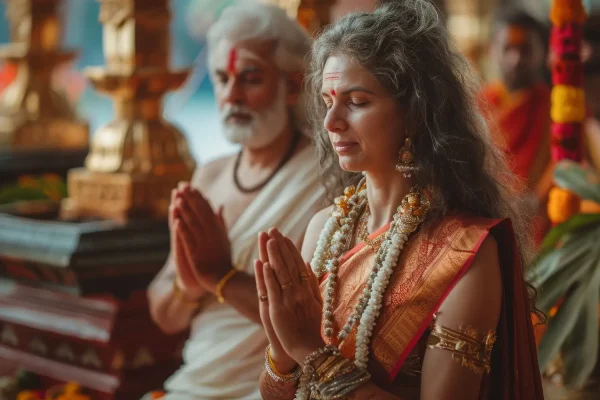
Karma and dharma appear in both Hinduism and Buddhism, but each tradition gives them a different flavor. In Hinduism, dharma includes caste duties, social responsibilities, and devotion to God. Karma is viewed as a cosmic accounting system overseen by divine will. Good actions earn merit. Harmful ones create debt.
Buddhism treats this law of cause and effect with less emphasis on divine judgment and more focus on personal responsibility. The Buddha taught that karma is shaped by intention above all else. An action performed with a compassionate heart generates a different result than the same action performed out of selfish ambition. Buddhist teaching centers on the Eightfold Path and the Four Noble Truths as guides for awakened living.
Both frameworks agree that your present moment holds extraordinary power. You’re never simply a victim of past actions. Every breath is a new opportunity to align with your purpose and consciously create the life you’re meant to live.
Where Stillness Meets Purpose
The Blue Ridge Mountains of North Carolina hold a particular kind of quiet that makes inner listening easier. At Wheel of Bliss, a 63-acre sanctuary surrounded by National Forest, karma and dharma stop being abstract ideas the moment you sit in the Celestial Center yurt among streams and ridgelines. Even a single day retreat here can shift something that months of reading never could. Your dharma is already calling, and the only question is how deeply you’re willing to listen.
FAQ
Can you have good and bad karma at the same time?
Absolutely. Your accumulated karma contains impressions from countless past actions, some positive and some negative. Hindu philosophy describes sanchita as a vast storehouse holding all of these impressions simultaneously. That's why someone might experience both blessings and challenges at the same time.
How do I know if I'm living my dharma?
A strong sense of alignment, energy, and purpose signals that you're on the right path. When you're living your dharma, your work and relationships feel meaningful even during difficult periods. Persistent emptiness or restlessness can indicate misalignment. Regular self-reflection and meditation help you tune into these signals.
Does karma carry over from past lives?
Both Hindu and Buddhist traditions teach that karmic impressions extend across multiple lifetimes. Prarabdha karma, the portion already ripening, shapes the conditions of your current birth. Sanchita represents the larger store from all previous lives. Your present choices add agami karma, which will influence experiences in this life and beyond.
What's the fastest way to clear negative karma?
There's no overnight solution, but consistent mindful action creates steady momentum. Practicing forgiveness, performing selfless service, and making conscious ethical choices all work to dissolve old negative patterns. In the Buddhist tradition, chanting mantras and cultivating compassion are also recognized as powerful purification practices.