Juggling food choices in a hectic schedule wears people down. Fast food sits on every corner. New diet trends pop up every month. Somewhere along the way, we forget what our bodies actually need. The Ayurvedic diet cuts through that noise with a 5,000-year-old system from India that matches food to your body type, known as your dosha.
This isn’t about restriction or calorie counting. Ayurveda treats food as medicine. Eat the right things for your constitution and your digestion improves, your energy stabilizes, and your sleep gets deeper. The wrong foods create buildup in your system that Ayurveda calls Ama, a sticky residue that fogs your thinking and drains vitality.
Key Takeaways
- The Ayurvedic diet customizes what, when, and how you eat based on your dosha (Vata, Pitta, or Kapha)
- Agni, your digestive fire, determines how well you absorb nutrients, and weak Agni means toxin buildup
- A 7-day Ayurvedic meal plan gives beginners a structured entry point without overwhelming changes
- Six tastes (sweet, sour, salty, pungent, bitter, astringent) should appear in meals for complete nourishment
- Ayurveda includes dairy but adapts easily for vegans who swap ghee for coconut oil and milk for plant alternatives
The Three Doshas Explained
Every person carries all three doshas, but one or two run dominant. Think of them as metabolic personalities, each with specific strengths, weaknesses, and food requirements.
Pitta, The Fire Type
Medium build. Sharp intellect. Gets things done. Pitta people run warm, digest food quickly, and have strong appetites. When that internal fire burns too hot, acid reflux, skin rashes, and irritability appear. Spicy food, alcohol, and skipped meals make everything worse.
Pitta needs cooling foods like cucumbers, melons, coconut, cilantro, and mint. Choose basmati rice over brown rice. Pick sweet fruits instead of sour ones. Ghee calms Pitta better than other oils because it cools the digestive tract without creating heaviness.
Vata, The Air Type
Thin frame. Quick mind. Creative and enthusiastic. Vata people move fast, both physically and mentally. When Vata goes off-kilter, anxiety creeps in alongside constipation, bloating, and scattered thoughts. Cold weather, raw foods, and irregular schedules destabilize Vata types.
Vata needs warm, grounding, moist foods. Cooked vegetables beat raw salads every time. Oatmeal with ghee, soups, stews, and root vegetables all help. Regular meal times matter enormously for Vata because eating at random throws the entire system off.
Kapha, The Earth Type
Solid build. Calm demeanor. Steady and loyal. Kapha people have excellent endurance and rarely get sick. Excess Kapha manifests as weight gain, sluggishness, and water retention. Heavy foods, oversleeping, and lack of movement compound the problem.
Kapha needs light, warming, stimulating foods. Bitter greens like kale and arugula cut through heaviness. Spicy dishes with ginger, cayenne, and black pepper fire up sluggish metabolism. Barley and millet work better than wheat. Keep oils and dairy minimal.
Quick Dosha Comparison
| Characteristic | Vata (Air + Space) | Pitta (Fire + Water) | Kapha (Earth + Water) |
| Body frame | Thin, light | Medium, athletic | Solid, sturdy |
| Digestion | Irregular, gas-prone | Strong, prone to acid | Slow, heavy |
| Energy pattern | Bursts then crashes | Intense and focused | Steady, slow to start |
| When imbalanced | Anxiety, constipation, insomnia | Irritability, inflammation, heartburn | Weight gain, congestion, lethargy |
| Needs foods that are | Warm, moist, grounding | Cool, dry, calming | Light, warm, stimulating |
What Is Agni in Ayurveda?
Agni means digestive fire. It’s the engine that breaks down food, extracts nutrients, and eliminates waste. Strong Agni equals efficient metabolism. Weak Agni leaves undigested material that ferments into Ama, that toxic sludge Ayurveda blames for fatigue, brain fog, and disease.
Sama Agni represents the balanced state, digesting meals completely without gas or heaviness. Vishama Agni fluctuates between strong and weak, common in Vata types. Tikshna Agni burns too hot and fast, typical for Pitta. Manda Agni runs slow and heavy in Kapha territory.
You can strengthen your Agni through simple daily practices.
- Sip warm water or ginger tea about 20 minutes before meals
- Eat your biggest meal between 10am and 2pm when digestive capacity peaks
- Skip ice water with food because it douses the digestive fire
- Add cumin, fennel, and fresh ginger to your cooking
- Stop eating before you feel completely full
- Avoid snacking between meals to let digestion complete fully
7-Day Ayurvedic Meal Plan
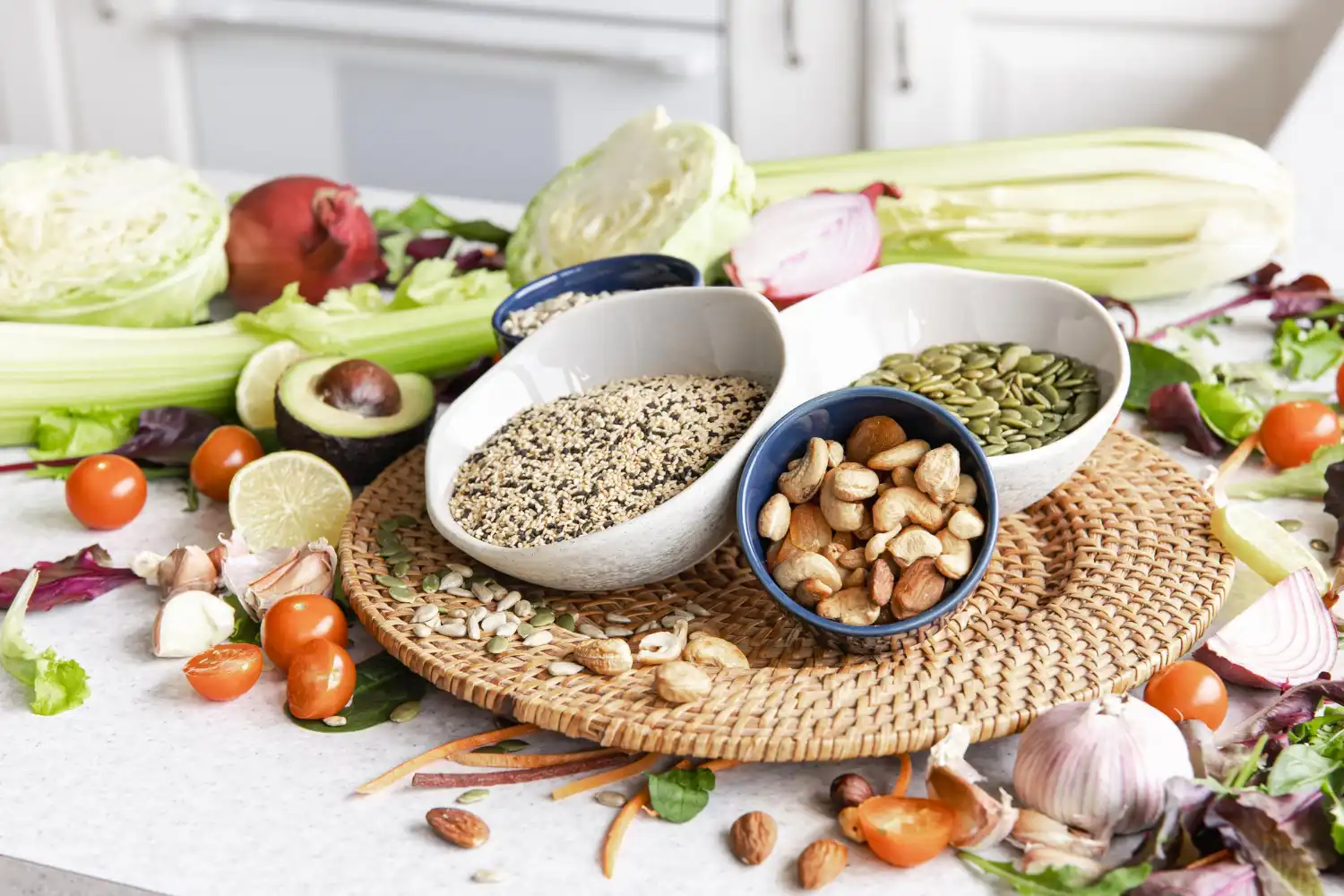
This 7-day Ayurvedic meal plan introduces dosha-friendly eating without requiring a kitchen overhaul. Adjust portions and spice levels based on your dominant dosha.
Day 1 – Start your morning with warm oatmeal topped with stewed apples, cinnamon, and a teaspoon of ghee. For midday, prepare mung dal soup with basmati rice and sautéed zucchini. End with a vegetable stir-fry featuring carrots, green beans, and bok choy seasoned with ginger and turmeric over quinoa.
Day 2 – Morning brings rice porridge with cardamom and soaked raisins. Midday calls for butternut squash soup with cumin and a side of chapati. Evening features steamed broccoli and cauliflower with tahini-lemon dressing.
Day 3 – Begin with warm millet, dates, nutmeg, and almond milk. Lunch centers on red lentil stew with spinach served over brown rice. Dinner offers a baked sweet potato with olive oil and fresh herbs.
Day 4 – Start with herbal tea alongside whole grain toast and mashed avocado. The midday meal features a chickpea and quinoa bowl with roasted vegetables and lime. Dinner brings kitchari, the classic Ayurvedic dish of rice and mung dal cooked with turmeric and cumin.
Day 5 – Morning offers spiced almond milk with soaked almonds. Lunch features stuffed bell peppers filled with quinoa, tomatoes, and fresh basil. A light vegetable soup with fennel and carrots closes the day.
Day 6 – Begin with barley porridge, pears, and a pinch of clove. Midday brings vegetable curry with potato, peas, and cauliflower served alongside basmati rice. Evening offers baked zucchini boats with spiced lentil filling.
Day 7 – Start with chai tea and a small portion of warm rice pudding. The midday meal features sautéed asparagus and fennel with millet. Close the week with mung bean and vegetable soup brightened with lemon.
This 7-day Ayurvedic meal plan works as a template you can modify based on seasonal availability. For nervous system support during dietary transitions, natural herbs for nerve regeneration pair well with Ayurvedic eating.
What Foods Balance Pitta Dosha?
Foods that balance Pitta dosha include sweet fruits like ripe mangoes, melons, grapes, and pears. Cooling vegetables such as cucumber, celery, leafy greens, and zucchini calm internal heat. Grains like basmati rice, oats, and barley ground Pitta energy effectively. Mung beans, chickpeas, and tofu provide protein without aggravation. Cooling spices like coriander, fennel, cardamom, and cilantro work beautifully.
Limit hot peppers, cayenne, raw garlic, sour fruits, vinegar, excess salt, alcohol, and coffee. Pitta types do best eating at regular intervals since skipping meals causes acidity and irritability.
What Foods Balance Vata Dosha?
Foods that balance Vata dosha include sweet, grounding fruits like bananas, avocados, mangoes, peaches, and stewed apples. Cooked vegetables work best, especially root vegetables like sweet potatoes, carrots, beets, and squash that provide earthy stability. Grains like oats, basmati rice, and wheat calm Vata’s restless energy. Mung beans, tofu, and red lentils offer protein that digests easily. Warming spices like ginger, cinnamon, cumin, and cardamom support digestion without aggravating the nervous system.
Limit raw vegetables, dried fruits, cold cereals, crackers, and anything frozen or leftover. Beans like black beans and chickpeas can cause gas for Vata types. Caffeine and carbonated drinks scatter Vata energy further. Vata thrives on eating warm, freshly cooked meals at the same times each day. Adding ghee or sesame oil to dishes provides the moisture and grounding that this airy constitution desperately needs.
What to Eat for Kapha Imbalance?
Kapha imbalances respond well to astringent fruits like apples, pears, pomegranates, and berries. Pungent and bitter vegetables stimulate sluggish digestion, so load up on leafy greens, broccoli, cabbage, radishes, and peppers. Light grains like barley, millet, and buckwheat prevent heaviness. Warming spices become Kapha’s best friend for weight management, including ginger, black pepper, turmeric, and cayenne.
Limit dairy, cheese, ice cream, nuts, fried foods, and sweets. Kapha thrives on eating the main meal at midday and keeping dinner light. Morning exercise before breakfast kickstarts sluggish metabolism better than any supplement.
Is Ayurveda Vegan?
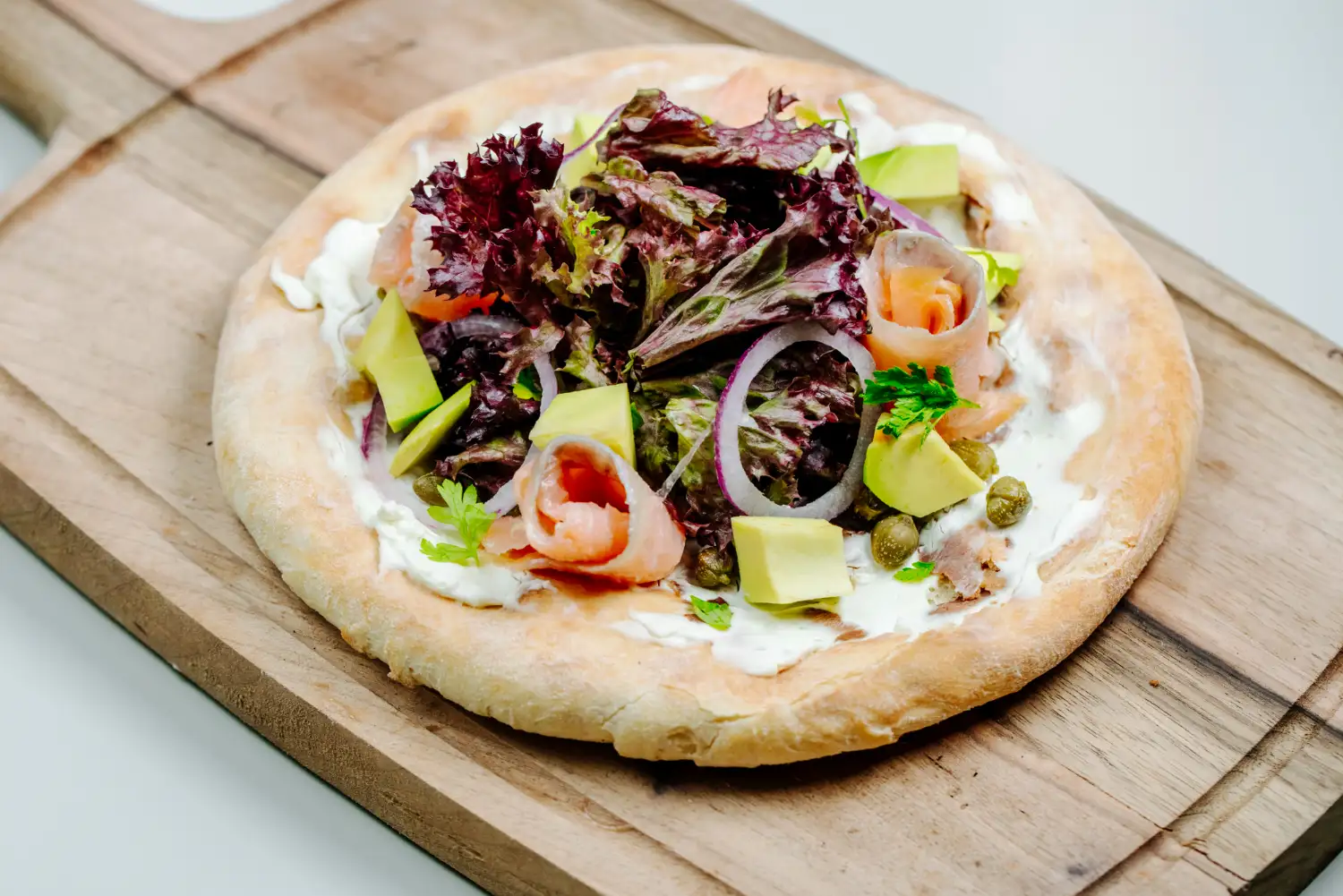
Is Ayurveda vegan? Not traditionally. Classical texts prescribe milk, ghee, and honey for therapeutic purposes. That said, Ayurveda adapts well to modern dietary preferences since eating according to your constitution doesn’t require animal products.
Replace ghee with coconut oil for Vata and Pitta types or sesame oil for Kapha types. Swap dairy milk for oat milk (Vata), almond milk (Pitta), or rice milk (Kapha). What Ayurveda cares about most is eating sattvic food that’s pure, life-giving, and prepared with care. The hormone-balancing foods guide covers additional plant-based options that align with Ayurvedic eating.
Final Thoughts
The Ayurvedic diet offers personalization based on your actual body, not statistical averages. Someone with strong digestive fire tolerates foods that would wreck someone with sluggish metabolism. Ayurveda accounts for that difference in ways that calorie counting never can.
Start with one change. Maybe drink warm water instead of cold. Or eat your biggest meal at midday. Or add cumin and ginger to your cooking. Small shifts compound over weeks and months into real, noticeable changes. The 7-day Ayurvedic meal plan in this article gives you structure to experiment with. Pay attention to how you feel after meals. Your body already knows what it needs.
Wheel of Bliss sits on 63 acres in North Carolina’s Blue Ridge Mountains, surrounded by National Forest. Our retreat center hosts meditation programs, wellness workshops, and silent retreats in spaces designed for deep restoration.
FAQ
What is Agni in Ayurveda?
Agni refers to digestive fire, the metabolic force that converts food into energy and tissue. When it burns strong and steady, nutrients absorb fully and waste eliminates efficiently. Irregular eating times, cold foods, and stress all weaken Agni.
What is an Ayurvedic diet?
An Ayurvedic diet matches food choices to your individual constitution rather than following generic nutrition rules. Meals incorporate six tastes, favor cooked over raw foods, and use spices therapeutically.
What is the difference between Vata Pitta Kapha?
Vata combines air and space elements, running cold, dry, and mobile. Pitta combines fire and water, running hot and sharp. Kapha combines earth and water, running cool, heavy, and stable. Diet recommendations differ dramatically between the three types.
Is Ayurveda vegan?
Traditional Ayurveda incorporates dairy and honey as medicinal foods. Modern practitioners recognize that veganism works within Ayurvedic frameworks since the core principles don't require animal products. Plant-based eaters swap ghee for coconut oil and dairy milk for dosha-appropriate alternatives.